Preferred identity
Use bride, groom, partner, name, or another label chosen by the people involved; never infer gender or ceremonial role.
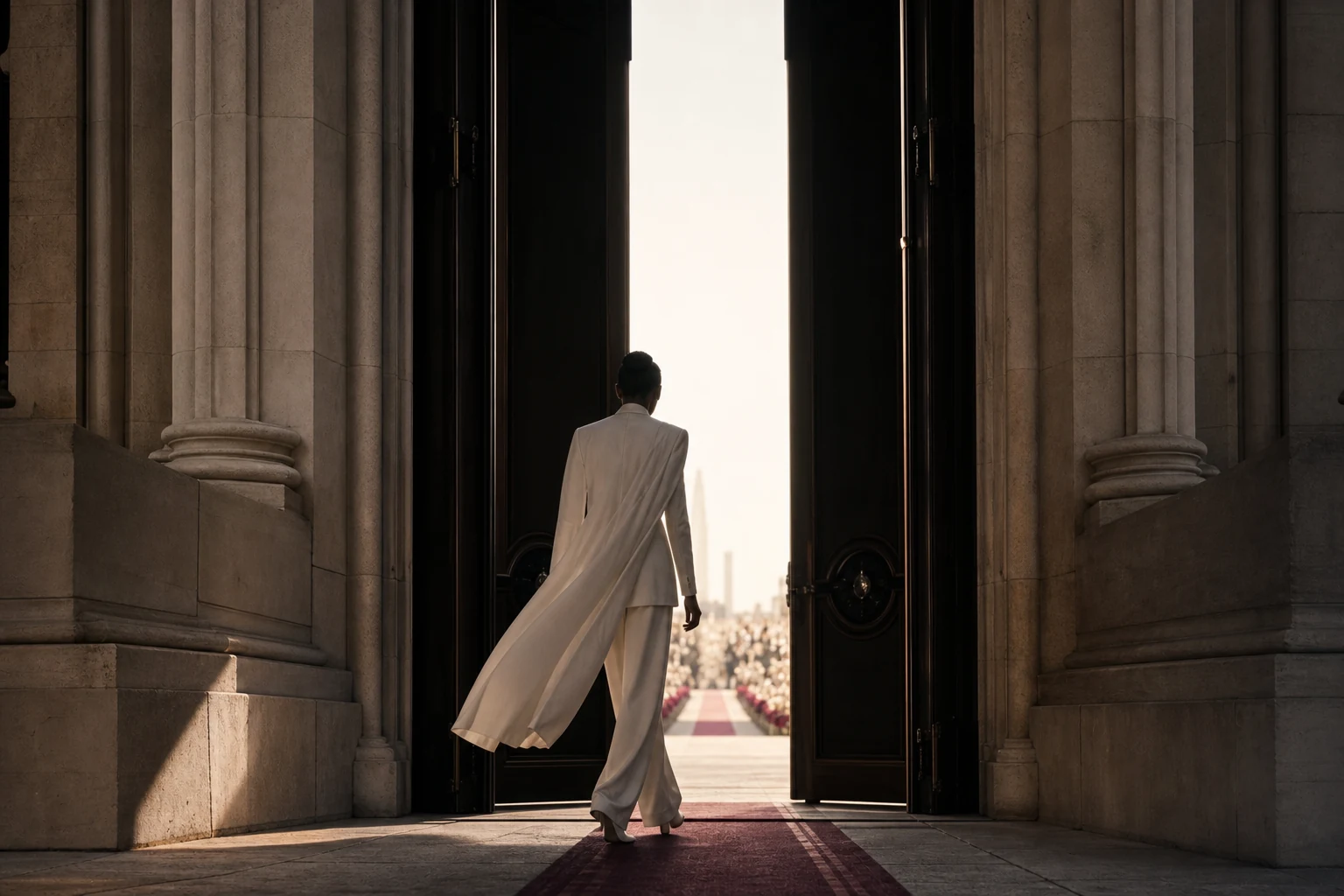
One entrance, one person-to-partner message
Shape a bride, groom, or partner entrance around the exact person entering, the message waiting at the front, and the seconds between the door cue and arrival.
Start the song
Replace each blank with real names, moments, and details—the more specific you are, the less generic the song. Everything stays editable in the studio before anything is generated.
What you are making
A general ceremony processional organizes groups, variable pace, and the whole route. A personalized bride entrance song, groom entrance song, or partner entrance song has a narrower emotional job: one person appears, their partner recognizes what the music is saying, and the message lands without making the person hurry through the aisle. Identity, point of view, and first sight matter as much as duration.
Creatune begins with the label the couple actually uses—bride, groom, partner, spouse-to-be, a name, or another term. The Agent separates what can be sung before the doors, what belongs under the walk, and what should arrive after the person reaches the front. That protects both the visual reveal and the sentence the entering partner wants the other person to understand.
Person → partner → room
The lyric can feel intimate while remaining appropriate for public ceremony playback.
Choose one message that can be understood at two levels. Guests may hear a line about the blue umbrella from the first date; the waiting partner knows why that object means safety. A short image is usually stronger than a compressed relationship biography. It gives the room enough context while preserving the deeper recognition for the couple.
Decide who speaks. The entrance can sound like the person walking toward their partner, the partner welcoming them, or a shared narrator observing the threshold. Do not switch voices accidentally. If one partner is creating the surprise for the other, confirm that the point of view does not put unapproved words into the entering person's mouth. Names are optional and should be used only where pronunciation and public comfort are clear.
Use bride, groom, partner, name, or another label chosen by the people involved; never infer gender or ceremonial role.
Select one object, place, phrase, or action that the partner will understand without exposing protected history.
Let guests grasp the emotional direction without requiring an explanation of every reference.
Keep the narrator clear so the song does not claim feelings or promises for the wrong person.
Doors → first sight → front
Measure from the audio operator's cue, not only from the first visible step. Include an announcement, closed-door introduction, door movement, pause, turn, stairs, photographers, aisle pace, and the final settling position. Mark the first-sight moment separately from arrival. A 45-second walk may require more than a minute of usable structure once the reveal and settling time are included.
A reliable entrance has an audible start marker, a pre-door phrase or instrumental cue, spacious walking material, and an arrival cadence that can hold. Place the most important partner-facing line where the entering person and waiting partner can actually register it—often just before the doors, at first sight, or after arrival. Dense lyrics during the aisle compete with movement, room acoustics, and emotion. Build a safe instrumental extension for a slower walk.
A recognizable opening and enough margin for the cue owner and doors to work without exposing the message too soon.
A harmonic or lyrical reveal aligned with the moment both partners can see each other.
Instrumental or low-density vocal material that tolerates pace changes and keeps attention on the person.
A clear musical landing, then sustain, cadence, or handoff while the ceremony continues.
Identity in the arrangement
A family or cultural element may belong in the instrumentation, rhythm, language, processional order, or opening gesture. Ask what it means, who may perform or approve it, and whether recorded use is appropriate in the venue. Avoid dropping a generic instrument into the arrangement because it sounds ‘traditional.’ When live musicians participate, plan a separate arrangement and rehearsal rather than assuming a generated master can act as sheet music.
Piano and strings offer a clear door cue and controllable rise. Modern cinematic pop can support a bold reveal with restrained lyrics. A close soul vocal can carry a private sentence before opening into instrumental space. Translate any artist reference into tempo, harmony, vocal grain, percussion, and dynamic shape. Test the track in the actual corridor, garden, hall, or place of worship because reverberation changes lyric intelligibility.
Precise opening, elegant rise, flexible sustain, and enough acoustic clarity for a measured entrance.
Low pulse, architectural build, controlled impact at first sight, and instrumental width for the aisle.
One close partner-facing phrase, warm harmony, steady pulse, and a spacious arrival.
Meaning, permission, performer, language, and venue fit confirmed before a cultural element enters the track.
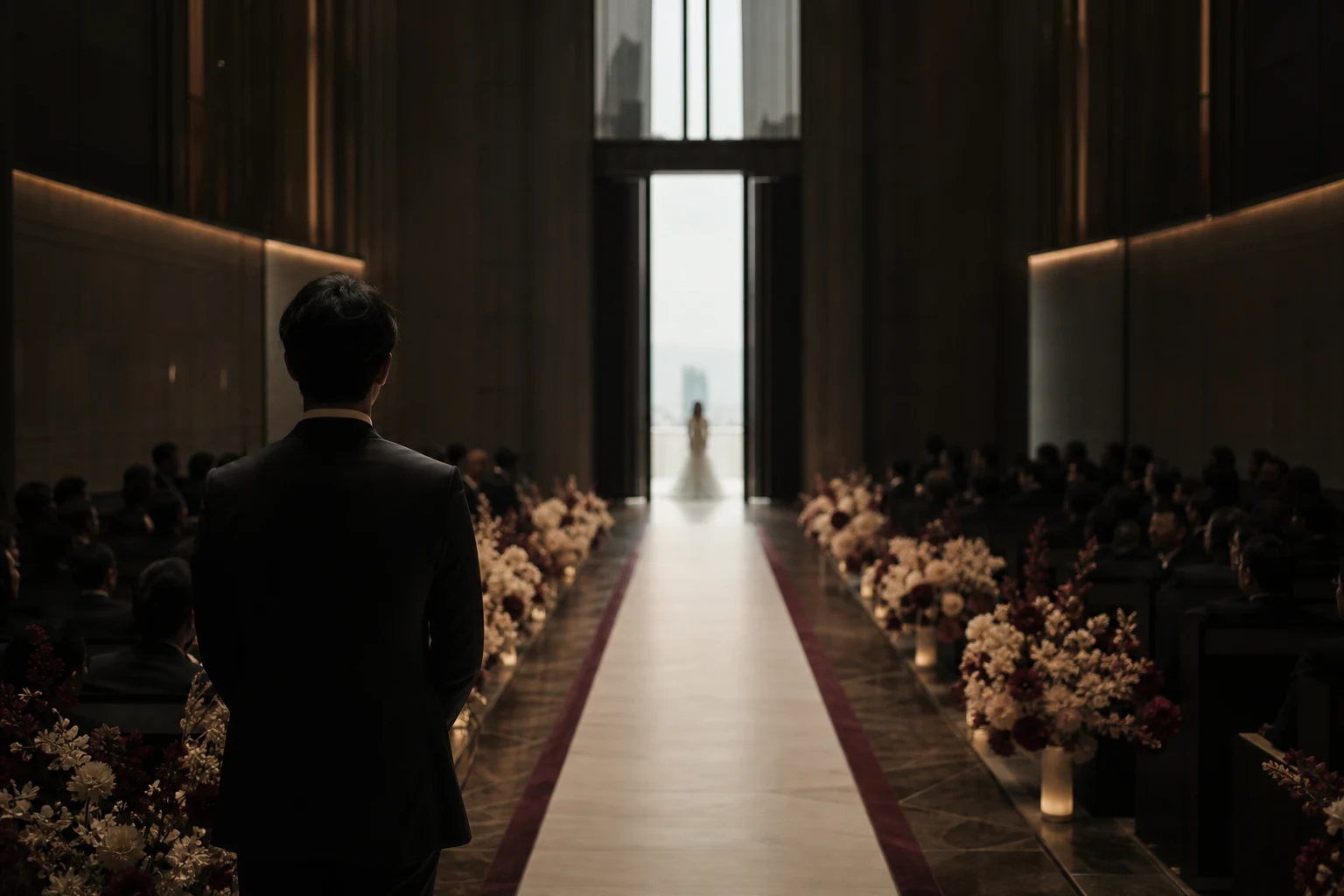
A cue sheet for one reveal
Label the final file with the person's chosen name and version, then write the exact operator cue, door-open time, first-sight marker, hold zone, expected arrival, and what to do if the walk is early or late. One person calls the cue and one person runs playback. Remove rejected drafts from the handoff folder. If the partner-facing line is a surprise, share only what each vendor needs.
Rehearse the route with doors, approximate attire, shoes, final file, and real speakers. Check volume from the entrance and front, not only beside the system. Keep identical offline copies with the coordinator and a trusted backup. On the day, the plan should survive a slow door, a paused child, a photographer in the path, or ten additional seconds without cutting the emotional line in half.
One named person watches the room and calls the start; another operates audio without guessing.
Vendors receive the final file and timing notes, not the complete relationship brief or unused private lyrics.
A rehearsed hold or sustain absorbs delay without looping a name or critical sentence.
The entrance does not depend on venue Wi-Fi, a login, or a single phone battery.
Story examples
These are transparent story examples, not fake audio demos. They show how real details become a creative direction and a singable lyrical moment.

Story Example
Morgan enters through side doors on a 52-second indoor route. Their partner Riley should recognize the blue umbrella from their first date. Use both names only after the doors open, keep family health history private, and land on arrival around 1:08 with a 16-second hold available.
Direction: Restrained soul with electric piano, warm bass, brushed drums, and one close vocal phrase before a spacious aisle. A harmony opens at first sight; the arrival chord can sustain without repeating the lyric.
Story Example
A groom walks with both parents through a long hotel hall. His message to his fiancé is that choosing calm together changed his idea of courage. The doors open at 18 seconds, first sight is near 34 seconds, and the route may vary by twelve seconds. Avoid ownership language and military metaphors.
Direction: Modern cinematic pop with low piano, subtle pulse, strings widening at first sight, and an instrumental middle. Put the courage line after arrival when both partners are stationary.
Story Example
Noah and Avery enter from opposite doors and meet in the center before walking forward together. Each route is 28 seconds. Their shared detail is leaving porch lights on during late work shifts. Use no bride or groom labels, leave the center meeting instrumental, and place both names only at the final cadence.
Direction: Interlocking piano phrases and chamber strings with mirrored openings, a wordless center meeting, and one shared vocal line at arrival. Keep the tempo walkable and the symmetry audible without becoming theatrical.
Keep exploring
Your story, composed for the room
Doors open, aisle unfolds, music arrives with the person
A love story designed for bodies moving in a real room
Questions before you create
It is an original entrance track built around one bride, groom, or partner, the message intended for the person waiting, and the physical timing of doors, first sight, aisle, and arrival. Unlike a general processional, it prioritizes person-to-partner point of view while protecting instrumental walking space.
A ceremony entrance song manages the whole procession, including several groups, variable walking times, holds, and transitions. This page focuses on one partner's identity, their chosen labels, the emotional reveal to the other partner, and where a concise personal message can land without interrupting the walk.
Only when the person likes public name use and the pronunciation is confirmed. A name can appear before the door, at first sight, or after arrival, but it should not repeat during a variable hold. Many entrance songs feel more personal through a shared object or phrase than through name density.
Time from the operator cue to the person's final position, including announcement, doors, pauses, turns, photographers, and settling. Add a flexible instrumental hold rather than cutting to the exact rehearsal second. The useful duration is the longest realistic entrance plus a clear arrival cadence and transition.
Yes, when its meaning, permission, language, performer, and venue fit are understood. Describe the musical function instead of adding a stereotyped sound. If live musicians are involved, create a separate arrangement and rehearsal plan; a generated audio master is not automatically a playable score.
Your turn
Bring the chosen labels, partner-facing message, measured walk, first-sight cue, and privacy boundary. The Agent will shape the entrance around the real reveal.
Create a partner entrance song