A repeated gesture
The phone call, packed lunch, note, ride, light, or question that quietly meant ‘I am here.’
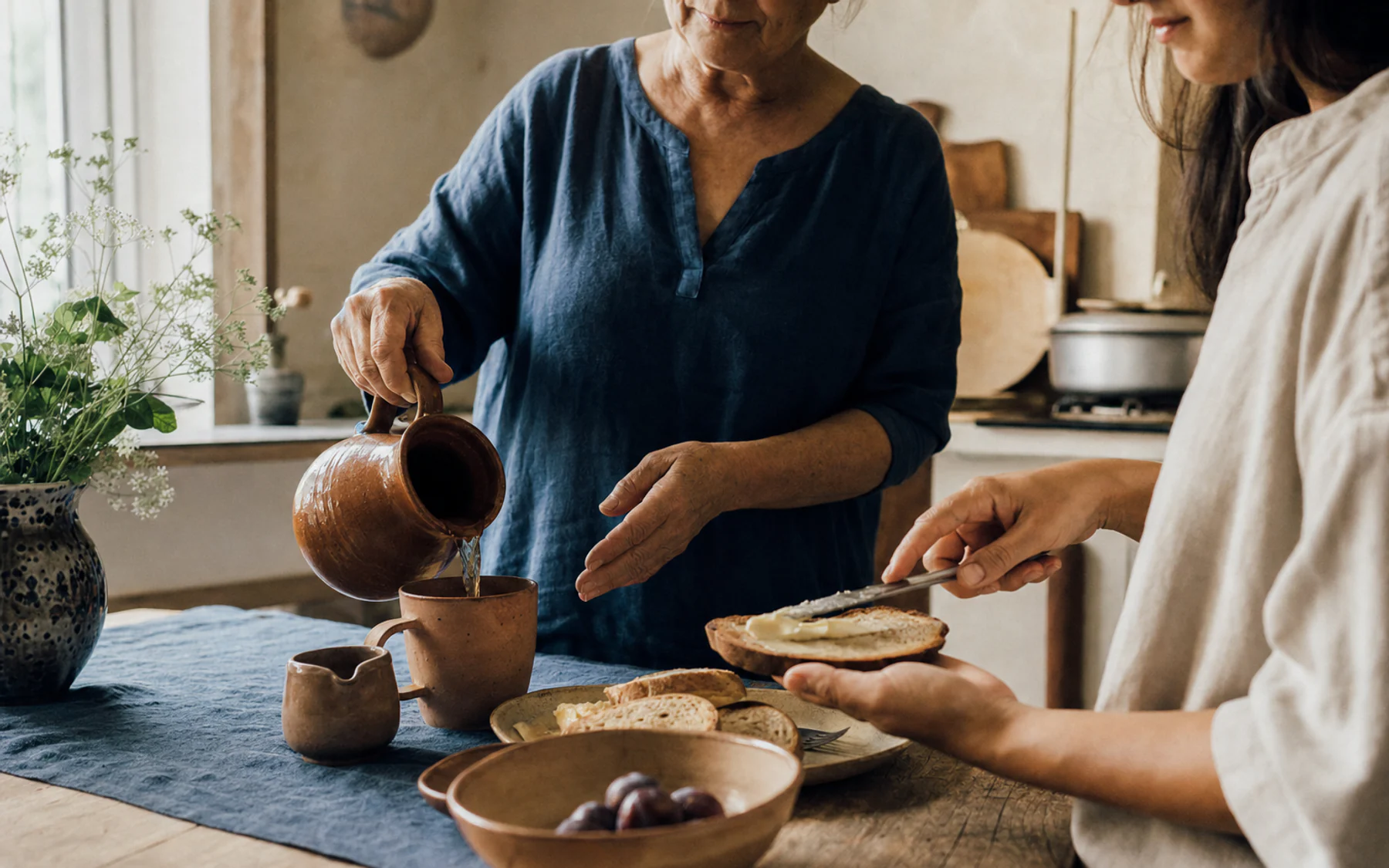
A thank-you made from real details
Start with the morning ritual, the phone call, the recipe, the ride home, or the sacrifice you only understood after growing up. Build a song that thanks the person—not an abstract idea of motherhood.
Start the song
Replace each blank with real names, moments, and details—the more specific you are, the less generic the song. Everything stays editable in the studio before anything is generated.
What you are making
‘Thank you for everything’ is sincere, but it is too broad to create recognition. A line about the coffee already waiting, the call asking whether you ate, the coat placed over a sleeping child, or the light left on until someone came home gives gratitude a body and a place.
The Creatune prompt helps you collect those gestures without turning the song into a biography. Choose a few memories, decide who is speaking, name what you only understood later, and shape a message that sounds like your family rather than a greeting card.
Everyday evidence
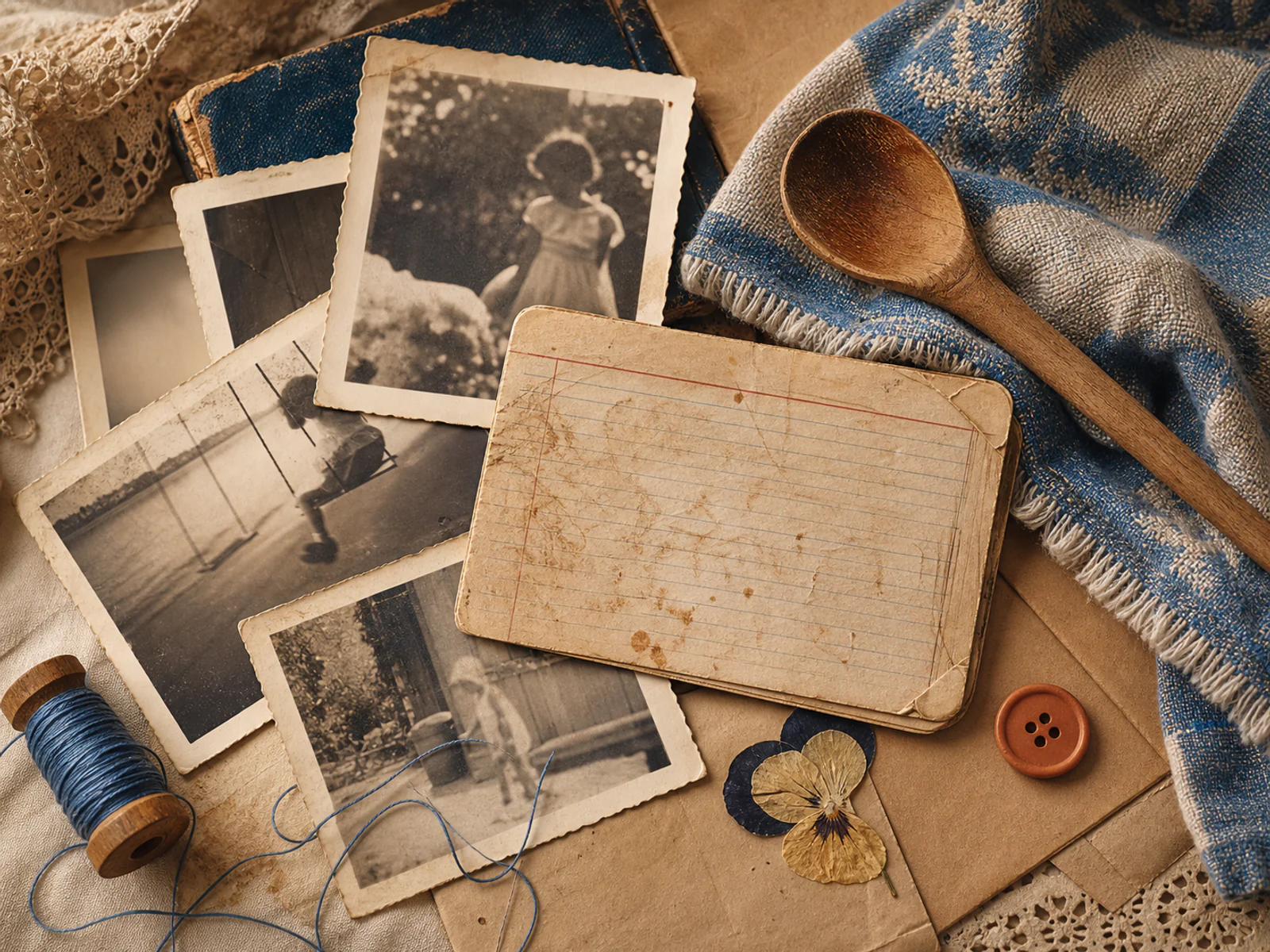
Begin with action. What did she pack, repair, cook, remember, repeat, save, carry, or wait for? Which room, smell, fabric, song, or time of day brings her presence back immediately? These details let the lyric show care before the chorus names it.
Do not force sacrifice into every mother story. Some songs should celebrate humor, adventure, stubbornness, work, creativity, friendship, or the way she made a family from people who needed one. Write the person you know.
The phone call, packed lunch, note, ride, light, or question that quietly meant ‘I am here.’
A kitchen, garden, bus stop, front step, hospital corridor, or holiday table with sensory detail.
Her laugh, nickname, advice, mispronunciation, favorite saying, or way of calling everyone home.
The choice, labor, patience, or courage you could not recognize as a child.
Point of view
An adult child can move between childhood memory and present-day understanding. Young children need simpler images and language at their emotional altitude. Siblings can create a collective chorus while giving each verse a different memory. A wedding thank-you can connect childhood care with the moment of leaving for a new family chapter.
For a remembrance song, decide whether the track speaks directly to Mom, tells the family story, or holds a memory for future generations. Keep the tone honest; grief does not need ornate language to be profound.
What I remember, what I misunderstood, and what I can finally thank you for now.
Concrete routines, safety, play, familiar words, and a melody simple enough to share.
Different memories in the verses, one family message in the chorus, and careful use of ‘we.’
Childhood gestures, family transition, and gratitude before beginning a new household.
Presence through objects, sayings, recipes, places, and the ways her care continues through others.
Musical character
A piano ballad can place every word in the foreground, but it is not the only respectful choice. If Mom fills rooms with laughter, choose bright acoustic pop or warm soul. If she loves dancing, build movement into the rhythm. If the family communicates through teasing, let gentle humor open the song before gratitude arrives.
Describe the arrangement through feeling and materials: close piano, nylon guitar, brushed drums, gospel warmth, folk strings, sunny pop, or a restrained cinematic lift. Avoid asking for an imitation of her favorite singer; translate that reference into musical qualities instead.
Piano, breathing room, intimate vocal, and images from the home.
Acoustic rhythm, hand percussion, family energy, and a chorus that smiles while it thanks.
Expressive vocal, organ or piano warmth, and a message that grows without becoming melodramatic.
Recognizable habits, affectionate exaggeration, and a bridge that reveals the love beneath the jokes.
Give it with care
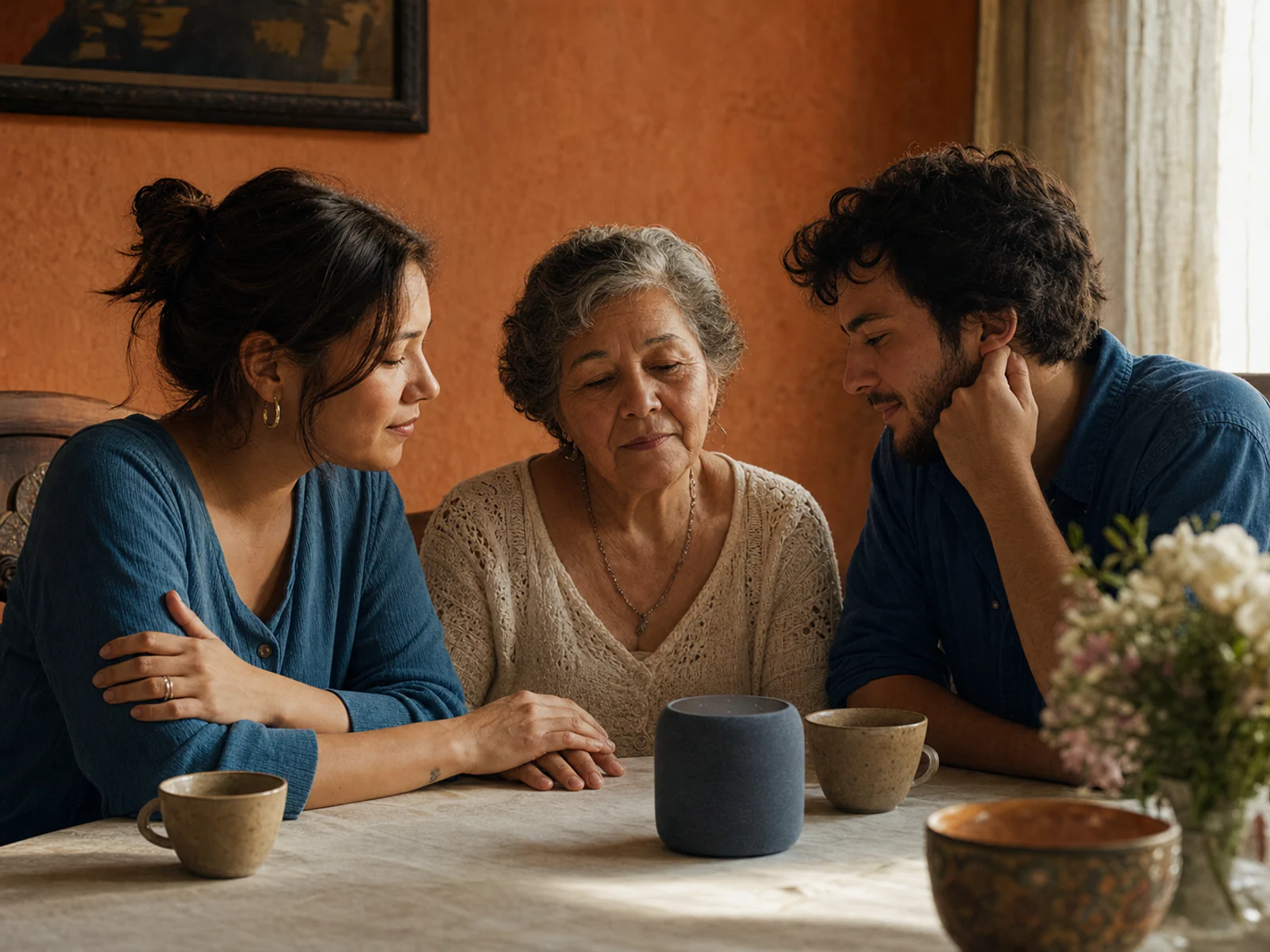
A Mother’s Day breakfast or birthday gathering can turn the song into a family moment when the references are safe for everyone. A wedding thank-you may work before the ceremony or during a parent dance. A more vulnerable message often deserves headphones, a quiet room, or a private link sent with no long explanation.
For remembrance, share the song with relatives before using it publicly. Confirm names, stories, and any detail that belongs to more than one person. Keep a downloaded copy with the photographs and written memories that inspired it.
Natural for bright gratitude and the rituals that begin a family day.
Use a collective chorus and references that invite recognition without exposing private pain.
Shape the arrangement around a parent dance, private gift, or transition before the ceremony.
Let images carry the timeline while the song focuses on a small number of emotionally precise details.
Choose this for apology, grief, difficult history, or gratitude that rarely gets spoken aloud.
Story examples
These are transparent story examples, not fake audio demos. They show how real details become a creative direction and a singable lyrical moment.
Story Example
Matteo thanks Anna for the smell of morning coffee, calling to ask whether he had eaten, waiting awake on late nights, and smiling even when tired.
Direction: Acoustic piano and guitar, male vocal, slow tempo, domestic images, no generic declarations until the chorus.
Story Example
Three siblings celebrate a mother who feeds every visitor, remembers every birthday, dances while cleaning, and has quietly become the center of a very large chosen family.
Direction: Bright soul-pop, shared vocals, rhythmic verses, humorous food details and a large final family chorus.
Story Example
A daughter remembers gardening gloves, handwritten recipes, blue fabric, and the advice her mother gave whenever life felt uncertain.
Direction: Restrained folk with nylon guitar and soft strings, no dramatic climax, lyric focused on continuing presence through ordinary objects.
Keep exploring
Creatune Personalized Songs
A birthday song that knows the person
Your story, composed for the room
Questions before you create
Use repeated gestures, family places, familiar phrases, sensory memories, and something you understood only after growing older. Concrete evidence—such as a late-night light or a particular recipe—usually feels more personal than broad praise.
Yes. Give each sibling a distinct memory or perspective in the verses, then use a shared family message in the chorus. Review the compact brief together so names, timelines, and private details feel fair to everyone involved.
Absolutely. Choose bright acoustic pop, warm soul, folk, or a gently funny direction based on her real personality. A Mother’s Day song can celebrate movement, food, jokes, travel, strength, and family energy rather than relying on a slow ballad.
Yes. Select the wedding thank-you context, add childhood memories and the transition into a new chapter, then choose a comfortable dance pace. Confirm the final length and share the exact downloaded version with the DJ before the wedding.
Yes. Decide whether the lyrics speak directly to her, tell the family story, or preserve memories for another generation. Use objects, sayings, recipes, and places that continue to carry her presence, and review the song privately with family first.
Your turn
One ordinary gesture can hold an entire family story. Write down what you remember, and build the song from there.
Create a song for Mom