First Dance
Comfortable tempo, clear opening, memorable chorus, and a story that moves naturally while the couple dances.
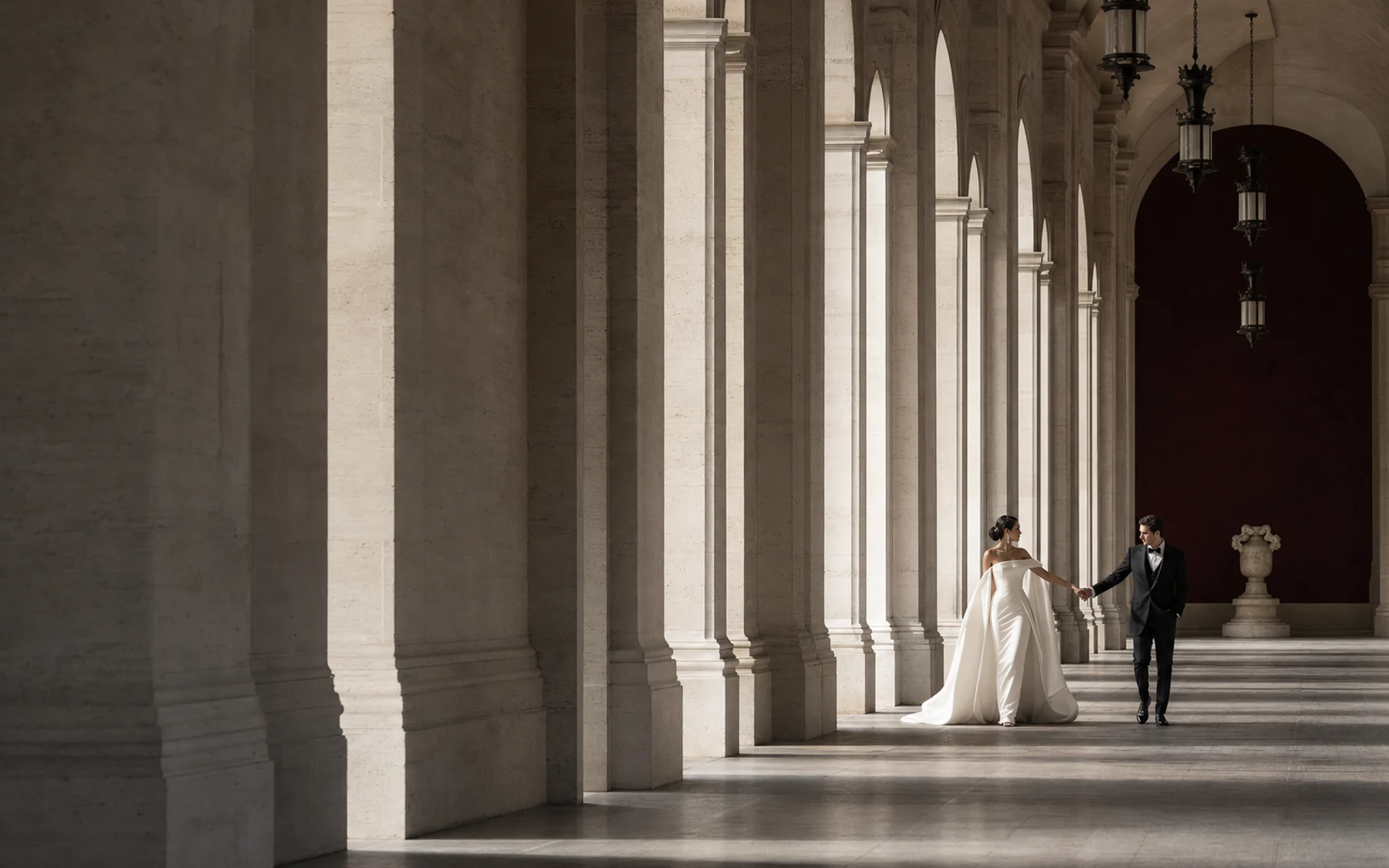
Your story, composed for the room
A first dance needs a different opening from a ceremony entrance. A parent dance needs a different point of view from a reception surprise. Start with the wedding moment, then build the music around it.
Start the song
Replace each blank with real names, moments, and details—the more specific you are, the less generic the song. Everything stays editable in the studio before anything is generated.
What you are making
The same love story cannot be arranged identically for every wedding moment. A ceremony entrance needs an immediate, reliable opening and enough instrumental space for movement. A first dance needs a comfortable pace and a chorus that can carry the room. A parent dance needs gratitude, childhood detail, and a transition into a new chapter.
Creatune starts by asking where the song belongs. The prompt then collects the right point of view, names, vows, memories, emotional arc, and practical playback notes before the lyrics and music are created.
Moment strategy
A first dance can afford detailed lyrics because the couple is the center of attention. An entrance must establish its mood quickly and should not bury the movement cue under a long narrative introduction. A reception surprise needs recognizable stories and enough energy to hold a crowded room.
Say how the track will be used. That changes the opening length, chorus placement, instrumental breathing room, energy curve, and whether private details are appropriate for guests.
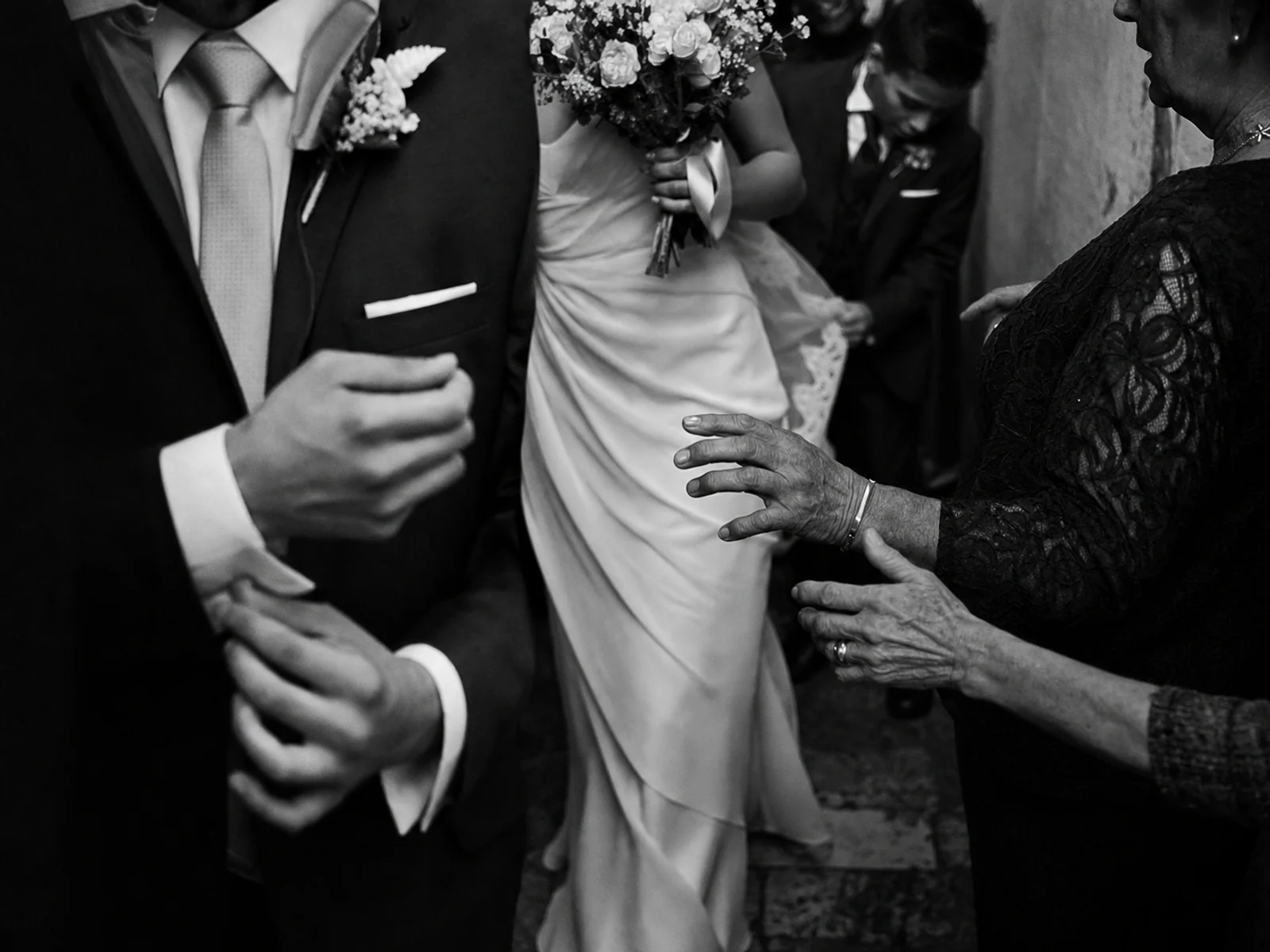
Comfortable tempo, clear opening, memorable chorus, and a story that moves naturally while the couple dances.
Immediate cue, controlled build, elegant atmosphere, and instrumental room for the walk.
Childhood details, gratitude, family language, and the emotional transition into a new chapter.
Fast recognition, shared jokes, group energy, and a hook the room can understand immediately.
Wedding Story Board
Guests may know how the couple met, but they rarely know the private turning point: the conversation that changed the relationship, the ordinary routine that made it feel like home, or the difficult year that revealed how the pair works as a team.
Choose a few details that are safe for the room. Save deeply private language for a wedding gift heard alone. If vows are included, use selected phrases and confirm both partners are comfortable hearing them sung publicly.
A scene guests can picture without requiring a long explanation.
The moment the relationship became a decision rather than an accident.
A routine, home, pet, meal, journey, or difficulty that shows how the couple lives.
Why this moment matters and which promise should carry the final chorus.
A specific, credible image of the life the couple wants to keep building.
Wedding-day readiness
A beautiful song can still fail as a wedding asset if the wrong version reaches the DJ, a name is mispronounced, the entrance cue is unclear, or the only copy depends on venue Wi-Fi. Finish the track early enough to test it in the actual plan.
Create a final filename, send it to the responsible person, confirm the intended start point, and store a second copy. Listen on more than a phone speaker. If the dance or entrance has a fixed duration, rehearse with the exact exported version.
Read the lyric aloud and listen for syllables that generation may stress incorrectly.
Remove anything the couple did not intend to share with parents, children, colleagues, or guests.
Use one unmistakable version name and send the same file to the DJ, coordinator, or videographer.
Use the venue setup when possible and keep downloaded copies on two devices.
Write down when the music starts, when movement begins, and whether the track should fade or play in full.
Avoid last-minute lyric or arrangement changes once people have rehearsed against the track.
Beyond the ceremony
A wedding song can become the soundtrack to the wedding film, a photo recap, a thank-you message to guests, or a private anniversary ritual. Plan those uses before generation when the track needs instrumental breathing room or a structure that supports visual transitions.
Review the rights included with the current Creatune plan before using a track in paid videography, advertising, or other commercial work. Keep the original lyrics, brief, and final audio together so future versions do not lose the names and story that made the song specific.
Use chapters in the arrangement to support preparation, ceremony, celebration, and closing images.
Choose public-safe lyrics and a chorus that can sit under fast visual edits.
Preserve a downloadable copy and let the song gather new meaning as the relationship changes.
Turn the words into a keepsake when the story itself is the most valuable part of the gift.
Story examples
These are transparent story examples, not fake audio demos. They show how real details become a creative direction and a singable lyrical moment.
Story Example
The couple met at a crowded house party but spent the night talking in the kitchen. Include Sunday market walks, a year in different countries, and their promise to make a home wherever they move.
Direction: Romantic soul, comfortable dance tempo, immediate vocal opening, warm horns, and a chorus that widens without becoming bombastic.
Story Example
An entrance song from one partner’s point of view, using a lighthouse trip, a handwritten vow about choosing calm, and enough instrumental space for the processional.
Direction: Piano and acoustic guitar opening, clear eight-bar cue, strings entering gradually, minimal lyrics before the entrance completes.
Story Example
A daughter thanks her father for school mornings, driving lessons, fixing every broken lamp, and teaching through actions rather than speeches.
Direction: Piano-led pop, close female vocal, restrained first half and a final chorus that includes the family without losing the one-to-one message.
Story Example
Friends tell the couple’s story through disastrous camping, competitive cooking, and the joining of two families who now celebrate around one very loud table.
Direction: Fast upbeat pop, call-and-response details, short verses, chorus designed for guests to join by the second repeat.
Keep exploring
Creatune Personalized Songs
The life between the milestones
Start with the story. End with the question.
Questions before you create
Yes. Name the first dance in your description so the song prioritizes a comfortable tempo, clear opening, memorable chorus, and lyrics that move through the couple’s story without interfering with the physical pace of the dance.
Yes. Add selected vow language during the conversation or in the editable brief, or paste complete lines you want preserved. Review the full lyrics before generation, and remove anything either partner intended to keep private rather than perform in front of guests.
Yes. Choose the parent-to-child point of view and include childhood memories, family details, and the message for the new chapter. For a parent dance, keep the arrangement supportive of movement and confirm names and privacy before the wedding.
Download the final file, label the exact version clearly, provide the intended starting cue, and send it before the event. Keep a second downloaded copy on another device and avoid replacing the track after the DJ or couple has rehearsed.
Usage depends on the rights included with the applicable Creatune plan. Confirm the current license with the videographer before publishing or monetizing the film, and design the song structure around visual chapters when video is a primary use.
Create it early enough to review lyrics, correct pronunciation, generate the final arrangement, and test the actual version with the dance, entrance, DJ, or coordinator. Avoid treating wedding-day playback as a last-minute internet-dependent task.
Your turn
Choose the moment first, then shape the memories, pacing, and promise that belong there.
Create the wedding song