Struggle
A specific recurring obstacle: night shifts, transport, money, caregiving, language, health, doubt, or a changed plan.
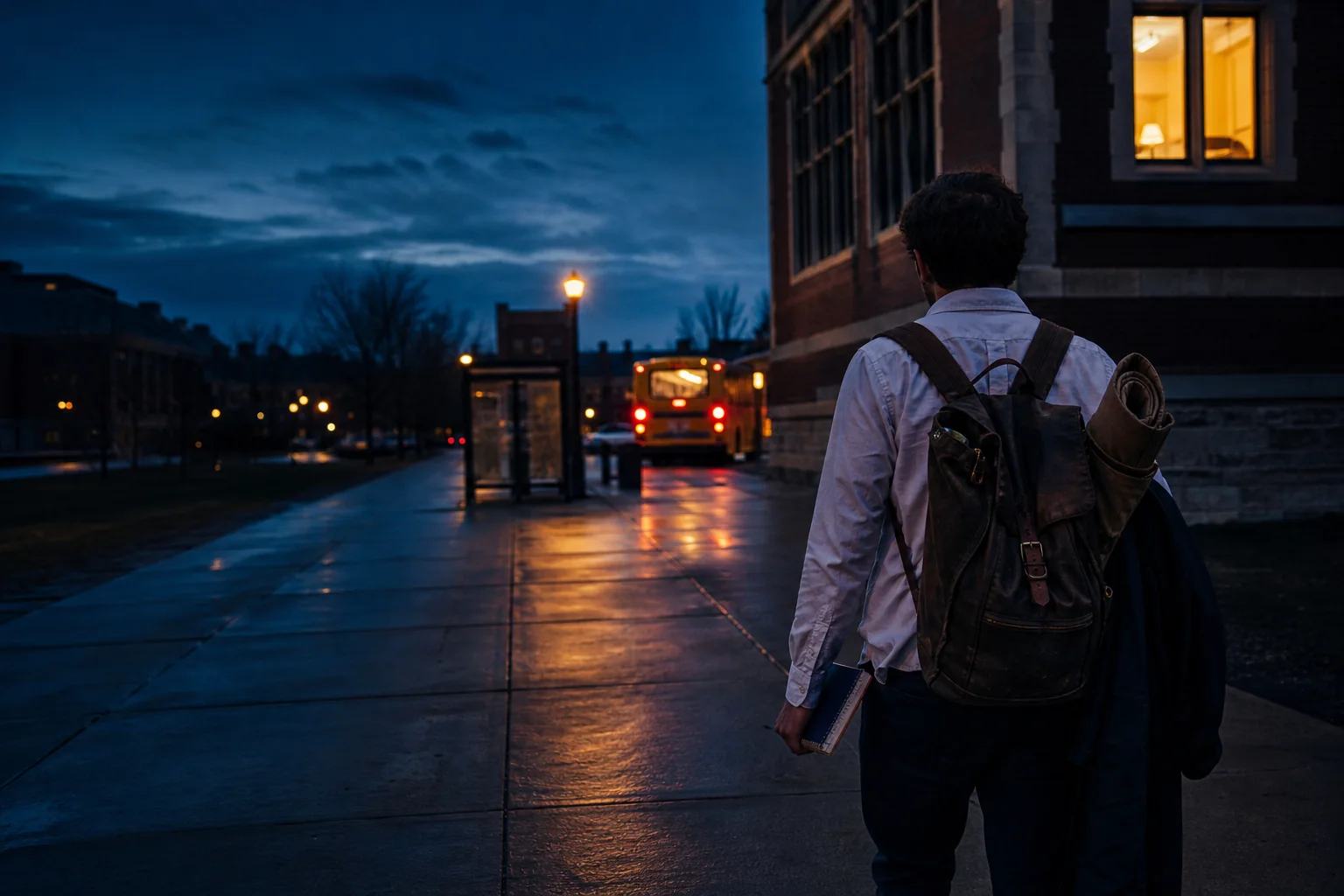
Make the work behind the milestone audible
Go beyond caps, gowns, and a generic future. Use the late shift before class, the failed exam that changed the routine, the mentor who stayed, or the kitchen table that became a study desk—and give the graduate a song that recognizes the whole climb.
Start the song
Replace each blank with real names, moments, and details—the more specific you are, the less generic the song. Everything stays editable in the studio before anything is generated.
What you are making
Graduation compresses years into one public day, which is why generic celebration can feel strangely thin. The personal story lives in the parts the ceremony does not show: commuting, caregiving, changing direction, learning in another language, returning after a gap, working nights, finding help, or rebuilding confidence after a setback.
The Creatune prompt organizes the graduate, giver, level or program, challenge, turning point, supporting people, meaningful place, and next direction. In the Studio, you can edit that material into a private tribute that holds vulnerability or a room-ready anthem that protects details while giving everyone a chorus to share.
Achievement arc
Begin with friction: the recurring hour, place, cost, doubt, responsibility, or skill that made progress difficult. Move to a turning point grounded in action—asking for help, changing a study method, returning to class, finding a mentor, or deciding one failure would not be the final result. Recognition comes after evidence, not before it.
End by opening rather than predicting. The next horizon may be a profession, another degree, a break, a move, service, uncertainty, or simply time to decide. Do not promise a perfect career or claim that every sacrifice was worth it. Let the chorus say what the graduate has demonstrated and what they are now free to choose.

A specific recurring obstacle: night shifts, transport, money, caregiving, language, health, doubt, or a changed plan.
The action or support that changed the trajectory rather than a vague statement that they never gave up.
Name what the graduate learned about their own way of working, asking, adapting, or leading.
Offer permission, possibility, and a truthful direction without treating one ceremony as a guaranteed future.
Different graduations, different stakes
A school graduation may focus on friendship, growing independence, teachers, and leaving a familiar place. University or professional graduation can hold a longer academic struggle and the tension between expertise and an uncertain first step. Adult education, equivalency, trade certification, and returning-student stories often deserve special care because the path may include work, family, migration, disability, or years away from formal learning.
Do not rank one credential above another. Ask what changed for this person and what the certificate makes possible in their life. Use the language they use for the program, and confirm field names, institutions, honors, and titles rather than embellishing them for a stronger rhyme.
Friends, teachers, identity, first independence, leaving a known place, and the courage to enter a larger world.
Research, work, doubt, mentorship, discipline, and the shift from student to practitioner.
Hands-on skill, apprenticeship, tools, clients, safety, pride, and a concrete route into work.
The responsibilities carried alongside study and the decision to begin again on a nontraditional timeline.
Recognition without a name list
Parents, partners, children, friends, teachers, supervisors, classmates, and communities may all belong in the story. Ask what each person actually did: drove to early classes, covered a shift, explained the same concept again, kept dinner warm, proofread a draft, watched a child, or said the sentence that interrupted quitting.
Select two or three actions rather than naming everyone. A public song can dedicate the chorus to the wider group while the verses carry the most decisive support. Check pronunciation and permission before using names, especially when the track will play at a ceremony, party, or school event.
Transport, food, money, childcare, schedule changes, workspace, equipment, or quiet time made available.
A teacher, mentor, classmate, or supervisor who changed how the graduate understood or approached the work.
A person who witnessed doubt without turning the graduate's achievement into their own story.
The routine, boundary, request for help, or changed expectation the graduate learned to create for themselves.
Private tribute or public anthem
A private gift can mention failure, illness, money, family pressure, or the moment someone nearly stopped. A party track should usually translate those details into recognizable but safe images. A ceremony-adjacent song needs a clean length, respectful language, and a chorus that makes sense to listeners who do not know the full backstory.
Test the final version on the planned speaker and download it before the event. If several graduates are present, avoid language that implies one person worked harder or mattered more. For a photo montage, let images carry the school timeline while the lyric concentrates on the effort and change behind it.
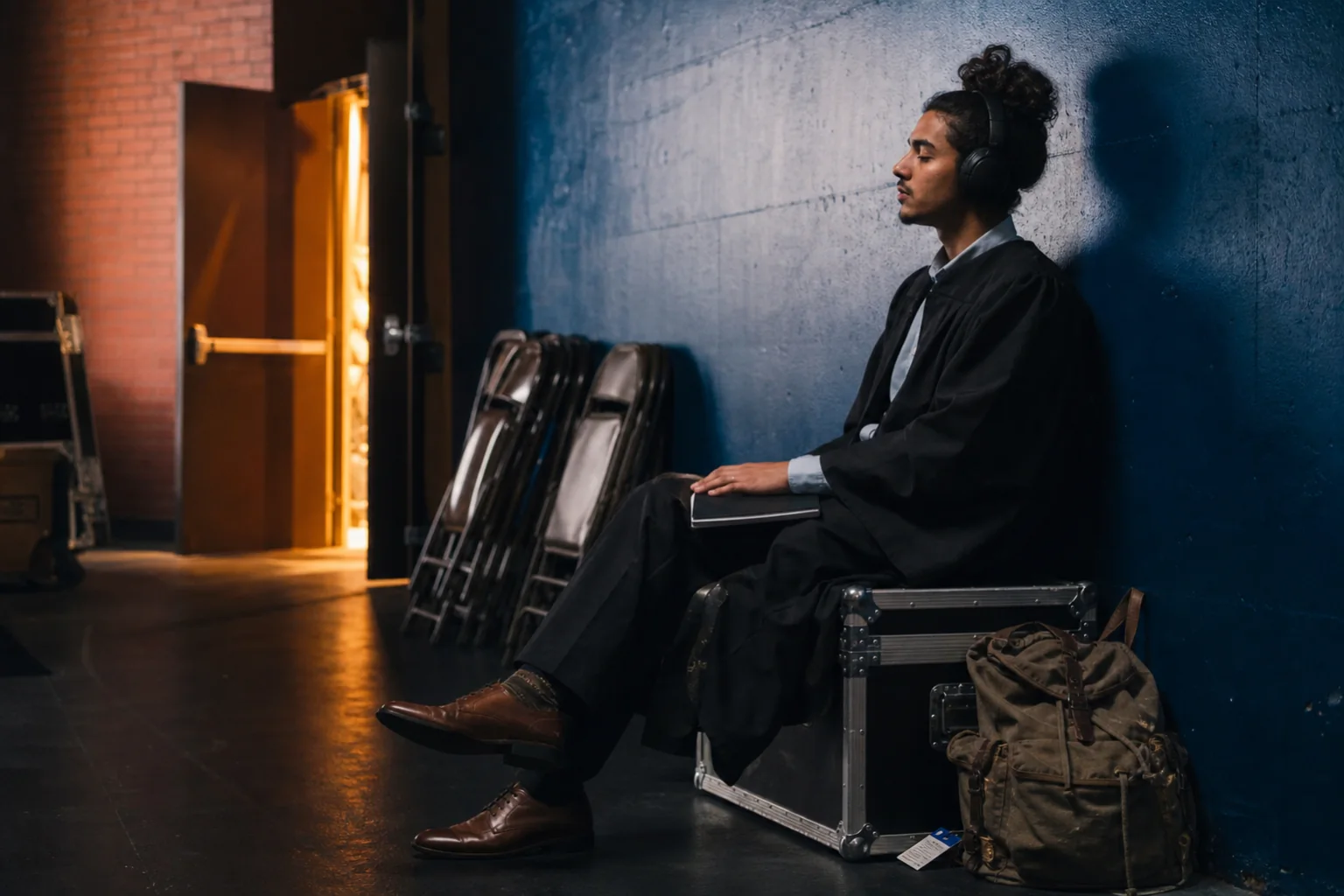
Use the fullest emotional truth and let the graduate hear it without a room waiting for a reaction.
Balance specific recognition with warmth, a quick hook, and details safe for relatives of different ages.
Confirm permissions, length, clean language, names, and whether the institution allows a custom track.
Map the arrangement to visual chapters and reserve the chorus for the emotional meaning rather than dates.
Story examples
These are transparent story examples, not fake audio demos. They show how real details become a creative direction and a singable lyrical moment.

Story Example
Nadia's brother creates a song for her nursing graduation. She worked evening shifts, caught the last bus from campus, almost paused the program after their mother became ill, and finished with help from a classmate who shared notes and a neighbor who provided meals. The party version should protect medical detail.
Direction: Uplifting pop with a patient first verse and a chorus that gains rhythmic force. Use the last bus and reheated meals as evidence; refer to the hard family year without naming illness.
Story Example
A father gives his daughter Lena a song for completing her carpentry apprenticeship after changing careers at thirty-four. Include the first crooked shelf, her mentor's ‘measure twice’ advice, early jobsite mornings, and the confidence of building something that can be tested by hand.
Direction: Roots rock with tactile percussion, low electric guitar and a strong but unpolished vocal. Keep the pride in skill and reinvention rather than treating trade work as a backup plan.
Story Example
Two adult children honor their mother, Denise, for earning an equivalency diploma at fifty-eight. She studied at the kitchen table after work, asked her granddaughter for help with fractions, and kept the acceptance letter beside a grocery list. The first listen will be private.
Direction: Intimate folk with close vocal and minimal arrangement. Treat asking for help as strength, keep the family humor gentle, and make the chorus about choosing one's own timeline.
Keep exploring
Questions before you create
Use the recurring work behind the credential: a study place, commute, setback, changed routine, mentor, family action, breakthrough, or skill the graduate had to build. Specific evidence creates recognition. Confirm programs, titles, honors, institutions, and names rather than inventing them for dramatic effect.
Yes. A private version can hold vulnerability directly. For public playback, translate sensitive health, money, family, or academic details into safer images and let the graduate approve the lyric. The song should recognize difficulty without exposing information or claiming every hardship was necessary.
Yes. Describe the graduate's real transition, responsibilities, tools, program language, and what the qualification now makes possible. Do not treat adult education, equivalency, apprenticeship, or trade certification as less meaningful than a university degree; each requires its own evidence and future horizon.
Choose based on the listening context and graduate. A private gift can be intimate or reflective; a family party may need an uplifting hook; a montage can build cinematically; a school event needs clear, public-safe energy. Edit the same facts and style direction for the room where the song will play.
Collect one concrete action from each contributor, then select the two or three that changed the story most. Use the chorus to thank the wider group without listing every name. Check pronunciation and permission before identifying teachers, classmates, employers, or family members publicly.
Your turn
Describe what made the path hard, what changed it, and what the graduate should recognize in themselves now.
Create a graduation song