Before birth
Write anticipation and the adults' promises. Avoid assigning a personality, talent, or future the child has not chosen.
A welcome made from the first true details
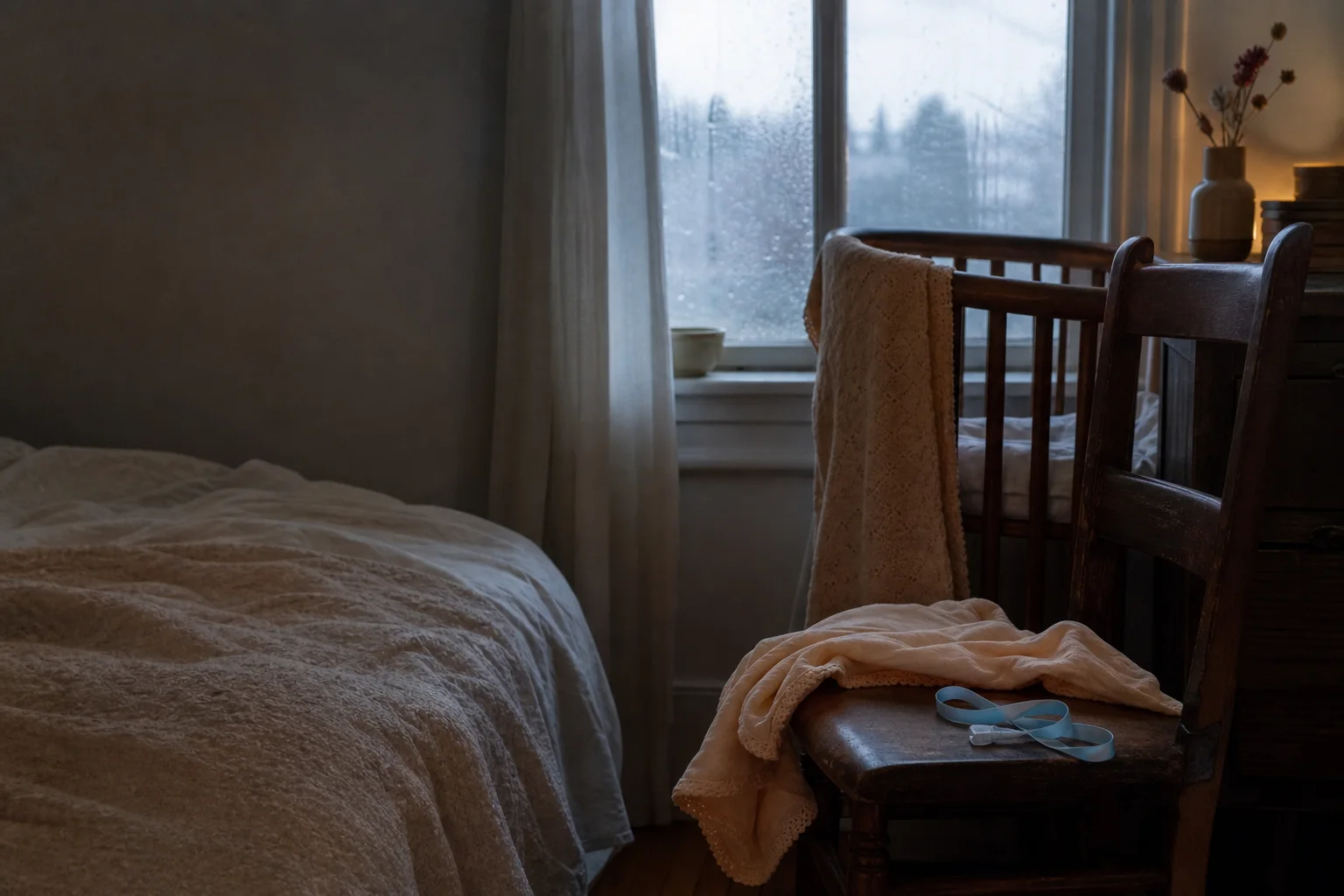
Record the waiting, the first look, the hospital bracelet, the quiet drive home, or the way an older sibling leaned over the crib. Creatune helps turn those witnessed moments into a welcome the child can keep growing into.
Start the song
Replace each blank with real names, moments, and details—the more specific you are, the less generic the song. Everything stays editable in the studio before anything is generated.
What you are making
The most personal material is already present in the first hours and weeks: who waited, what the room sounded like, which name was spoken for the first time, how small a hand felt, or what changed when everyone crossed the threshold at home. These details let a song welcome a real child without borrowing generic language about miracles or destiny.
The Creatune prompt separates what happened before birth, on arrival day, and during the first days at home. It also gives you space to name the voice—a parent, sibling, grandparent, or the whole family—and separate public announcement details from a private keepsake.
The welcome arc
Waiting, arrival, and early family life each create a different kind of song.
A before-birth song can hold anticipation, uncertainty, preparations, and promises without pretending the family already knows the child's personality. An arrival-day song is built from witnessed scenes: the journey, the first look, the names in the room, and the moment time seemed to change. A first-weeks song can include the imperfect truth of sleepless nights, tiny routines, sibling curiosity, and a home learning its new rhythm.
Do not force all three chapters into one chronological biography. Select one emotional center, then use one earlier and one later detail to give it depth. A single image—an unused car seat on the way in and a sleeping child on the way home—can carry more feeling than a list of every event.
Write anticipation and the adults' promises. Avoid assigning a personality, talent, or future the child has not chosen.
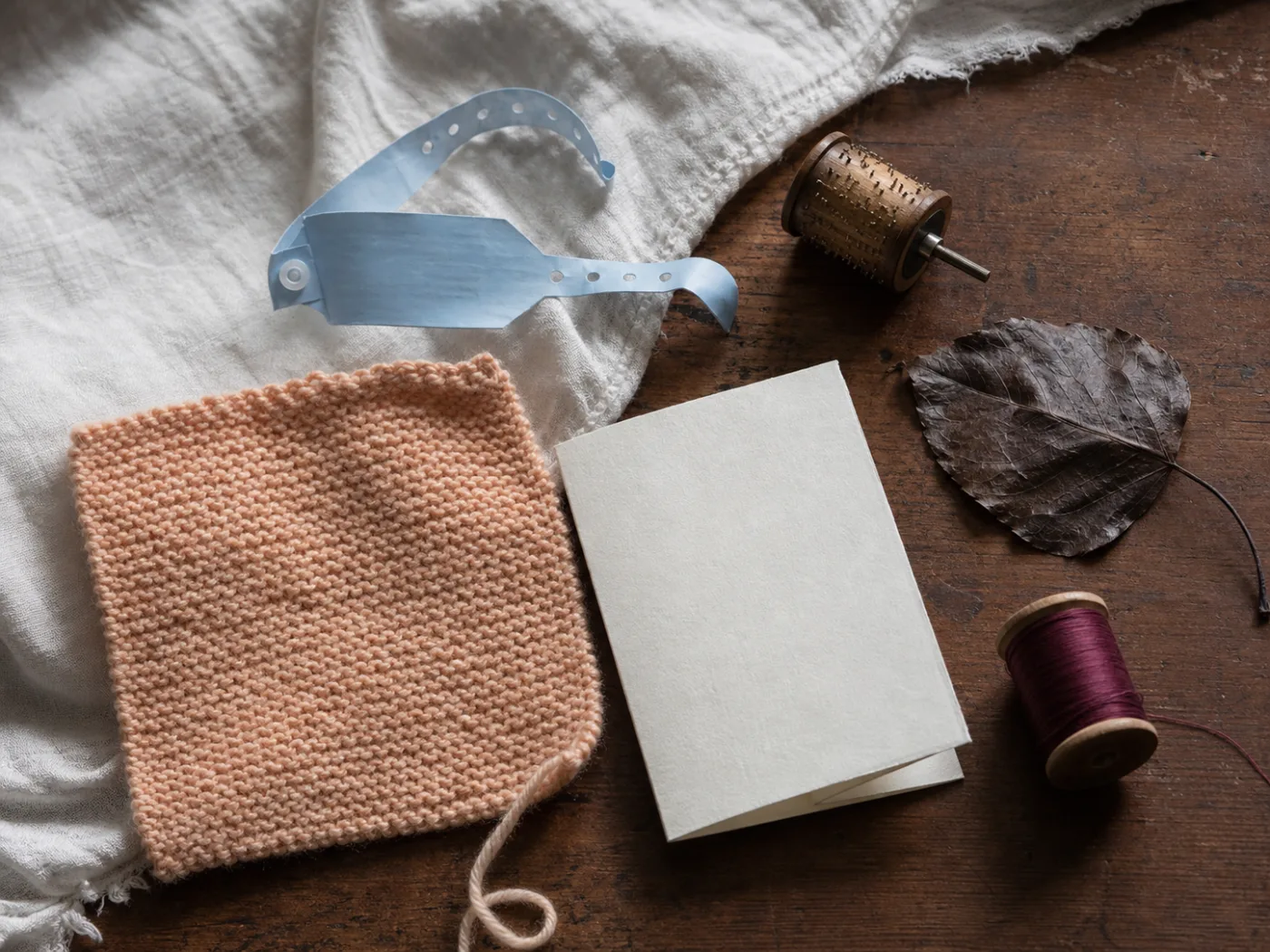
Use the first witnessed details: light, weather, a bracelet, a voice, a journey, or the first time the name was said.
Let feeding times, blankets, visitors, small sounds, and changing household routines make the welcome tangible.
For an older child, frame the song as a record of what the family remembers—not as a claim about what the child should be.
Family point of view
A parent's song can move from uncertainty to responsibility: we waited, we met you, and we promise to keep learning how to care for you. A sibling's song works best with simpler, concrete language about the room, toys, questions, and things they hope to share. A grandparent can connect the arrival to family continuity while staying careful not to place inherited expectations on the child.
When several relatives contribute, collect memories first and edit them into one voice. A chorus crowded with every name can sound like a roll call. Give each contributor one distinctive image, then let the chorus express the shared welcome. Confirm name pronunciation before generating music, especially when the song may become the first recording in which the child's name is sung.
Center responsibility, awe, and the first promises the adults are prepared to keep.
Use child-sized observations and future rituals: stories, games, shared rooms, or teaching the family pet a new name.
Connect generations through objects, places, recipes, or family phrases without prescribing the child's path.
Use several details in the verses and one uncomplicated ‘you are welcome here’ idea in the chorus.
A record with boundaries
Birth stories can contain medical information, difficult labor details, fertility history, adoption or surrogacy context, and images of a child who cannot consent to public sharing. Decide whether this track is for the immediate family, a private photo film, a birth announcement, or a larger gathering. The safest public version usually needs fewer facts than the family keepsake.
Avoid full birth dates, hospital names, addresses, legal details, or descriptions that another parent has not approved. If the arrival involved fear or loss, the song can acknowledge a hard night without turning private medical events into spectacle. Review the complete lyrics with everyone whose story is included before sending the file outside the family.
May hold vulnerable details, provided every adult whose story appears has reviewed and approved them.
Use the name only if it is public, keep medical detail out, and favor one warm scene over a full birth account.
Let the images show dates and chronology while the lyric focuses on the welcome and a few sensory memories.
Write words the child can hear later without feeling assigned a role, personality, or obligation.
How the child first hears it
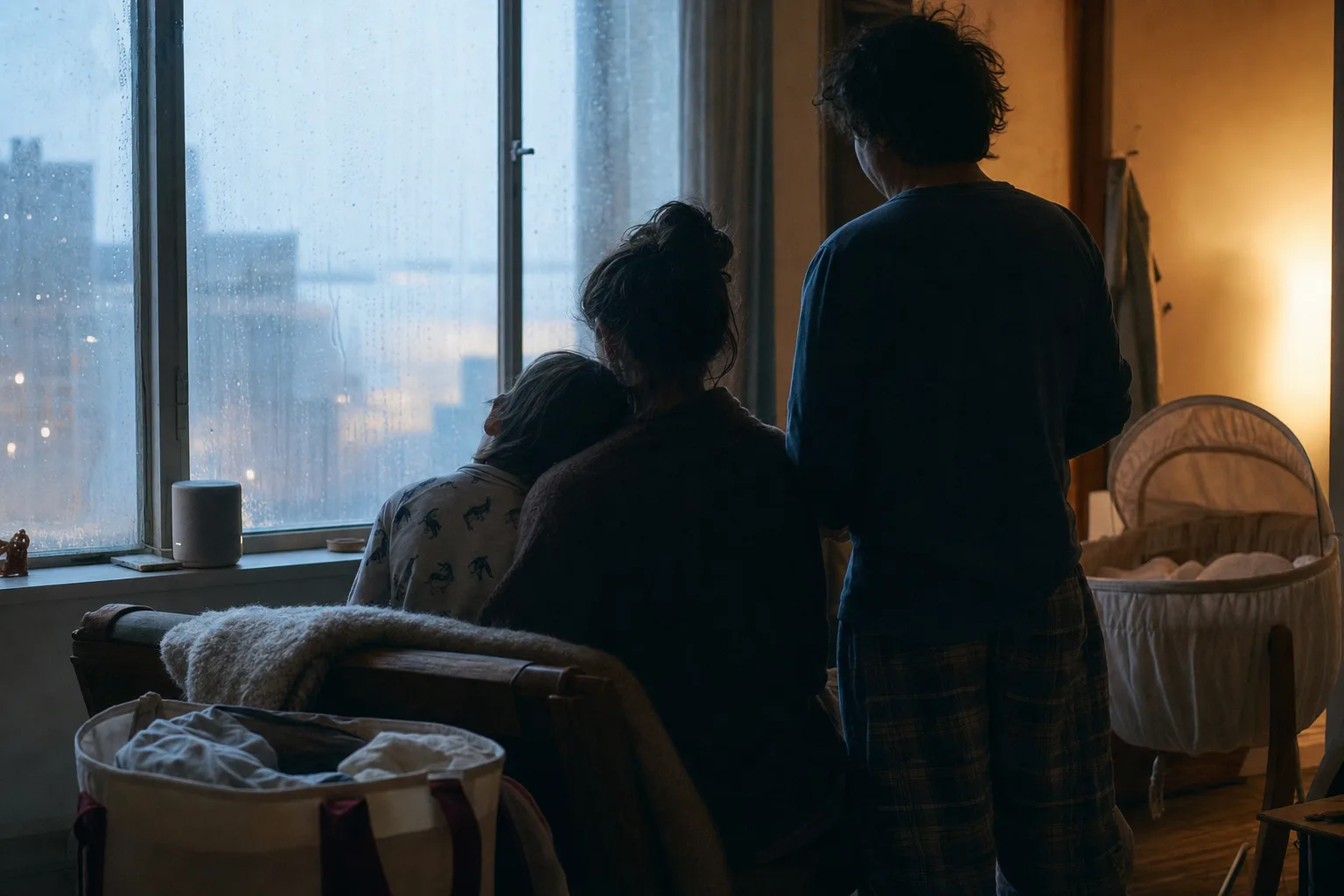
Play a gentle version during a quiet first visit, send it to grandparents who cannot travel, or use it under a private sequence of the journey home. A brighter family-chorus arrangement can work at a welcome gathering when the lyrics avoid material meant only for the parents. Keep the first listening short; new parents do not need another performance to manage.
Save the final audio with the written brief and a note explaining when it was created. Years later, the source details may matter as much as the song. If you revise the track for a first birthday, preserve the arrival version rather than overwriting it; the two songs answer different questions about the child's story.
Use a short, intimate arrangement and let the family listen without expecting a filmed reaction.
Send a private link with the names and story note so distant relatives share the same first chapter.
Choose public-safe lyrics and a chorus relatives can understand on the first listen.
Archive the brief, lyrics, final file, and one photograph that explains the song's central image.
Story examples
These are transparent story examples, not fake audio demos. They show how real details become a creative direction and a singable lyrical moment.
Story Example
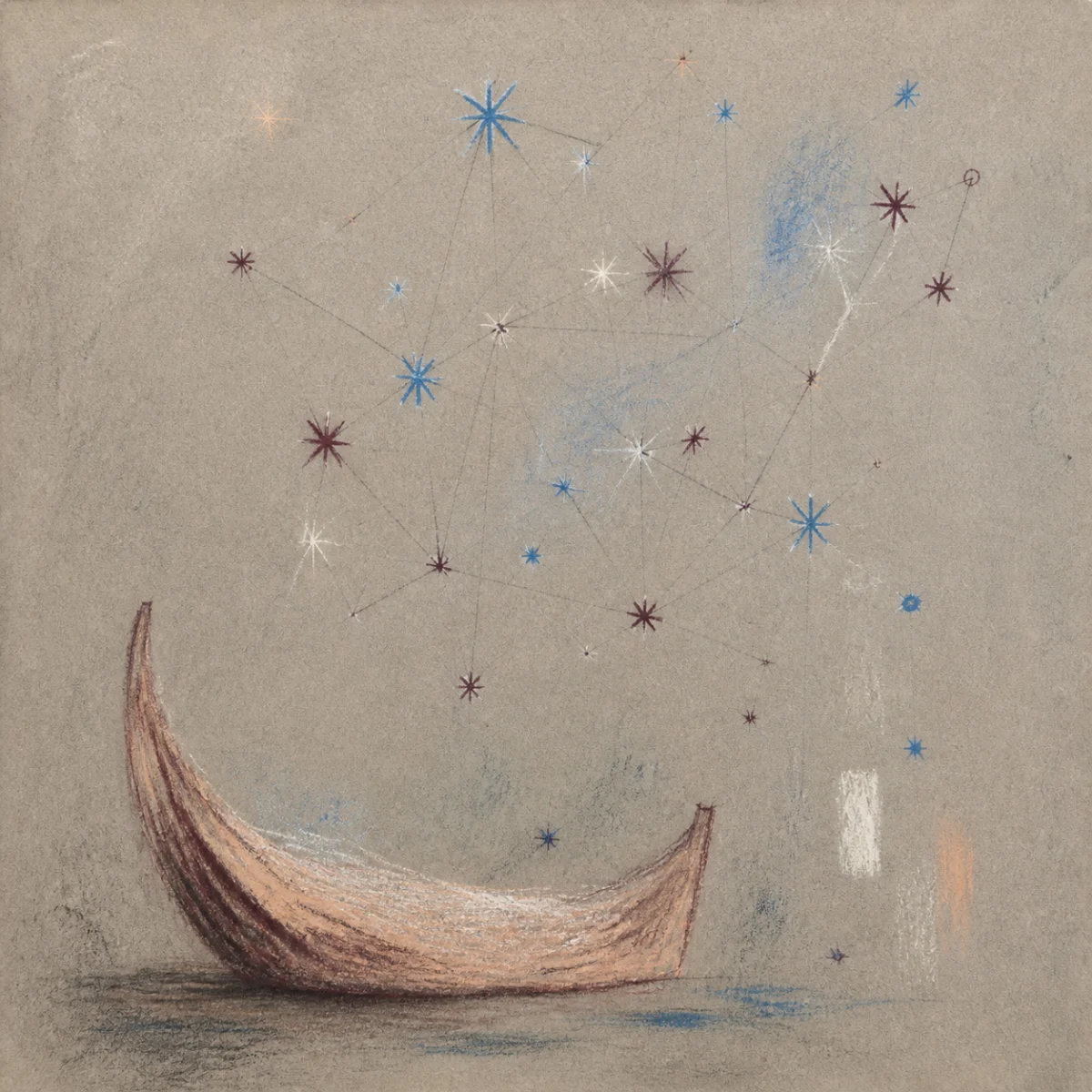
A song from Leila and Sam to newborn Nora. She arrived before dawn after a long night; Sam kept the blue hospital bracelet, and the first quiet moment came when rain touched the window. The family wants the song kept private and wants the chorus to promise patient, ordinary care rather than a perfect future.
Direction: Close piano, bowed textures, low percussion and a gradual cinematic lift. Begin with the bracelet and rain, keep medical details out, and make the chorus a promise the parents can actually keep.
Story Example
Eight-year-old Theo welcomes his baby brother, remembers helping choose tiny yellow socks, worries about sharing the reading chair, and wants to teach him the made-up song used for the family dog. Keep the language playful and at a child's point of view.
Direction: Warm acoustic guitar, light hand percussion and an easy child-height melody. Let the verse admit mixed feelings, then resolve into curiosity instead of forced instant devotion.
Story Example
Parents and grandparents welcome Amari after the drive home. Include the grandfather waiting with soup, the grandmother relabeling every freezer box, and the sunrise filling a still-unpacked room. The song will play at a small family lunch.
Direction: Joyful family soul with warm keys, restrained brass and a chorus that multiple voices can sing. Keep the energy bright without turning the baby into a party prop.
Keep exploring
Questions before you create
A personalized new baby song is an original track built from a child's real arrival story, family relationships, first memories, and a chosen welcome message. It can be created before birth, on arrival day, or during the first weeks, with private details controlled by the family.
Yes. Focus on waiting, preparations, uncertainty, the adults' relationship, and promises they are ready to keep. Avoid predicting the child's personality, appearance, talents, or future. Leave the name blank when needed and write about anticipation rather than invented memories.
Yes. Choose a sibling, grandparent, parent, or whole-family point of view. Each needs different language and evidence: siblings use concrete future rituals, grandparents may connect generations, and parents can make direct care commitments. State who is speaking before adding memories.
Only when the people involved want those details included and the listening context is private. A song can acknowledge a long or frightening night without naming medical facts. Create a separate public-safe version when the track will be shared as an announcement or played for a larger group.
No. A new baby song records arrival, family change, and welcome. A lullaby is designed for repeated bedtime listening with low dynamics, simple language, and a soothing structure. A welcome song may be gentle, but its primary job is storytelling rather than sleep support.
Your turn
Describe who is welcoming the child and which moment the family never wants to forget.
Create a new baby song