Action
Something observable he did more than once: fixed, drove, called, waited, packed, showed, saved, practiced, or returned.

Some fathers speak in actions
Start with the repaired hinge, the same route driven before dawn, the weather report nobody requested, the call that ended with practical advice, or the skill he taught by standing nearby until your hands understood.
Start the song
Replace each blank with real names, moments, and details—the more specific you are, the less generic the song. Everything stays editable in the studio before anything is generated.
What you are making
Many father relationships are not short of feeling; they are short of vocabulary that both people would actually use. ‘You are my hero’ may be sincere, but it asks the listener to accept an abstract role. A line about waiting beside a silent car at 2 a.m., teaching someone to measure twice, leaving cut fruit by a desk, or calling with a weather warning shows care before the chorus names it. The gesture gives gratitude a scale the relationship can tolerate.
Creatune's song agent asks who is speaking, what name or family title feels right, which actions repeated, what skill or place belongs to the relationship, how humor works between them, what the giver misunderstood earlier, and how directly Dad is comfortable receiving emotion. It supports biological, adoptive, step, foster, chosen-father, grandparent-as-father, complicated, distant, repaired, and remembrance stories without forcing them into one idealized script. The job is accuracy, not a generic portrait of fatherhood.
The quiet-love translator
The lyric becomes emotional when the listener recognizes the evidence before hearing the conclusion.
List five things he did without asking for attention. They can be practical, playful, protective, creative, or ordinary: checking tires, packing snacks, repairing the same object again, standing at the edge of a game, learning a recipe badly, saving newspaper clippings, driving in silence, or sending one-word messages at exactly the right time. Choose two that reveal different qualities. A repair might show patience; a repeated drive might show reliability; a joke during a difficult week might show how he kept fear from owning the room.
Then add the later understanding. As a child, the early departure may have felt normal; as an adult, the giver now sees the shift worked beforehand. Advice that once sounded repetitive may now reveal the risk he was trying to help someone survive. Keep interpretation proportionate. Do not rewrite emotional absence as noble silence, excuse harm, or pressure the giver into forgiveness. A complicated song may thank him for one real thing while naming distance honestly. The agent can keep the message restrained, humorous, tender, or direct according to what is true and safe.

Something observable he did more than once: fixed, drove, called, waited, packed, showed, saved, practiced, or returned.
What the action demonstrated—patience, steadiness, curiosity, fairness, protection, resourcefulness, or making room.
How the giver interpreted it at the time, including confusion, impatience, comfort, embarrassment, or simple acceptance.
What age, responsibility, parenthood, distance, grief, or experience helped the giver finally recognize.
Write the actual father relationship
A song for a stepdad may center the ordinary moment he chose to stay involved rather than a biological origin. An adoptive or foster-father story may include belonging while protecting information that is not the song's to disclose. A chosen-father or mentor relationship should use the title the recipient and giver actually use, not promote him into a label he has never claimed. A remembrance song can speak directly to Dad or follow his habits through the people who still repeat them.
When the relationship contains conflict, decide the emotional job before choosing music. Gratitude, reconciliation, boundary, remembrance, celebration, and ‘I wish we knew each other better’ are different songs. Do not surprise someone publicly with unresolved history. Keep estrangement, addiction, health, money, family conflict, and private apologies out of a birthday room unless both people have approved that level of disclosure. Personalization includes knowing when a specific truth belongs in a private track rather than the family version.
Show how the relationship changed as the child became an adult rather than freezing Dad inside childhood memories.
Name the acts of presence and belonging without exposing origin details or using language the family does not share.
Choose one honest emotional job, avoid public surprise, and never let a song substitute for consent or a needed conversation.
Use tools, routes, sayings, sounds, recipes, or learned skills to show how his presence continues through action.
The sentiment dial
Some dads will receive a full piano ballad comfortably. Others will hear love more easily through roots rock, folk detail, warm soul, country-adjacent storytelling without imitation, or a lightly funny song whose bridge becomes sincere for eight lines. Describe how the relationship communicates. Does he deflect compliments with a joke? Does he sit with emotion but rarely initiate it? Would he prefer a private file he can replay alone? The arrangement should create access, not overwhelm him because the giver wants a visible response.
Restraint does not mean vagueness. A close vocal, dry guitar, brushed drums, and one repeated object can carry direct gratitude without grand strings. Humor should aim at public habits he owns—overchecking directions, saving every screw, narrating traffic—not age, body, illness, money, or vulnerability. If the chorus says ‘I see it now,’ the verses must show what ‘it’ means. If it says ‘thank you,’ name the action. Specificity lets a quieter song remain emotionally complete.
Close vocal, practical images, conversational phrasing, and no demand for a dramatic response.
Roads, tools, shared work, steady drums, and a chorus with enough lift for a birthday or backyard room.
Piano or organ warmth, mature gratitude, and space for a more direct emotional landing.
Recognizable habits in the verses, respectful exaggeration, and a bridge that explains why the quirks became beloved.
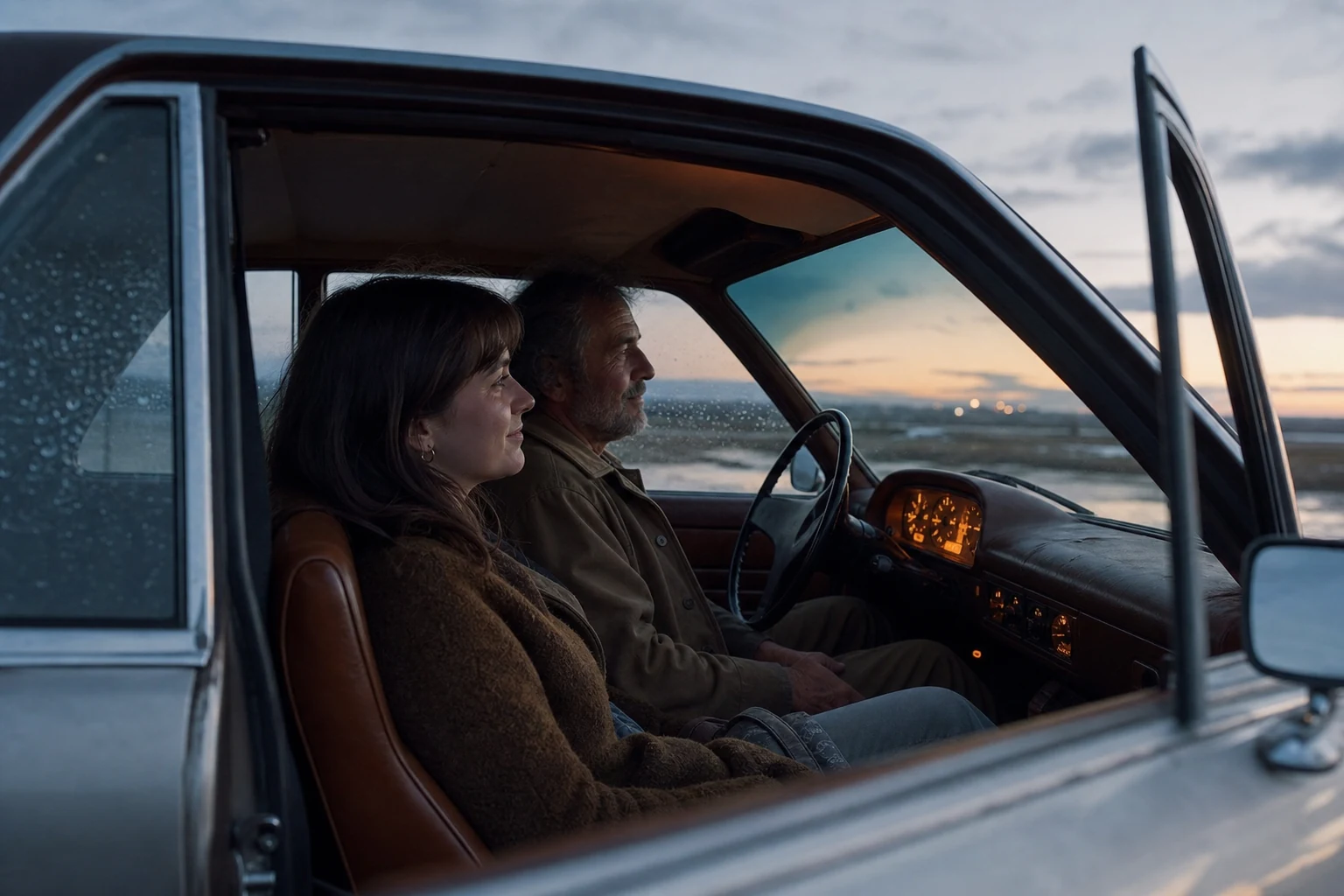
A listening place with no spotlight
A parked-car listen can suit a relationship built through drives and side-by-side conversation. A garage or workshop places the song among the objects that inspired it. A backyard birthday can support a warmer, more public chorus when every detail is safe for family. A wedding thank-you needs a clear point of view, comfortable dance length if applicable, and a public edit that does not reveal family history guests were never meant to hear. A remembrance track may be shared first with siblings or relatives who own parts of the story.
Download the song, turn off notifications, and do not hide a vulnerable message inside a filmed surprise. Let Dad decide whether the track can be shared. For family playback, review names, deceased relatives, financial sacrifice, divorce, illness, and conflict before anyone presses play. A successful gift does not require tears, a speech, or a hug on cue. The song has done its job when the recipient hears the old route, object, or phrase and understands what the giver finally learned from it.
Side-by-side, private, naturally connected to roads and advice; park before listening and leave silence afterward.
Choose the room or objects inside the lyric, keep the audience small, and avoid turning listening into a performance.
Use the public-safe version, warmer energy, and details everyone can recognize without exposing private history.
Coordinate timing, dance pace, DJ handoff, family approval, and a lyric that connects childhood care to the new chapter.
Story examples
These are transparent story examples, not fake audio demos. They show how real details become a creative direction and a singable lyrical moment.
Story Example
Leah wants to thank her stepdad Marcus for teaching her to repair furniture, waiting nearby instead of taking tools from her, and driving three hours to help when her first apartment flooded. She calls him Dad now, but the song should not discuss her biological father. It is a private birthday gift in his workshop.
Direction: Restrained folk with dry acoustic guitar, brushed percussion, and a low warm vocal. Use measuring twice as the recurring phrase, let the flood reveal his dependable presence, and make the chorus about the confidence he taught rather than declaring him a hero.
Story Example
Eli's father texts detailed weather warnings before every trip, keeps an old thermos in the truck, and once drove through the night after Eli's car failed. Eli used to tease the forecasts and now sends the same messages to his own daughter. The track will play at a small family dinner; avoid money and health details.
Direction: Warm roots rock with muted electric guitar, steady mid-tempo drums, and a chorus suitable for family playback. Let the weather reports begin as affectionate humor, then reveal the inherited habit as a form of care passed forward.
Story Example
Two siblings remember their father through a garage light he left on, labeled jars of screws, silent Saturday repairs, and the phrase ‘we can make it work.’ They want a private remembrance song for the first anniversary of his death. Both will review the story; no medical details or public release.
Direction: Restrained piano with soft bass clarinet, room tone, and no cinematic climax. Use the garage light as continuing presence, let each sibling contribute one verse image, and end with the practical phrase becoming something they now say to each other.
Keep exploring
Questions before you create
Use repeated actions, shared skills, routes, tools, jokes, advice, sounds, and something you understand differently now. A specific repair, drive, call, or phrase usually carries more emotional weight than broad words such as ‘hero’ or ‘best dad’ without evidence.
Yes. Use the family title and relationship language both people actually share. Focus on acts of presence, belonging, learning, and care. Protect origin details, former relationships, and family history that the recipient or other relatives have not approved for the song.
Yes. Tell the agent how directly your relationship communicates and choose restrained folk, roots rock, warm soul, or gentle humor accordingly. Use a private setting, do not demand a visible reaction, and let concrete actions carry feeling before the chorus becomes direct.
Yes. Choose whether it is a private gift, parent dance, or public thank-you. Connect specific childhood care to the new chapter, confirm the final length and dance pace, share a downloaded copy with the DJ, and remove family details that are not appropriate for guests.
Yes. Decide whether the lyric speaks to him, tells the family story, or follows his habits through the people who continue them. Ask relatives to review shared memories, exclude medical or private details, and choose a private first listen before any public use.
Your turn
Bring one action, one shared object or route, and what you understand now. The agent will help translate them into a message at the emotional volume your relationship can hold.
Create a song for Dad