Companionship
Shared attention, humor, quiet, recurring places, and the relief of being known without constant performance.
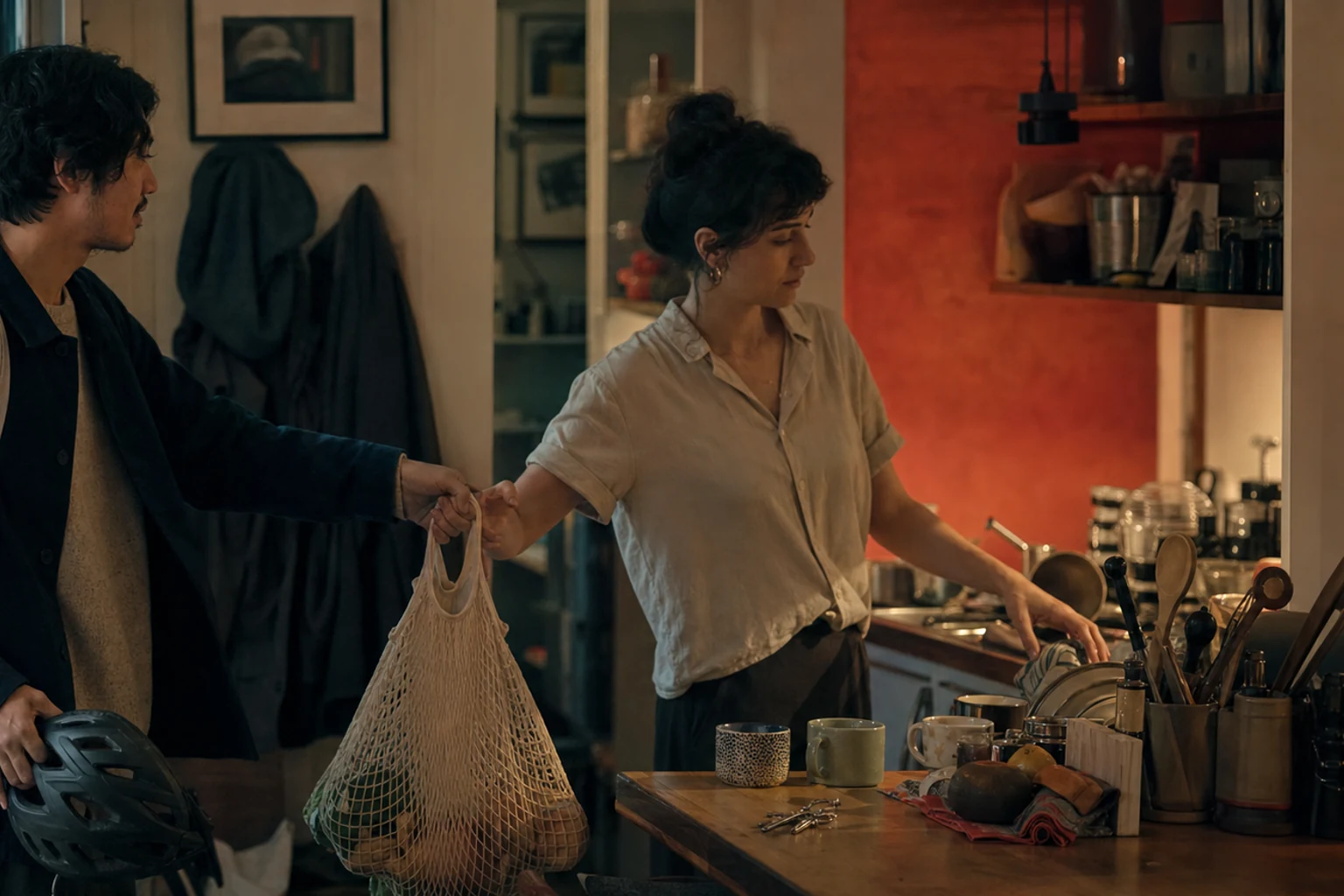
Partnership lives between the milestones
Begin with the second cup already poured, the calendar nobody else understands, the quiet handoff after a difficult day, the private phrase that resets an argument, or the room that became home because both people kept choosing how to care for it.
Start the song
Replace each blank with real names, moments, and details—the more specific you are, the less generic the song. Everything stays editable in the studio before anything is generated.
What you are making
‘Partner’ is often the most accurate word because it leaves room for the people inside the relationship to define it. They may be dating, cohabiting, long-distance, engaged, married without using gendered titles, nonbinary, rebuilding after change, or simply uninterested in making a public milestone the center of their story. The song should not fill that open space with marriage, children, conventional roles, or a promise the giver did not make.
Creatune asks for preferred terms and pronouns first. It then looks for the partnership inside daily life: how responsibilities move, how one person notices the other, what private language helps, which challenge they handled together, what the relationship makes possible, and whether the song is romantic, grateful, sensual, playful, steady, or future-facing. The result can feel deeply intimate because it uses evidence, not because it intensifies every claim into forever.
The partnership lens
Companionship lives in shared attention: the walks that continue after conversation runs out, the same obscure program watched twice, or the silence that does not need fixing. Teamwork appears in handoffs, responsibilities, care during illness-free hard weeks, financial caution without figures, travel logistics, pets, family obligations, or protecting each other's time. Desire belongs in a different song texture—specific, mutual, private, and never written for an audience that has not been invited into it. Home may be a room, a route, a voice on a call, or the feeling of being understood across distance.
Growth can include a hard season, but the lyric should not publish conflict or frame struggle as proof that a relationship must continue. Ask what changed in the people, what they repaired, what boundary helped, or which new way of communicating became possible. Choose one dominant lens and two supporting details. A song that tries to be companionship, erotic declaration, household thank-you, apology, anniversary timeline, and proposal at once will lose the sentence the recipient most needs to hear.
Shared attention, humor, quiet, recurring places, and the relief of being known without constant performance.
Handoffs, practical care, protected time, shared responsibility, and decisions made with both lives in view.
Mutual, private, specific language shaped for the recipient—not an audience or a generic romantic stereotype.
The place or practice that creates belonging, plus how the relationship changed what each person can do or imagine.
The language and pronoun review
Record names, pronunciation, pronouns, and preferred relationship terms exactly. If the recipient uses ‘partner,’ do not switch to boyfriend, girlfriend, husband, wife, soulmate, or spouse for rhyme. Avoid gendered household assumptions such as one person cooking, earning, organizing, or providing emotional care because of identity. Ask who actually does what and whether the giver wants that labor named. If the couple uses private nicknames, decide whether they belong in a public chorus or only a private version.
Future language needs the same care. ‘I want more mornings like this’ can be a complete promise. Do not add marriage, children, home ownership, relocation, exclusivity, or lifelong permanence unless the giver supplies it. A long-distance song can name the next visit without promising an unplanned move. A newer relationship can celebrate growing trust without claiming complete knowledge. Accuracy makes the lyric safer and more romantic because the recipient hears the relationship they are actually in.
Confirm spelling, pronunciation, pronouns, perspective, and whether the lyric speaks as ‘I,’ ‘we,’ or directly to ‘you.’
Use partner or another supplied title consistently; never upgrade, gender, or redefine the relationship for rhyme.
Decide which nicknames, jokes, habits, and intimate details belong in the song and which are not for an audience.
Promise only what has been chosen: another season, a shared project, continued teamwork, a visit, or a specific next chapter.
The ordinary-life brief
Look for coordination nobody photographs. Who warms the side of the bed, handles the difficult call, refills the water, notices overload, checks the route, or knows when conversation should wait? What object travels between two desks? Which grocery item, train platform, dog walk, voice note, calendar code, or closing-time meal marks the relationship? These details are not small once they reveal attention and mutual adaptation.
Translate them into music with the tone the couple actually enjoys. Conversational acoustic keeps language close and underplayed. Indie pop can carry domestic motion and playful specificity. Neo-soul supports warmth, desire, and rhythmic private phrases. Electronic minimalism can suit long-distance routines and screen-lit nights. Do not request imitation of a real artist; describe tempo, groove, instruments, vocal intimacy, production era, and emotional texture. Let the chorus answer what the shared routine means, not merely repeat that the partner is loved.
Everyday phrasing, close guitar or piano, dry humor, and a message that sounds like something the giver might actually say.
Moving household detail, bright but imperfect textures, and a chorus that feels alive rather than ceremonially romantic.
Rhythmic intimacy, expressive harmony, mutual desire, and warmth without forcing a dramatic power-ballad arc.
Distance, late messages, repeated digital rituals, and space around a quiet future-facing line.

Private by default
Sharing headphones on a sofa, sending the song before a long-distance call, or playing it during an ordinary evening can fit a partnership story better than a staged public surprise. If the track includes desire, conflict, repair, financial caution, health, family boundaries, or private language, keep the first listen one-to-one. A birthday or anniversary-adjacent gathering can use a public-safe edit, but this page is not driven by a date; the reason may simply be that the giver wants to name the partnership now.
Review the lyrics for labels, pronouns, assumptions, and details that belong to both people. Download the track and do not send it to friends for reaction before the recipient hears it. Ask afterward whether it may be shared. If the song marks a new chapter, let the music accompany the decision rather than pressure the partner to accept it. A personalized gift should recognize a shared life; it should never make one person publicly responsible for validating the giver's version of the relationship.
Intimate, low-pressure, and appropriate for private language, desire, or a conversational arrangement.
Use the room, meal, walk, or routine already inside the lyric and let recognition arrive without spectacle.
Download both copies, start together, and make the recurring distance ritual part of the story.
Remove private names, conflict, sexual detail, family history, and assumptions before any party, video, or social post.
Story examples
These are transparent story examples, not fake audio demos. They show how real details become a creative direction and a singable lyrical moment.
Story Example
Alex and Rowan use they/them pronouns. Rowan starts coffee before Alex wakes, Alex protects Rowan's Thursday evening art class, and both leave voice notes when work schedules cross. They want no marriage language and no special occasion; Alex will play the track during a quiet breakfast.
Direction: Conversational indie pop with muted guitar, brushed electronic drums, and close neutral vocal. Make the second cup the opening, use the protected Thursday as evidence of teamwork, and let the chorus celebrate making room rather than promising forever.
Story Example
Priya and Sam are temporarily living in different countries. They share a grocery list, watch one episode together on Sundays, and leave morning messages the other hears at night. Their next chosen step is a three-month visit, not a permanent move. Use partner and she/her for Priya, he/him for Sam.
Direction: Minimal electronic with warm sub-bass, clock-like percussion kept subtle, and intimate alternating vocal layers. Treat the shared list as ordinary coordination across distance and make the final line promise only the planned visit.
Story Example
Morgan wants to thank partner Jules for learning to pause arguments, take a walk around the same block, and return when both can listen. They also care for an elderly dog and celebrate small weekend meals. The first listen is private. Do not describe the conflict or suggest that staying together was the only correct outcome.
Direction: Neo-soul with spacious drums, electric piano, and a chorus that resolves tension without triumph. Use the block and old dog as grounded images, make the learned pause a shared skill, and keep every conflict detail outside the lyric.
Keep exploring
Creatune Personalized Songs
The life between the milestones
The marriage after the photographs
Questions before you create
Yes. Use partner or any relationship term the recipient and giver actually share. Confirm names, pronunciation, pronouns, point of view, and future language. Creatune does not need gendered or marital titles to make a deeply specific relationship song.
Include two ordinary partnership details, one private phrase or place, a challenge or decision handled together when appropriate, what the relationship makes possible, and the message you want heard now. Add preferred labels, pronouns, privacy boundaries, and musical direction.
No. A partner song can be for a birthday, a new chapter, a quiet celebration, reunion, difficult season, or no occasion at all. It is relationship-led rather than date-led and does not need marriage or proposal language unless you explicitly choose it.
Write coordination and recognition: who makes the second cup, protects time, handles a handoff, knows when to pause, remembers the route, or uses a private phrase. Let the chorus explain what those actions mean instead of repeating broad claims such as ‘you are my everything.’
Ask your partner after the private first listen. Remove private nicknames, conflict, desire, health, family boundaries, and details that belong to both people before posting. Also confirm the usage rights included with the applicable Creatune plan for video, monetized, or commercial use.
Your turn
Tell the agent the language your relationship uses, what both people quietly coordinate, and the message you want heard without forcing a milestone.
Create a song for your partner