Tease
One public-safe habit she owns, balanced by affection and never based on vulnerability, body, identity, money, or relationships.
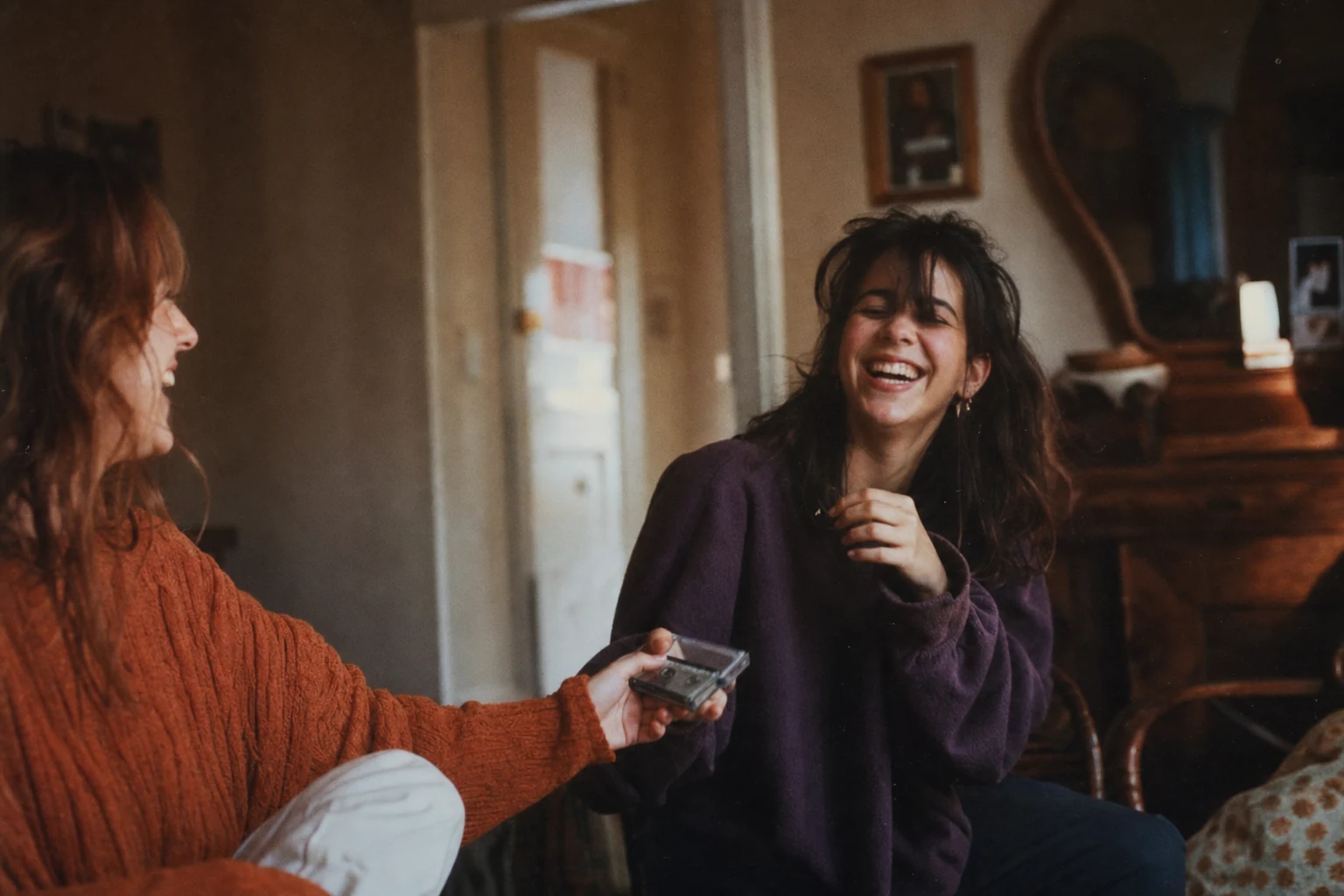
Affection with the family truth left in
Begin with the tape line across a shared room, the jacket borrowed without permission, the family trip that became a private language, the fight neither person remembers correctly, or the adult call that proved closeness had become a choice.
Start the song
Replace each blank with real names, moments, and details—the more specific you are, the less generic the song. Everything stays editable in the studio before anything is generated.
What you are making
Sisters may share a room, parent, household rule, family mythology, grief, holiday, clothes, rivalry, or language that no friend could fully inherit. But shared history is not the same as shared interpretation. One person remembers a trip as adventure; the other remembers being carsick. A joke that feels affectionate at the kitchen table may become humiliating in a wedding room. The song becomes personal when it uses the family system as evidence while allowing two people to have distinct versions of what happened.
Creatune asks whether the relationship is older, younger, twin, stepsister, half-sister, adoptive, chosen, close, distant, or repairing; which room or family place formed the story; where friction belongs; which inside joke is safe; how the sister has chosen to show up as an adult; what family details are jointly owned; and how teasing, nostalgia, gratitude, or reconciliation should balance. Unlike a best-friend song, this page works with the inherited system—and with the boundaries needed to keep inheritance from becoming exposure.
The sibling truth dial
The strongest sister songs let affection survive an accurate detail rather than polishing every edge away.
Teasing should use habits she already jokes about, not body, age, relationships, fertility, money, health, identity, parenting, achievement, or a vulnerable mistake. Nostalgia works best through a physical system: the top bunk, one bathroom mirror, a cassette, a back seat, the order people sat at dinner, or a code used when adults were listening. Gratitude should name adult choice—the call returned, boundary defended, visit made, or practical help offered—rather than assuming siblings owe permanent closeness. Repair can acknowledge that the relationship changed without using a song to force agreement.
Set the dial before writing. A birthday may favor teasing and gratitude. A wedding morning can hold nostalgia but needs strict audience boundaries. A reunion may use family-recognizable history while protecting the sisters' private version. A song after estrangement should be private, modest, and free of ‘we have always been close.’ If one sister is deceased, the memorial job and family permissions become more important than a celebratory sibling structure. Accuracy includes leaving a section of history out when the song cannot hold it safely.
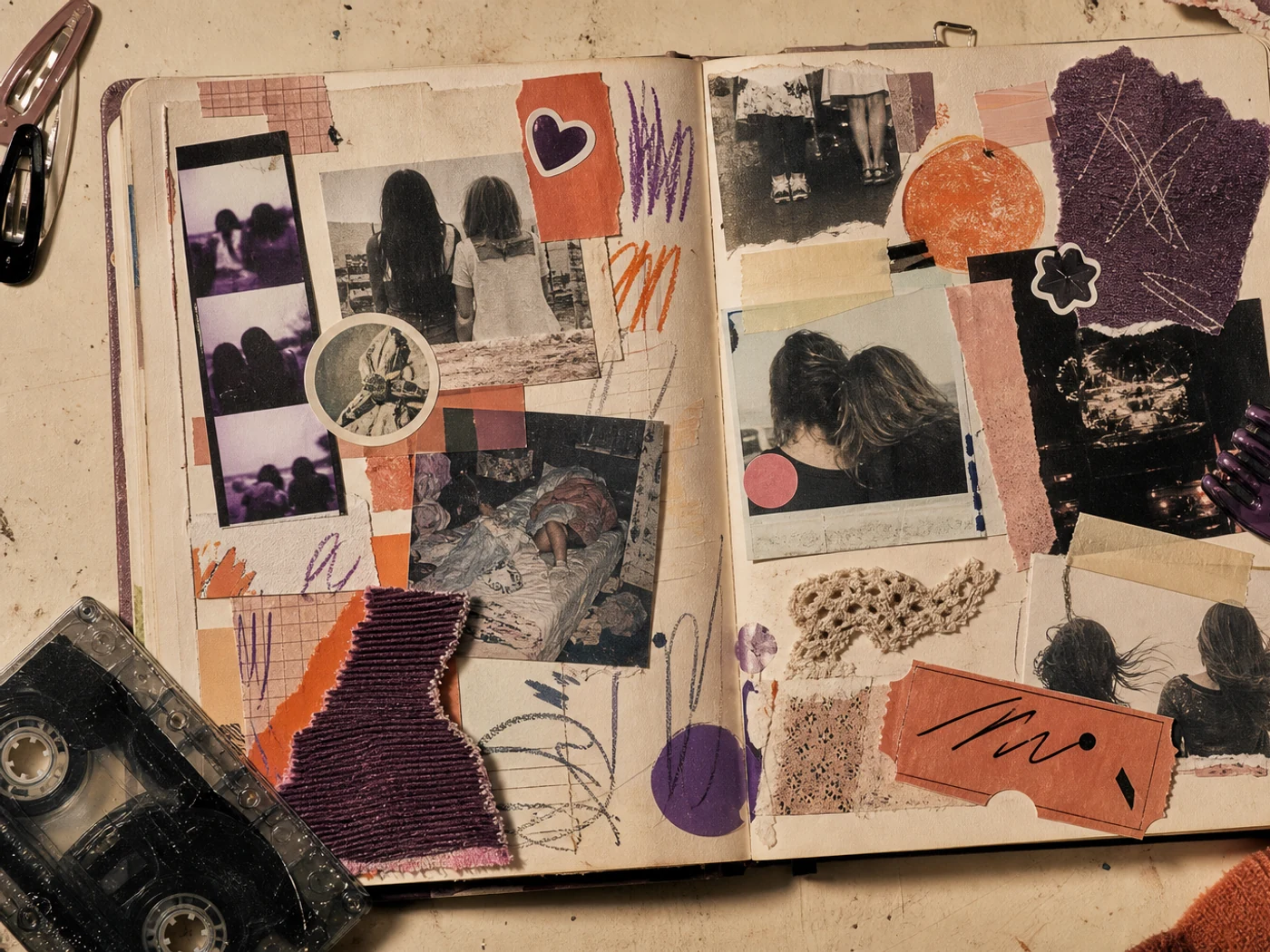
One public-safe habit she owns, balanced by affection and never based on vulnerability, body, identity, money, or relationships.
A room, trip, object, household rule, family sound, or private code that locates both sisters inside a shared system.
How she chooses to show up now through calls, truth, boundaries, humor, care, travel, or practical action.
Acknowledge distance or change without rewriting history, assigning blame publicly, or requiring reconciliation.
Shared memory, separate ownership
List every person who appears in the memory. A family trip may also reveal a parent's conflict, a sibling's illness, financial hardship, or someone else's mistake. Remove the surrounding private material and keep the sisters' evidence: the same orange blanket, an invented car game, a song sung badly, or the snack hidden for later. If the memory includes childhood embarrassment, ask whether she would tell it herself in the intended room. Familiarity is not consent.
Twins need especially careful separation. Avoid treating them as mirrored halves, interchangeable personalities, or one identity split in two. Stepsisters and chosen sisters may have a specific beginning that matters more than a shared childhood; use the title they claim. Older-sister and younger-sister roles can appear, but do not praise one for unpaid parenting or define the other as permanently reckless. A song can name how the roles changed as both became adults and chose a more equal relationship.
Remove family conflict, health, finances, identity, grief, and mistakes belonging to people who did not approve the song.
Use the intended audience test: a private joke may be safe one-to-one and wrong at a birthday, wedding, or reunion.
Older, younger, twin, step, half, adoptive, or chosen can shape the history without becoming a permanent personality.
When recollections conflict, keep the shared object or feeling and avoid declaring one sister's version official.
Closeness became a choice
Childhood supplies vivid verses, but adult sisterhood gives the song its emotional turn. Maybe they now schedule calls after years of assuming the other would know. One sister tells the truth when the family prefers a simpler story. They care for a parent without recreating childhood roles, send groceries across distance, protect each other's partners, or learn that closeness can include boundaries. Choose one present action that shows the relationship is not merely a souvenir.
Bright indie can move quickly through a shared-room image and adult city life. 1990s-inspired pop-rock fits cassette, road-trip, and kitchen-dance energy without copying a band. Warm acoustic works for restrained gratitude or repair. A two-voice arrangement can suggest different perspectives, but it should not require the recipient to sing or endorse the giver's version. Describe tempo, instruments, grit, vocal texture, and emotional contour rather than requesting a real artist's sound.
A specific conversation habit, returned call, truth, or check-in that exists because both people choose it.
How they protect each other without merging lives, repeating family roles, or demanding full access.
A visit, meal, ride, message, task, or act of care with detail and no assumption of sibling obligation.
The kitchen dance, reused phrase, trip, show, recipe, or ritual that belongs to who they are now.
Choose the room carefully
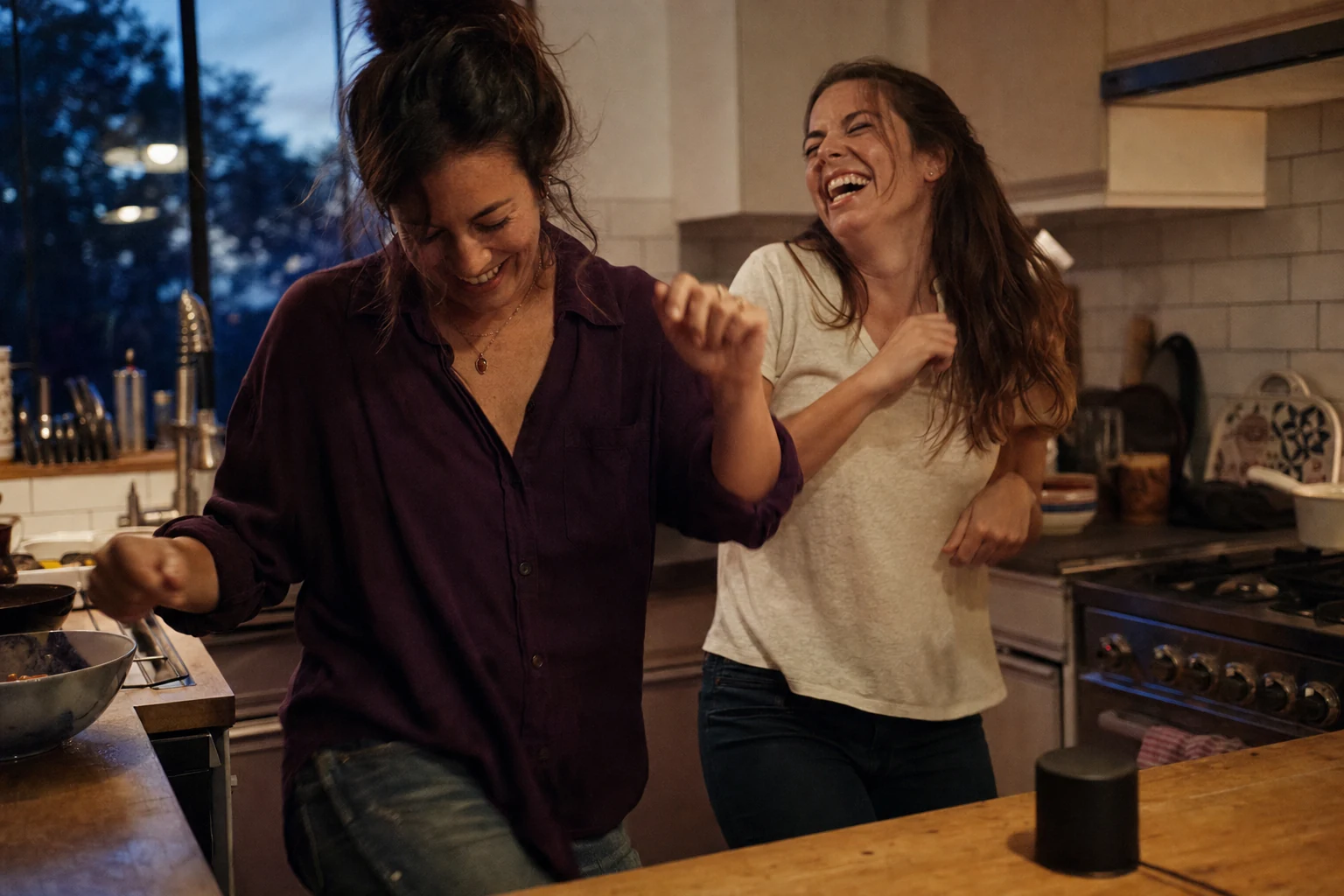
A kitchen first listen can turn an inside joke into movement without a formal audience. A direct message works across distance and gives her time to receive complicated gratitude. A birthday room needs a short, public-safe version. A wedding morning can hold shared childhood detail, but anything about partners, parents, rivalry, identity, or family conflict should be reviewed. A reunion track must not appoint one sister as spokesperson for everyone who grew up in the household.
Download the file, test the speaker, confirm names, and let the sister hear the full version before posting or circulating it in family chat. If the song includes repair, make the first listen private and do not attach a request for forgiveness. Ask what may be shared afterward. The gift works when it says, ‘I remember where we came from, I see how you show up now, and I choose this relationship too’—without claiming ownership of her reaction or her version of the past.
Playful, private, low-pressure, and ideal for a song with physical humor, shared music, and adult joy.
Useful across distance or for restrained gratitude; give her time and do not demand an immediate reply.
Use approved public details, clear length and cue, and no unresolved family truth introduced as entertainment.
Private, modest, responsibility-aware, and free from pressure to forgive, agree, reunite, or perform emotion.
Story examples
These are transparent story examples, not fake audio demos. They show how real details become a creative direction and a singable lyrical moment.

Story Example
Naomi writes a birthday song for younger sister Jules. They divided a shared bedroom with purple tape, fought over one denim jacket, and invented a whistle for warning when parents were coming upstairs. As adults, Jules calls before every difficult family gathering and respects Naomi's boundaries. The party edit can use the tape and jacket, but not family conflict.
Direction: 1990s-inspired pop-rock with crunchy guitar, live drums, and a fast first verse. Use the tape line as comic structure, make the adult call the sincere turn, and keep the family conflict outside the public lyric.
Story Example
Twins Salma and Daria now live in different countries. They remember the same family road trip differently, but both kept photos of rain on opposite car windows and the game of naming towns they passed. As adults they send one unedited photo every Sunday. Avoid calling them two halves, identical, psychic, or inseparable.
Direction: Bright indie with interlocking guitars and two distinct vocal textures that meet only in the chorus. Treat the opposite windows as valid perspectives, use the Sunday photos as chosen adult closeness, and never merge the twins into one identity.
Story Example
Priya writes for chosen sister Mel, whom she met as an adult in a community kitchen. They did not grow up together, but now exchange recipes, call during difficult family weeks, and once talked for three hours while each baked the same bread. Use sister because both claim it. Do not imply a shared childhood or disclose family details.
Direction: Warm acoustic with close harmony used sparingly, brushed percussion, and kitchen sounds suggested through rhythm. Begin with flour on the phone screen, let the shared bread replace inherited history, and make the chorus about choosing a family word deliberately.
Keep exploring
Creatune Personalized Songs
A birthday song that knows the person
Chosen history, without a romantic script
Questions before you create
Include the kind of sister relationship, one shared room or family-system memory, a safe inside joke, one friction or repair detail if appropriate, how she chooses to show up as an adult, the message, occasion, audience, and music you both recognize. Add privacy exclusions and pronunciation.
Use a habit or story she already jokes about and would tell in the intended room. Avoid body, age, health, identity, relationships, fertility, money, parenting, achievement, insecurity, and private mistakes. Give her the full version first and make a public-safe edit when needed.
Yes, but keep it private and modest. Acknowledge distance accurately, take responsibility where needed, and do not use the song to force agreement, forgiveness, contact, or a public reaction. If the main job is apology, use the apology-song flow instead.
Yes. Use the relationship title both people claim. Do not treat twins as halves or interchangeable, do not make an older sister a permanent parent, and do not invent a shared childhood for chosen sisters. Build the lyric from the history and adult choices that are actually yours.
Yes, after reviewing every family story and private joke for that audience. Keep unresolved conflict, partners, parents, identity, health, finances, and embarrassing details out. Confirm the cue and backup file, ask before sharing a reaction, and review the relevant Creatune usage rights for video.
Your turn
Tell the agent where the truth should sit between teasing and gratitude, then add the adult action that makes closeness a choice now.
Create a song for your sister