Founder gift
Private origin, risk, doubt, values, and the relationship between founders without a sales claim or public call to action.
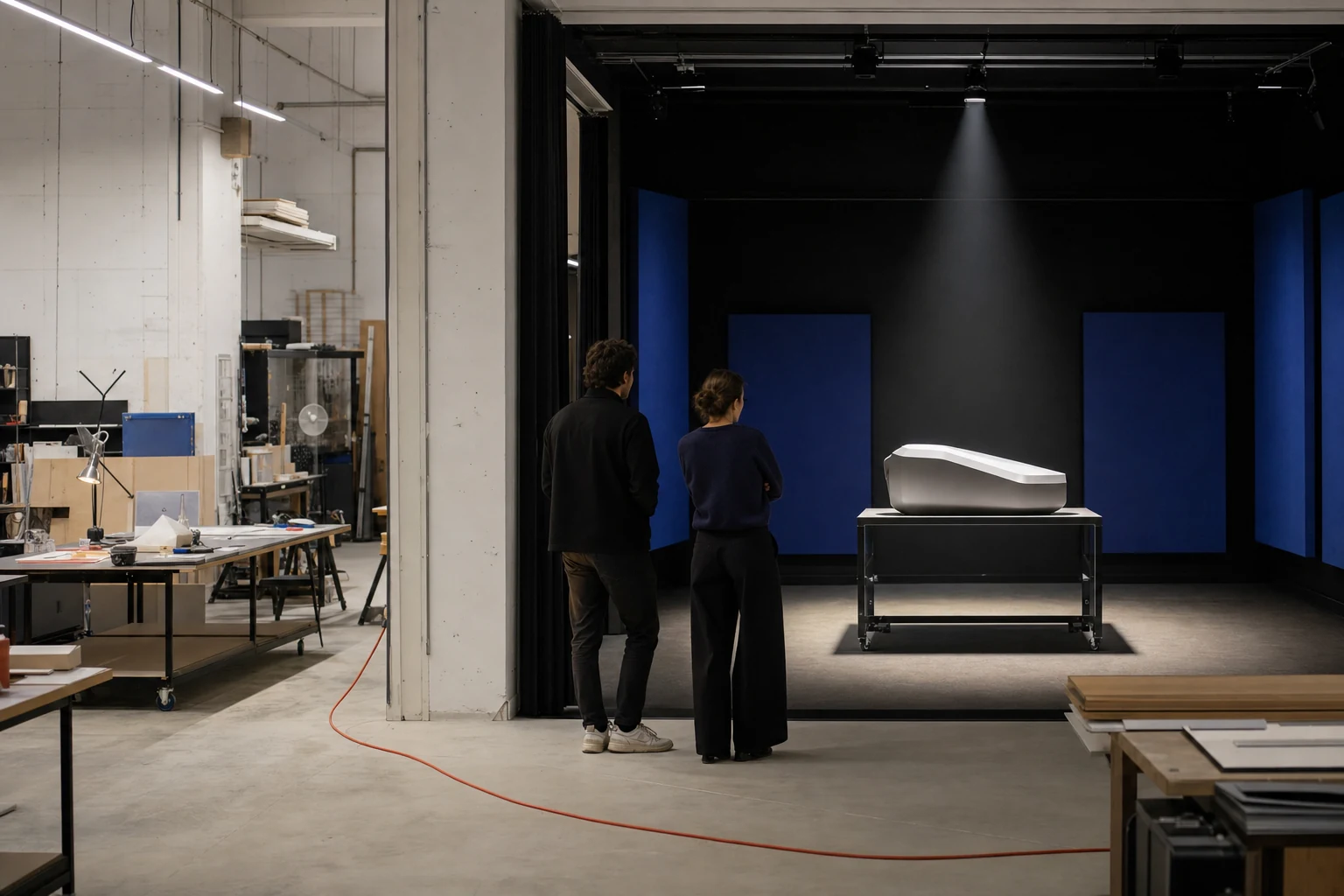
Before the brand had a room
Begin with the problem somebody noticed, the sketch that survived revision, the invoice that made the idea real, or the first customer who used the work. Then choose whether the song belongs to the founders, team, launch room, or brand film.
Start the song
Replace each blank with real names, moments, and details—the more specific you are, the less generic the song. Everything stays editable in the studio before anything is generated.
What you are making
A founder gift, team tribute, launch-room anthem, and brand film can share the same origin but they do different work. The founder gift may hold uncertainty and private sacrifice. The team tribute should distribute credit. The room anthem needs an early hook and clear cue. The brand film needs edit points, public facts, and rights appropriate to promotional use. Choosing the job first prevents one long lyric from trying to become biography, mission statement, commercial, and event soundtrack at the same time.
Creatune's agent collects the observed problem, first sketch or prototype, early risk, invoice or order, founder and team contributions, customer meaning, approved brand language, claims to exclude, launch timing, film length, playback system, and intended usage. The song stays grounded in evidence. It does not call the product revolutionary, market-leading, sustainable, trusted, inclusive, life-changing, or loved by customers unless those exact claims are substantiated and approved for the audience.
Choose the song job
For a founder gift, use the private starting point: the first risk, rejection, kitchen sketch, borrowed room, or moment the idea became a decision. Keep the customer call to action out. For a team tribute, identify distinct contributions and a shared result without listing departments. A launch anthem should orient the room and make participation easy. A brand-film song should support visuals and explain the verified human problem without narrating every product feature.
Define success for the track. Should founders feel seen, should a room move from waiting to celebration, should a film make the origin understandable, or should the team hear how separate work joined? The answer controls point of view, length, lyric density, chorus language, and rights review. If two jobs are necessary, create separate edits from the same approved brief rather than forcing private founder material into a public campaign asset.
Private origin, risk, doubt, values, and the relationship between founders without a sales claim or public call to action.
Selected contributions, changed capability, shared language, distributed credit, and a chorus the internal room can recognize together.
Fast context, early hook, clear cue, verified mission, room energy, and enough instrumental space for applause or product reveal.
Public-safe origin, customer problem, visual edit points, rights review, and language that remains accurate outside the launch event.
The founder evidence board
An origin becomes memorable through material evidence: the prototype held together with tape, the invoice paid before the logo existed, the spreadsheet with five customer calls, the first rejected permit, the sample carried on a train, or the order fulfilled from a spare room. Choose one object and one decision. Explain the problem observed in language a customer would recognize, then show what the founders or team did—not what the market supposedly felt.
Distribute contribution accurately. One founder may have identified the need, another built the first workable system, another earned the first customer trust, and an early employee may have turned improvisation into repeatable service. Avoid mythology that erases contractors, family labor, community knowledge, or the person who left. Verify dates, ownership, quotations, and customer stories. If a story cannot be approved, abstract it to the action or remove it rather than filling the gap with plausible fiction.
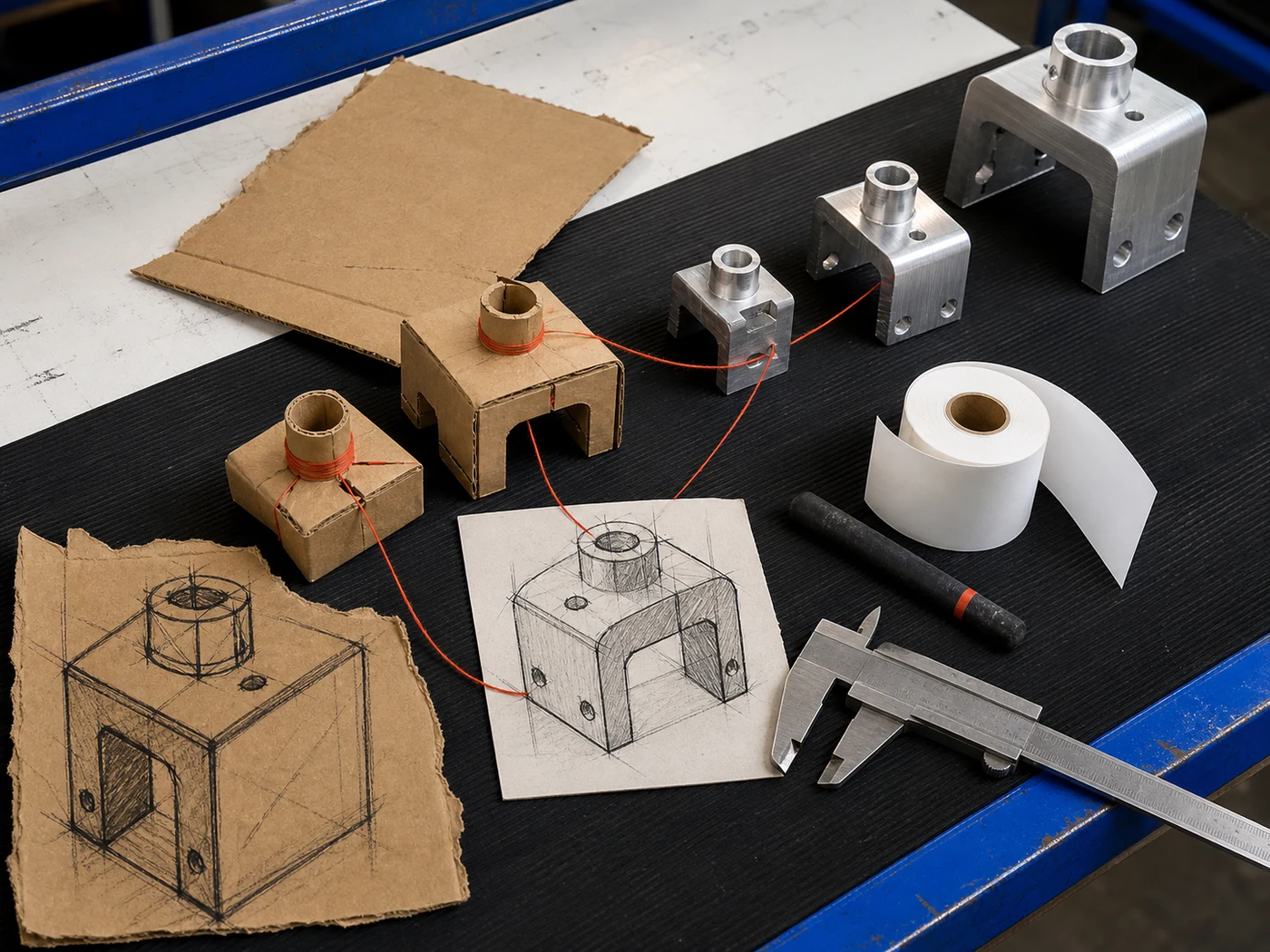
A real friction, cost, delay, missing experience, or underserved need described without inflating scale or universalizing one founder's view.
Time, reputation, money, career move, public commitment, or difficult choice stated at an approved level of privacy.
Prototype, invoice, order, test, repeat user, signed venue, completed service, or other verifiable moment the idea met reality.
Distinct contributions joined into a capability, with credit checked by people who know the actual origin rather than the cleanest legend.
Claims and usage checklist
Review every superlative and implied fact. ‘Built for people nobody heard’ may imply research or representation. ‘Changing the industry’ claims impact. ‘Clean,’ ‘safe,’ ‘sustainable,’ ‘ethical,’ ‘accessible,’ and ‘trusted’ can carry legal and operational meaning. Replace broad claims with approved purpose and evidence: we shortened one process, designed with a named group, repaired a recurring failure, or created a place for a specific activity. Legal and brand review should happen before public production, not after music makes the phrase catchy.
Usage matters. A private founder gift, internal event, public launch, paid advertisement, social campaign, investor film, trade-show loop, and customer onboarding asset may require different rights and contributor consent. Review the license included with the current Creatune plan and any third-party material, names, voices, footage, marks, or quotes. Do not imitate a real artist or copy a known brand sonic identity; specify tempo, instrumentation, dynamics, era, texture, and emotional function instead.
Customer, performance, market, impact, sustainability, accessibility, scale, date, and founder claims against approved evidence.
Confirm brand names, quotations, contributor stories, trademarks, supplied lyrics, recordings, images, and other material are authorized.
Match the applicable Creatune plan and other rights to internal, public, paid, broadcast, film, event, or recurring brand use.
Use instruments, rhythm, dynamics, vocal texture, and emotional behavior instead of asking for a living artist or recognizable campaign imitation.
From backstage to room
Map the event sequence: doors, host introduction, founder walk-on, product reveal, film, demonstration, customer story, applause, and transition. Choose where the song begins and whether it should carry speech, stop for a reveal, or continue underneath movement. Provide instrumental space around important names and claims. A cinematic electronic build can support projection, bold indie rock can move a live room quickly, and modern funk can hold a repeated event hook without becoming a corporate march.
Name one playback owner and one backup owner. Export the final approved master and any timed edit, test them through the venue system, carry offline copies, and verify the exact version with the producer. Projection computers, presentation notifications, and conferencing audio can interrupt playback; isolate the file and disable alerts. If the event cue fails, the host should be able to continue and start the song afterward. The launch story must remain understandable without one fragile technical moment.
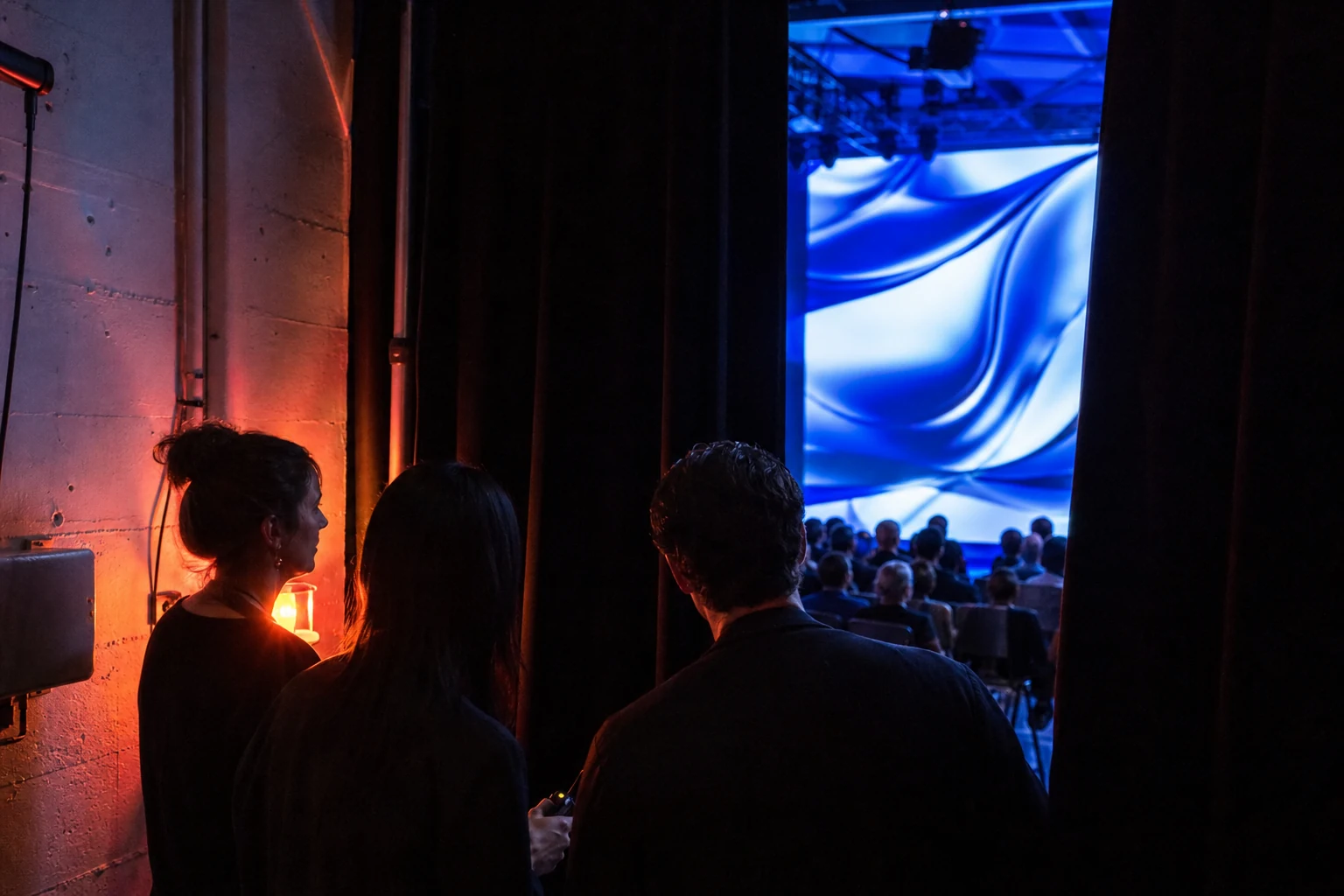
Use a recognizable opening, controlled length, and enough energy for movement without placing a crucial lyric under applause.
Align a musical change with the product, name, film, or stage action and leave the producer a clear cue marker.
Provide edit points, instrumental breathing room, public-safe facts, caption-readable lyrics, and a duration matched to the actual cut.
Keep offline masters on two devices, isolate notifications, test venue routing, and authorize a human sequence that works when the cue moves.
Story examples
These are transparent story examples, not fake audio demos. They show how real details become a creative direction and a singable lyrical moment.
Story Example
Two founders built a repair-parts marketplace after watching independent workshops wait weeks for basic components. The private song should mention a taped prototype database, the first invoice paid before the brand name was final, and six months working from opposite time zones. Do not claim market scale or use a customer name.
Direction: Cinematic electronic with granular percussion, a restrained synth build, and a human close vocal. Let the invoice act as first proof, make opposite clocks the relationship motif, and keep the chorus about choosing to make repair possible rather than disrupting an industry.
Story Example
A neighborhood food hall launches with twelve independent vendors. The song should welcome the opening room, credit many hands without listing every business, and use the shared early-morning ritual of rolling shutters and testing lights. Avoid claims about revitalizing the district or representing every local culture.
Direction: Modern funk with hand percussion, clipped bass, bright brass touches, and a six-word response for vendors and staff. Start with shutters and lights, let the room hook arrive before doors open, and credit every vendor in event materials rather than forcing names into lyrics.
Story Example
A furniture studio's launch film follows a modular chair designed after observing small community venues constantly move seating. Mention the first cardboard model losing a corner during testing and the decision to repair rather than hide it. Do not call the product sustainable, accessible, safer, or revolutionary without separate approved evidence.
Direction: Bold indie rock with dry drums, textural guitar, and instrumental gaps for prototype footage. Use the missing corner as a design-change motif, keep the mission to adaptable rooms, and avoid unverified material or performance claims.
Keep exploring
Creatune Personalized Songs
The first title after all the trying
Recognition before the announcement
Questions before you create
Include the song's exact job, the observed problem, one first risk, one verifiable prototype, order, invoice, or customer moment, accurate founder and team contributions, approved mission language, claims to exclude, event or film timing, and intended usage. Review confidentiality, contributor consent, pronunciation, and rights before public generation.
A business-launch song can tell the founder origin, recognize a team, or structure a launch event; it does not need to repeat a sales slogan. A jingle is usually shorter and campaign-driven. This page prioritizes verified story and playback purpose, then requires separate claims and usage review for public promotional use.
Only when the specific claim and story are documented, approved, and appropriate for the audience. Remove identifying customer information without permission and avoid superlatives or implied endorsements. Prefer one verifiable problem, action, and early proof over statements that the product is leading, revolutionary, sustainable, trusted, or changing an industry.
Review the usage rights in the current Creatune plan for the intended public, commercial, paid, broadcast, event, or recurring use. Also confirm rights for supplied lyrics, names, marks, quotes, footage, and voices. Create an approved public edit with verified claims, timing, captions, and contributor consent.
Describe the job and musical features: tempo, rhythm, instrumentation, dynamics, vocal texture, era, density, and emotional curve. For example, request a restrained electronic build with mechanical percussion and applause space. Do not request a living artist imitation, recognizable melody, or another company's established sonic identity.
Your turn
Tell the agent who the song is for, which proof is verified, what the room should do, and where public claims and usage must stop.
Create the business-launch song