Arrival
A family-approved doorway, weather, object, first home moment, or waiting room of people—without private medical or legal detail.
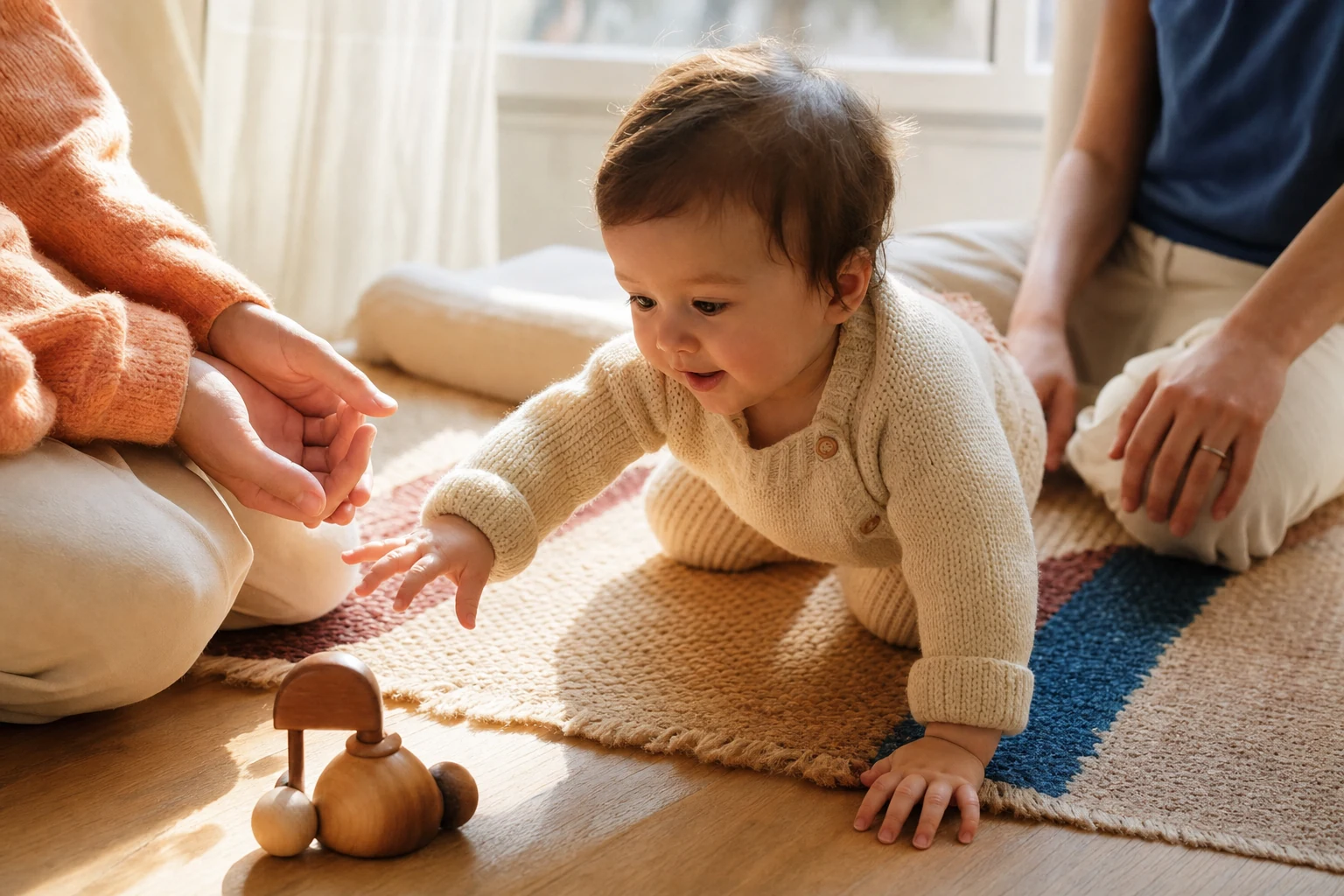
A first-year time capsule made to be heard twice
Begin with the laugh before waking, the blue spoon thrown from the same chair, the knee-first crawl, the window ritual, or the name only one caregiver says that way.
Start the song
Replace each blank with real names, moments, and details—the more specific you are, the less generic the song. Everything stays editable in the studio before anything is generated.
What you are making
The one-year-old will not remember the party or supply the story, so a personalized first birthday song has two audiences. The room today needs warmth, recognition, and a cue that fits a child-centered celebration. The older child who may hear the track later needs an honest record of how caregivers learned them: the first sound everyone replayed, the food rejected with theatrical precision, the route that produced sleep, the expression that appeared before a laugh, and the personality already visible without turning infancy into destiny.
Creatune gathers the child's preferred name and pronunciation, caregiver point of view, birth-to-one moments, firsts, sensory family details, present traits, privacy boundaries, and the message intended for a future listen. The agent does not make the child narrate memories they cannot have or reveal birth, feeding, fertility, adoption, health, sleep, family, or caregiving information just to make the lyric emotional. The goal is a time capsule with enough music for the day and enough truth for later.
Arrival → recognition → movement → now
The archive becomes memorable when one detail can carry a whole season.
Start with arrival only if the family wants it included. The scene can be a doorway, weather, quiet drive, blanket, first night at home, or the people waiting—without publishing medical, legal, fertility, or adoption history. Recognition follows: the first smile that seemed directed, a laugh triggered by the same sound, a calm response to one voice, or the way the child searched the room. Movement adds a physical verb: rolling toward the window, bottom-shuffling, climbing one low step, knee-first crawling, dancing before standing, or reaching for the same cupboard. ‘Now’ shows the one-year-old as the family meets them today.
Choose two or three scenes, not a complete developmental report. Babies reach milestones differently, and a gift song should not compare the child with a chart, sibling, or peer. Avoid claims such as future athlete, genius, heartbreaker, leader, or troublemaker. Translate a current trait into observation: ‘you study every hinge before touching it,’ ‘you greet the dog before the room,’ or ‘you clap when the kettle clicks.’ The final line can address the future listener: not ‘you always were fearless,’ but ‘before you knew the word brave, you kept returning to the step.’
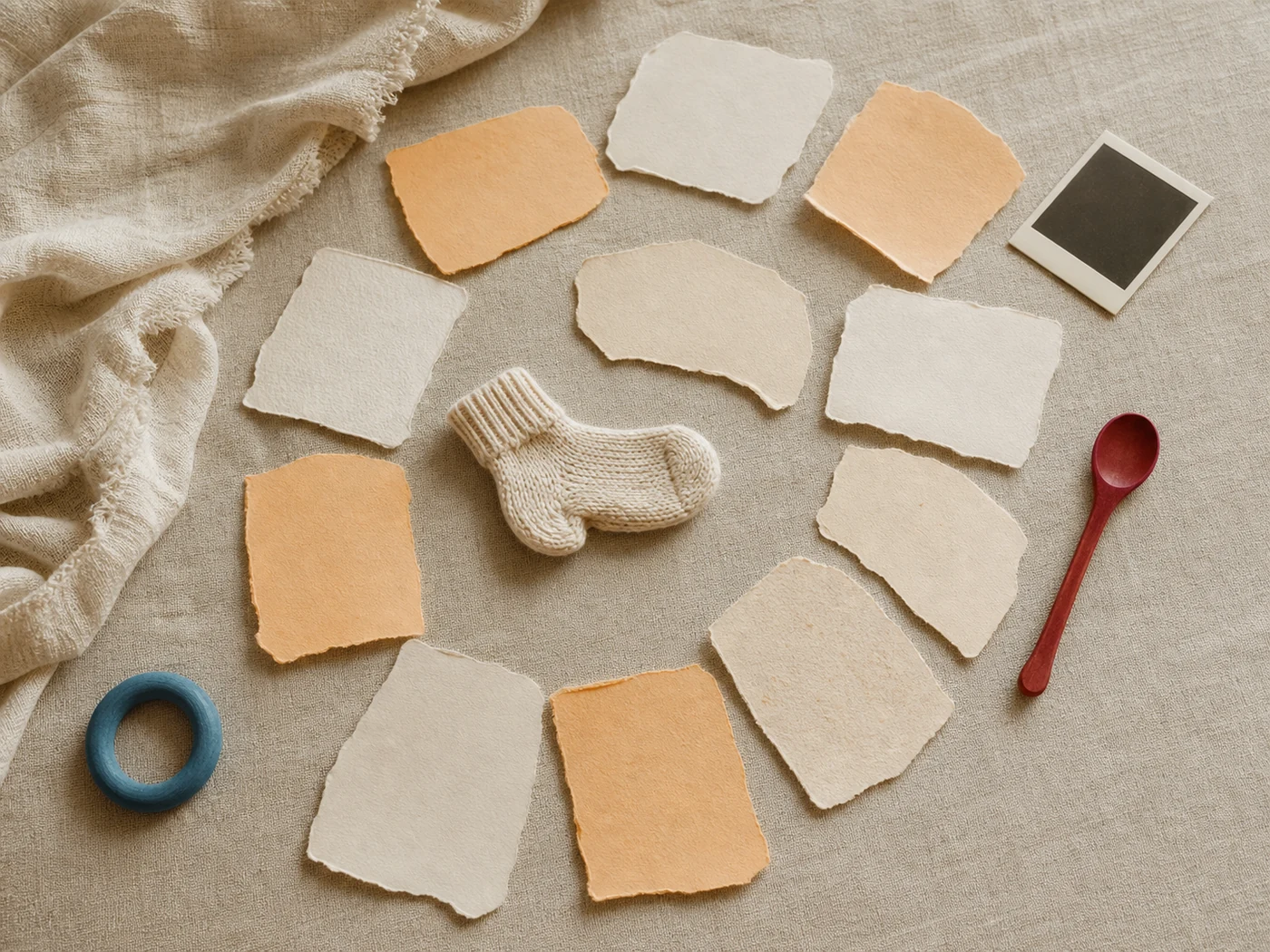
A family-approved doorway, weather, object, first home moment, or waiting room of people—without private medical or legal detail.
The laugh, gaze, sound, voice, face, song, or repeated interaction that first felt reciprocal to a caregiver.
One distinctive way the child reached, rolled, crawled, bounced, pointed, climbed, danced, or explored.
An observable present trait, favorite object, sensory ritual, and message the older child can hear without being assigned a fixed identity.
Who owns the first-year story?
Parents, grandparents, siblings, foster carers, adoptive parents, chosen family, and other caregivers may hold different parts of the year. Ask each contributor for one moment they directly witnessed and one feeling or change they can own in first person. Cluster the scenes rather than voting for the most dramatic. If one caregiver remembers the night route and another remembers morning light on the play mat, both can exist without claiming every day felt the same. Review any use of ‘we’; caregiving labor and access are rarely identical, and a collective chorus should not erase that difference.
Protect the child's future privacy. Birth circumstances, early illness, feeding, sleep, disability, family formation, parental mental health, finances, conflict, and images of the child require deliberate boundaries. A sensory detail can remain specific without disclosing its cause. ‘We counted blue tiles down the hallway’ may be enough. Confirm nicknames and pronunciation. If several languages are part of home life, include only phrases family speakers review for meaning and singability; do not decorate the song with guessed words or imitate an accent.
A narrow first-person archive with direct memories and no claim to represent everyone who shared the year.
Distinct witnessed scenes, reviewed collective language, and contributor credit outside the lyric rather than a name list.
Age-appropriate observation, a real shared ritual, and no demand that the sibling perform automatic closeness or responsibility.
The child and adults keep control over birth, health, family formation, photographs, and future public sharing.
Party cue or future keepsake
A bright nursery-pop direction can use hand percussion, marimba color, acoustic guitar, a narrow singable range, and a short name hook before the cake. It should not become a generic children's jingle; keep one unusual object or action in every section. Gentle folk suits a quieter family gathering and lets caregiver voices remain close. A cinematic keepsake can begin with a small music-box or piano texture and widen only when the future-facing message arrives. Avoid an oversized emotional climax that turns the child into a symbol for adult struggle.
Choose length by use. A cake moment may need ninety seconds to two minutes, a clear name cue, and an ending that does not continue under candles and instructions. A photo film can support a longer timeline while the lyrics stay selective. A private keepsake can hold more nuance, including uncertainty and the caregivers' learning. Keep volume comfortable for a young child, leave instrumental space around crowded party noise, and do not depend on everyone singing. The best arrangement lets adults recognize the archive without making the child endure a performance built for cameras.
Compact rhythm, playful acoustic color, simple name hook, and concrete details that keep the song personal.
Close vocal, tactile instruments, patient storytelling, and a warm chorus suited to a smaller room.
Small opening, controlled expansion, future-listen message, and no dramatic destiny assigned to the child.
Visuals carry monthly change while the lyric focuses on a few emotionally durable first-year scenes.
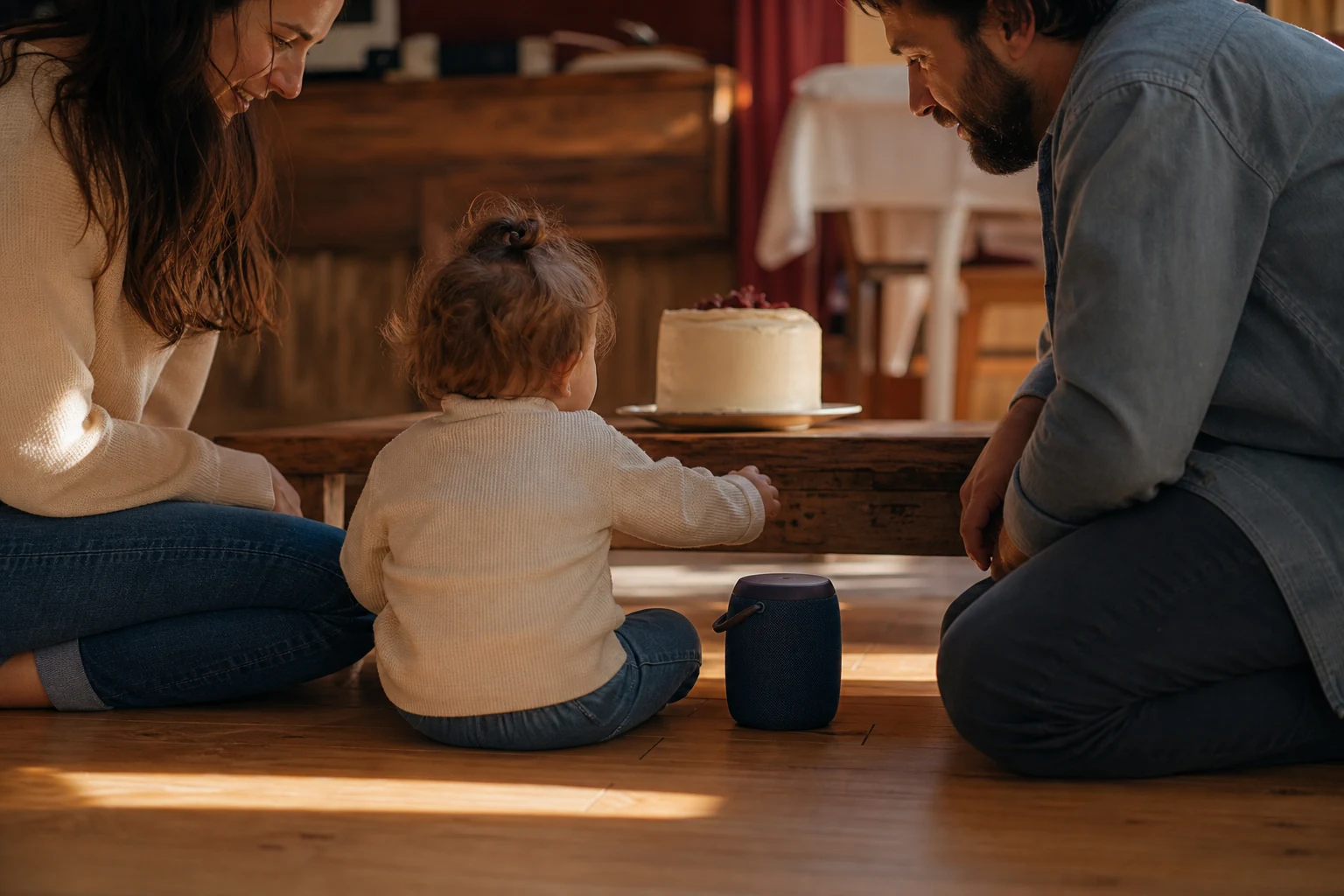
Cake, camera, file, future
Before the party, test the exact track at the room's real volume. Download it to two devices, turn off notifications, label the final version clearly, and tell one person when to start. Decide whether it plays before the cake, under a photo film, after a quiet family toast, or privately when the room has emptied. Avoid forcing the child to stay still, repeating the song for a better reaction, or placing a speaker too close. The celebration can adapt to the child instead of asking the child to perform the plan.
Store the audio, lyrics, compact brief, date, contributor names, and a note explaining the objects behind the lines in a family-controlled location. Keep a second copy. If photos or video accompany the song, review who may see them now and later. Do not treat a private family link as permanent privacy. The file may outlive platforms, relationships, and today's sharing norms. A useful archive lets the older child understand where the story came from and gives them authority over whether it remains public.
Short cue, comfortable volume, one operator, no requirement that the child face a camera or stay in place.
Best for a reflective keepsake, caregiver nuance, or a child who is overwhelmed by a larger room.
Verified images and captions, selective lyrics, downloaded playback, and family permission for every contributor shown.
Audio, lyrics, brief, object notes, contributor credit, date, and child-controlled sharing preserved together.
Story examples
These are transparent story examples, not fake audio demos. They show how real details become a creative direction and a singable lyrical moment.
Story Example
Maya turns one. Her parents want to include the berry-red spoon she drops after every third bite, the laugh she makes when the kettle clicks, and her knee-first crawl toward the dog. Use her name after pronunciation review. Exclude feeding worries, birth details, and comparisons with cousins. The song plays before the cake and should work later as a funny keepsake.
Direction: Bright nursery-pop with acoustic guitar, marimba color, hand percussion, and a two-line name hook. Keep the spoon rhythm playful, make the kettle laugh the recognition moment, and end by telling future Maya that curiosity arrived before words.
Story Example
Eli's fathers remember walking seven blue hallway tiles before he settled at night, his first deliberate wave at a bus driver, and the way he now studies every wheel. Do not explain the hallway, mention sleep difficulty, or present mechanical interest as a future career. The song is a quiet family gift after guests leave.
Direction: Gentle folk with nylon guitar, low cello, brushed frame drum, and two close voices joining only in the chorus. Count the tiles once, let the wave open the outside world, and keep the future message about patient attention rather than destiny.
Story Example
A grandmother contributes a photo-film song for granddaughter Noor. The family remembers Noor pulling the curtain at six each morning, clapping at pigeons, and taking three careful steps between a chair and a cream blanket. Several caregivers will review ‘we.’ Exclude medical history and online posting. The final line is for Noor at age eighteen.
Direction: Cinematic keepsake with felt piano, soft strings, subtle room sound, and no large percussion. Let window light anchor the film, use the three steps as controlled build, and end with an open line about choosing her own morning.
Keep exploring
A birthday song that knows the person
A welcome made from the first true details
Creatune Personalized Songs
Questions before you create
Use the child's preferred name and pronunciation, caregiver point of view, two sensory first-year scenes, one distinctive movement or ritual, a present personality detail, the message intended for a future listen, family privacy boundaries, and whether the song serves the cake, a photo film, or a quiet keepsake.
Yes. Add the name the family actually uses and a pronunciation guide based on how it is spoken, not guessed spelling. A short name hook can help a party song, but the lyric should still contain real objects and actions so personalization does not depend on repeating the name.
A new baby song welcomes arrival and the immediate family transition. A first birthday song looks back across a completed first year, selects early sounds, movements, rituals, and emerging personality, then creates a keepsake the child may hear later. It should not pretend the child remembers those events.
Yes. Ask each person for one directly witnessed object, action, sound, or scene. Cluster the evidence, review any use of ‘we,’ and credit contributors outside the lyric. Do not let the most dramatic adult story override the child's privacy or turn the song into a family roll call.
Use a short final version, comfortable volume, a downloaded backup, notifications off, and one cue owner. Play it before the cake or under a photo film without requiring the child to sit, sing, or react for a camera. Adapt the plan when the room becomes overwhelming.
Your turn
Bring one sound, one movement, and the message this child should hear later. The agent will build a first-year time capsule around them.
Create a first birthday song