The contest
A score, race, game, argument, skill, or family comparison that created friction and a language only the siblings understand.
Care that usually arrives in motion
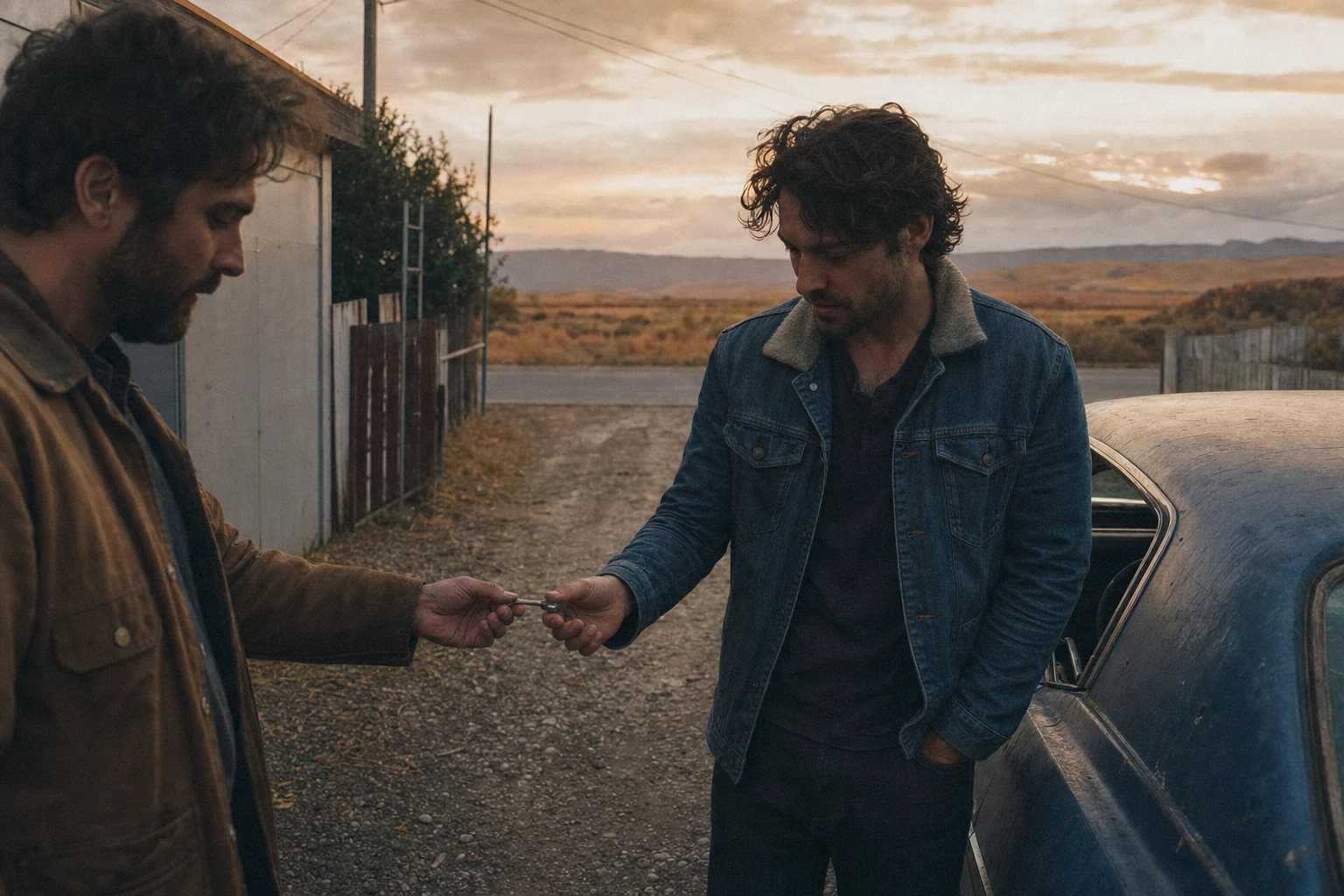
Start with the game nobody could lose calmly, the key left under a tire, the repair attempted twice, the ride home with no questions, or the joke that made a difficult room survivable.
Start the song
Replace each blank with real names, moments, and details—the more specific you are, the less generic the song. Everything stays editable in the studio before anything is generated.
What you are making
Sibling affection is often stored in verbs rather than declarations. A brother waits beside a broken-down car, sends a score without context, takes the difficult seat at a family event, replaces a loose hinge, remembers which joke can interrupt a spiral, or argues fiercely and still appears at the airport. A useful song does not translate every action into sentimental language he would never use. It lets the behavior remain recognizable, then gives the listener one clear sentence about why it mattered.
Creatune asks whether the relationship is older brother, younger brother, twin, stepbrother, chosen brother, or another sibling structure; who is giving the song; what the current distance feels like; and what occasion creates the opening. The agent records competition, a shared hobby, a practical support moment, family-system history, inside language, conflict or repair, public-safe teasing, and the musical vocabulary the brother can receive. The aim is not to make him emotional on command. It is to return evidence of a relationship in a form that respects its real volume.
The action-over-sentiment builder
A ride, repair, contest, handoff, or repeated check-in can carry more truth than a page of brother clichés.
Build an inventory in four columns: what you competed over, what you built or practiced together, what he did when plans failed, and what he still does now without asking for recognition. Competition might be basketball in a narrow driveway, who controlled the music, a board game whose rules changed mid-match, or two careers the family compared unfairly. Shared work might be repairing a bike, moving apartments, learning chords, translating for relatives, or keeping a parent company during appointments. The adult column shows whether the original pattern matured into loyalty, distance, humor, or a more deliberate kind of contact.
Choose one action with a location, object, and consequence. ‘He was always there’ becomes the spare key taped under the old bumper and the two-hour drive after a missed train. ‘We fought but stayed close’ becomes a cracked controller, three silent days, and the replacement he left outside the bedroom. Do not over-explain the symbol. Let verse one show the object, verse two reveal its adult echo, and reserve the chorus for what the giver finally understands. That structure keeps the lyric grounded even when the message becomes direct.
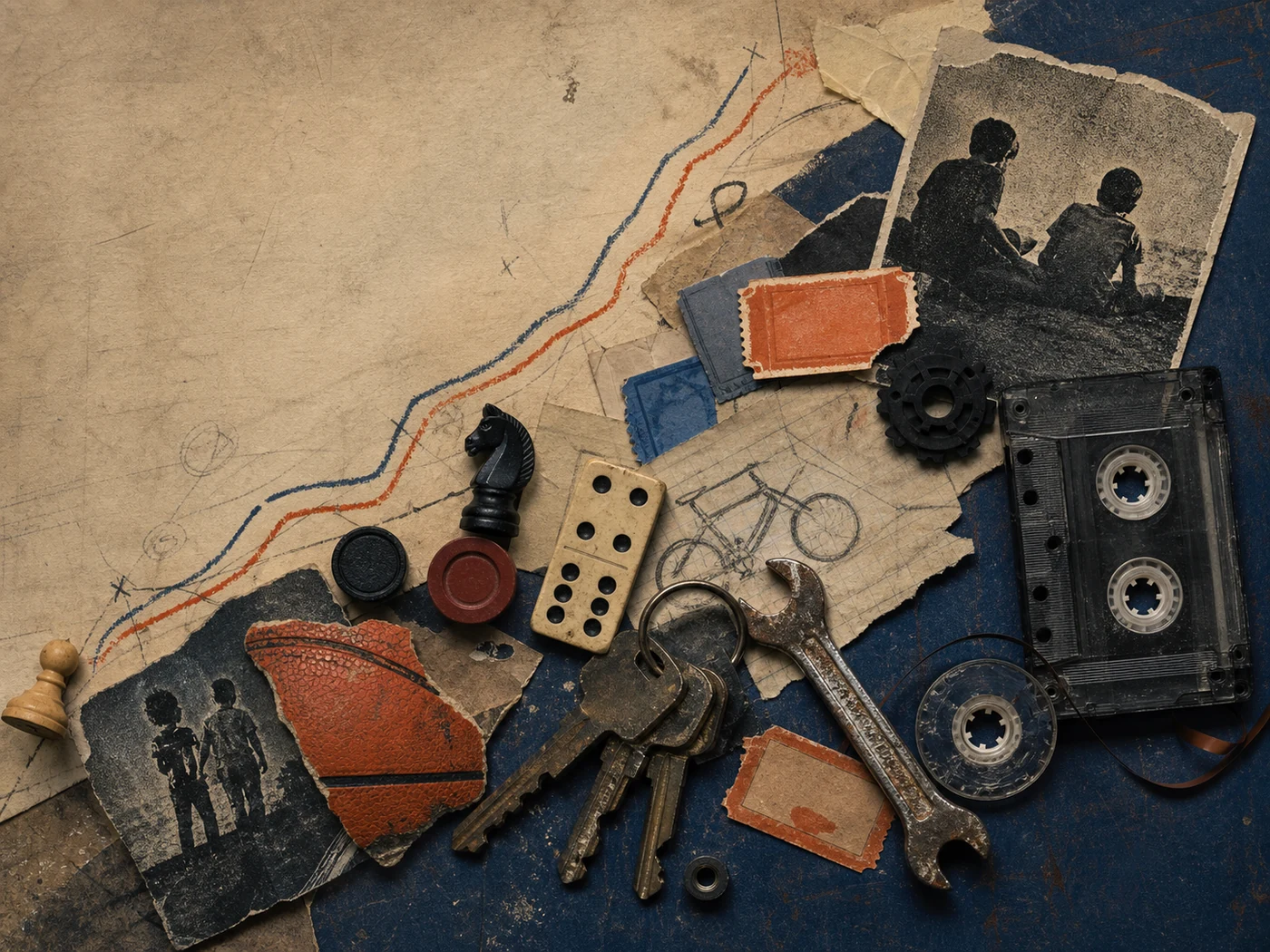
A score, race, game, argument, skill, or family comparison that created friction and a language only the siblings understand.
A ride, repair, spare key, meal, couch, phone call, or quiet arrival that proves care through action.
A link, score, nickname, object, phrase, or tiny check-in that still crosses the distance now.
How both people make room for the relationship beyond childhood roles, obligation, or family expectation.
Roast, respect, nostalgia, repair
A roast-forward song works when teasing is mutual, specific, and safe outside the private archive. It can mention the impossible parking method, the same jacket in every photo, a dramatic victory dance, or the confidence with which he repairs the wrong part. It should not use body, income, education, relationships, fertility, health, identity, grief, emotional reserve, or a humiliating failure as entertainment. If the room would laugh because he cannot object without looking difficult, the line is not affectionate evidence. Remove it.
Respect does not require turning him into a protector or provider. Name judgment, craft, patience, curiosity, humor, recovery, accountability, or the ability to ask for help. Nostalgia should include change: the shared driveway can open the song, but the adult chorus should recognize who he chose to become. Repair needs the most care. A gift song can acknowledge that both siblings learned to listen, apologize, or stop repeating a family pattern; it cannot declare reconciliation complete, assign equal blame automatically, or surprise him with an emotional verdict in front of relatives.
Recognizable habits and shared competition, with one sincere bridge and no joke that depends on public embarrassment.
Practical evidence, restrained language, and admiration aimed at character rather than masculine obligation.
One childhood place connected to a present choice, not a claim that the relationship never changed.
Accurate responsibility, modest claims, private delivery, and no chorus that demands forgiveness or reunion.
Emotional volume
Indie rock can hold movement, imperfect guitar, a lived-in drum sound, and a chorus that opens without becoming ceremonial. Laid-back hip-hop works when the story depends on objects, routes, timing, and conversational detail; specify dry drums, warm bass, a spoken-flow verse, and a melodic hook rather than naming an artist. Roots acoustic suits a relationship built through work, distance, family places, and direct language. Soul or piano can work too when the brother welcomes emotional clarity, but intensity should follow the person rather than the occasion.
Decide who is speaking. One sibling can use ‘I’ and admit a truth without claiming to represent the family. Several siblings can use separate verse evidence and a carefully reviewed ‘we’ in the chorus. A parent should not write through one child and present the result as sibling testimony. Keep age, dialect, faith, and cultural language accurate to the contributors. Confirm nicknames and pronunciation, and translate a family phrase for meaning instead of using a caricatured accent or invented phonetic spelling.
Textured guitar, human drums, forward motion, and a chorus with lift but no forced stadium emotion.
Concrete scenes, conversational cadence, warm bass, and room for humor to turn quietly sincere.
Wood, strings, road detail, family geography, and language that sounds direct rather than decorated.
Closer vocal, patient groove, and enough space for one explicit line of gratitude to land.

Let him receive it his way
Side-by-side listening often removes the demand for eye contact or an immediate speech. Try the car after a familiar route, a garage while finishing a project, headphones inside a gift, a backyard after other guests leave, or a link sent with a short note that does not instruct him how to feel. Let the track finish. Do not point a camera at his face, ask whether he cried, or publish a reaction because the gift seemed successful. The recipient owns what happens after hearing family history sung back to him.
For a birthday, wedding morning, reunion, or family table, create a public-safe edit. Confirm every nickname, remove partners' stories and private conflict, keep teasing proportionate, download the file, test the actual speaker, and appoint one person to start it. If current distance or estrangement is central, deliver privately and make the lyric truthful about the present. A song can say that the door remains open; it should not use relatives or an audience to push someone through it.
Natural for action-based memories, shared projects, and a brother who prefers doing something while listening.
Useful for restrained emotion, uninterrupted playback, and conversation that can begin after the song ends.
Use a reviewed public edit with safe teasing, confirmed names, tested sound, and no forced reaction capture.
Send a downloaded or private link with context, then give him time to respond in his own language and pace.
Story examples
These are transparent story examples, not fake audio demos. They show how real details become a creative direction and a singable lyrical moment.

Story Example
Nina writes for her younger brother Elias on his fortieth birthday. They competed over everything, broke one controller, and stopped speaking for three days. Years later, Elias drove two hours when Nina missed the last train and left a spare key under her tire during a difficult move. Keep their parents, his former relationship, and the reason for the move out. The public chorus may play at dinner; the full song is private.
Direction: Grainy indie rock with dry drums, low guitar, and a chorus that widens only after the second verse. Use the controller briefly for humor, make the spare key the adult echo, and praise reliable judgment rather than calling him a hero.
Story Example
Malik thanks his older brother Jonah after finishing an apprenticeship. As teenagers they fixed bicycles behind their building. When Malik nearly quit, Jonah collected him after a late shift, bought noodles, and asked only what the next practical step was. Do not mention money, grades, or the private family conflict behind the hard year.
Direction: Laid-back hip-hop with dusty drums, round bass, bicycle-click percussion, and a sung four-line hook. Keep the pickup conversational and let the chorus say that care can arrive as a next step rather than a speech.
Story Example
Theo creates a private song for stepbrother Sam before Sam moves abroad. They did not grow up together from birth, but shared seven summers, learned to fish badly, and became close while coordinating care for an elderly relative. The message is continued contact without claiming a childhood they did not share.
Direction: Roots acoustic with low mandolin, brushed snare, and two vocal textures joining only in the final chorus. Use two separate roads rather than identical roots, and make future contact a chosen practice rather than a permanent guarantee.
Keep exploring
Creatune Personalized Songs
Affection with the family truth left in
Chosen history, without a romantic script
Questions before you create
Include the sibling structure, current relationship, one shared contest or hobby, one practical support action, an inside signal he would recognize, the truth ratio between teasing and gratitude, the occasion, and how he will hear it. Concrete verbs and objects usually feel more authentic than generic brother praise.
Yes. Use a mutual joke, harmless habit, failed repair, game, or repeated argument whose stakes are now genuinely low. Exclude body, money, education, relationships, identity, health, grief, and any story he could not comfortably stop in a public room. Let a sincere bridge reveal why the funny detail matters.
A brother song can use birth order, shared family systems, rivalry, childhood roles, stepfamily history, and the way siblings renegotiate closeness as adults. A best-friend song must prove chosen friendship through its own eras and should not borrow family history that does not exist.
Yes. Keep the lyric action-led and choose restrained rock, hip-hop, acoustic, or another style he already receives comfortably. The chorus can say one direct thing without changing the relationship's entire vocabulary. Side-by-side or private playback also removes pressure for an immediate emotional response.
It can offer an accurate memory, acknowledge your responsibility, and state that contact is welcome. It should not declare the conflict resolved, assign equal blame automatically, expose private history, or use a family audience to pressure reconciliation. Deliver a repair-oriented song privately and keep its claim modest.
Your turn
Bring one contest, one practical act, and the language your brother can receive. The agent will help the care become audible without sanding away the truth.
Create a song for your brother