Then
One wedding or early-marriage image that shows what the couple hoped, without retelling the full origin or anniversary timeline.
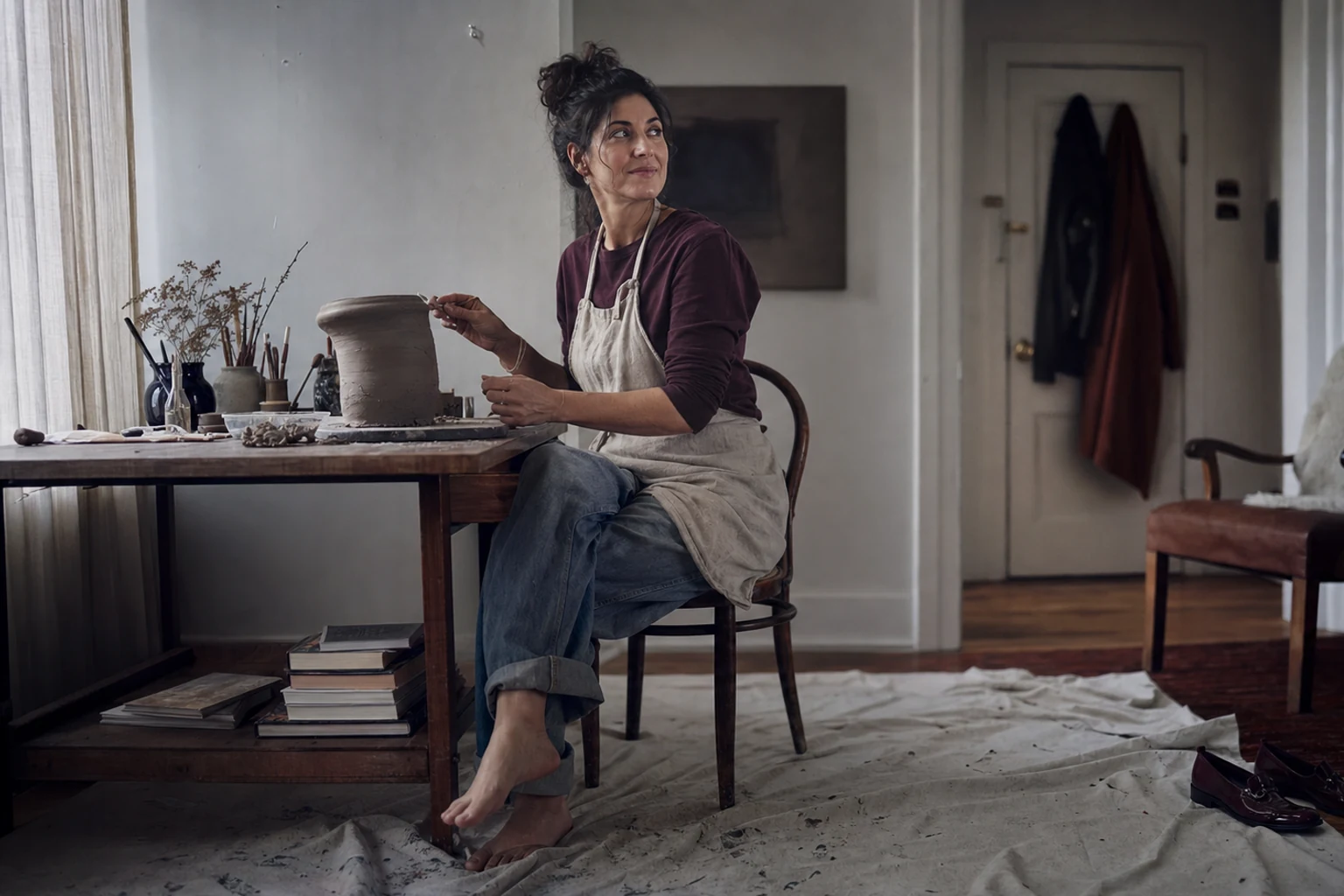
The marriage after the photographs
Begin with an ordinary married day: the message sent before anyone asks, the work that keeps several lives moving, the joke that survived a difficult year, the kitchen light after everyone sleeps, or the way she still turns toward you when the room gets loud.
Start the song
Replace each blank with real names, moments, and details—the more specific you are, the less generic the song. Everything stays editable in the studio before anything is generated.
What you are making
Wedding photographs preserve a promise at its most visible. Marriage is built in less visible places: before-work messages, recurring errands, care during hard weeks, negotiated responsibilities, private desire, repaired misunderstandings, family boundaries, late meals, and the ability to make an ordinary room feel like a shared life. A song for a wife has a distinct job when it names what the giver notices now—after the ceremony stopped being the main story.
Creatune asks for the stage of marriage, preferred name and pronunciation, the ordinary day the song should enter, what she carries or creates, which labor has gone unseen, a shared challenge that is safe to mention, family roles without stereotypes, continued affection or desire, the message rarely said, the occasion, and listening privacy. It balances romance, gratitude, and team language without turning a wife into a list of services or rewarding self-erasure as love.
Wedding photo versus lived marriage
Choose one wedding-day image only as contrast: immaculate clothes versus paint on an old apartment floor, formal vows versus the phrase used to end a tense day, a planned first dance versus dancing around boxes after a move. Then leave the ceremony behind. Ask what the giver sees now that could not have been known then. She may make decisions under pressure, keep friendships alive, create traditions, protect rest, pursue work, parent, care for relatives, repair a room, name a boundary, or keep humor available when plans collapse.
Recognition should not become surveillance or praise for doing too much. If the song names invisible labor, it should also acknowledge the giver's responsibility and the couple's effort to share it. Avoid ‘you hold everything together’ when that sentence merely celebrates overload. A stronger line might thank her for naming what needed to change and commit to carrying the next part together. Lived marriage includes adaptation; gratitude becomes credible when it sees both the contribution and the person's right not to disappear inside it.

One wedding or early-marriage image that shows what the couple hoped, without retelling the full origin or anniversary timeline.
An ordinary action, decision, quality, ambition, boundary, or form of care the giver has learned to notice.
How responsibilities, repair, family, home, rest, or opportunity are being carried by both people rather than assigned by gender.
A present-tense decision grounded in lived evidence, not a copied vow or automatic promise of forever.
The lived-marriage lens
A gratitude-centered song can name what she does and what the giver will carry more actively. A romantic song should still use present-day evidence: the way she looks across a crowded kitchen, the walk after children or guests sleep, or the laugh that remains private inside a public day. Desire can appear in language the couple would actually share, but it belongs in a private version. A team-centered song may focus on a relocation, caregiving season, creative project, repaired home, or decision that asked both people to change.
Choose one primary lens so the song has an emotional job. If apology or unresolved conflict dominates, use the apology-song flow or a private conversation rather than hiding accountability inside praise. If the date and full relationship timeline dominate, the anniversary page is the better fit. This wife page remains person-led: what the giver notices about her now, how she exists beyond household roles, and why the marriage is still being chosen in the present tense.
Present-day attention, attraction, humor, and the small moments that keep intimacy distinct from ceremony or nostalgia.
Name her contribution and what the giver understands, shares, changes, or commits to carrying.
A decision, hard season, family transition, room, or project that shows two people adapting together.
Work, creativity, friendship, courage, boundaries, interests, and qualities that do not exist only in relation to spouse or family.
The ordinary-day brief
Follow a single day. What message arrives first? Which mug, train, school gate, office light, dog lead, grocery bag, calendar handoff, evening walk, or kitchen sound belongs to the couple? Where does she make a choice the giver now recognizes differently? What does she do for herself that the relationship should protect? A focused day keeps the lyric from turning into an inventory of years and makes space for an emotional turn: ‘I saw this as routine; now I see your judgment, humor, work, or courage.’
Mature soul can hold gratitude, desire, and a full-bodied chorus without sounding like a wedding ballad. Piano pop gives narrative clarity and a controlled emotional lift. Warm indie fits imperfect domestic imagery, humor, and movement. Intimate acoustic works when the wife dislikes theatrical declarations. Describe instruments, groove, vocal closeness, energy, and restraint rather than requesting an imitation of a singer. The musical direction should resemble how the couple lives and speaks now.
A message, light, sound, phrase, or handoff that places the listener inside one real married day.
Her work, judgment, care, ambition, humor, or boundary shown through an action rather than a role label.
The room or ritual where two lives reconnect, including fatigue and imperfection rather than only romance.
What the giver sees, values, desires, or chooses now—and what will be carried together next.
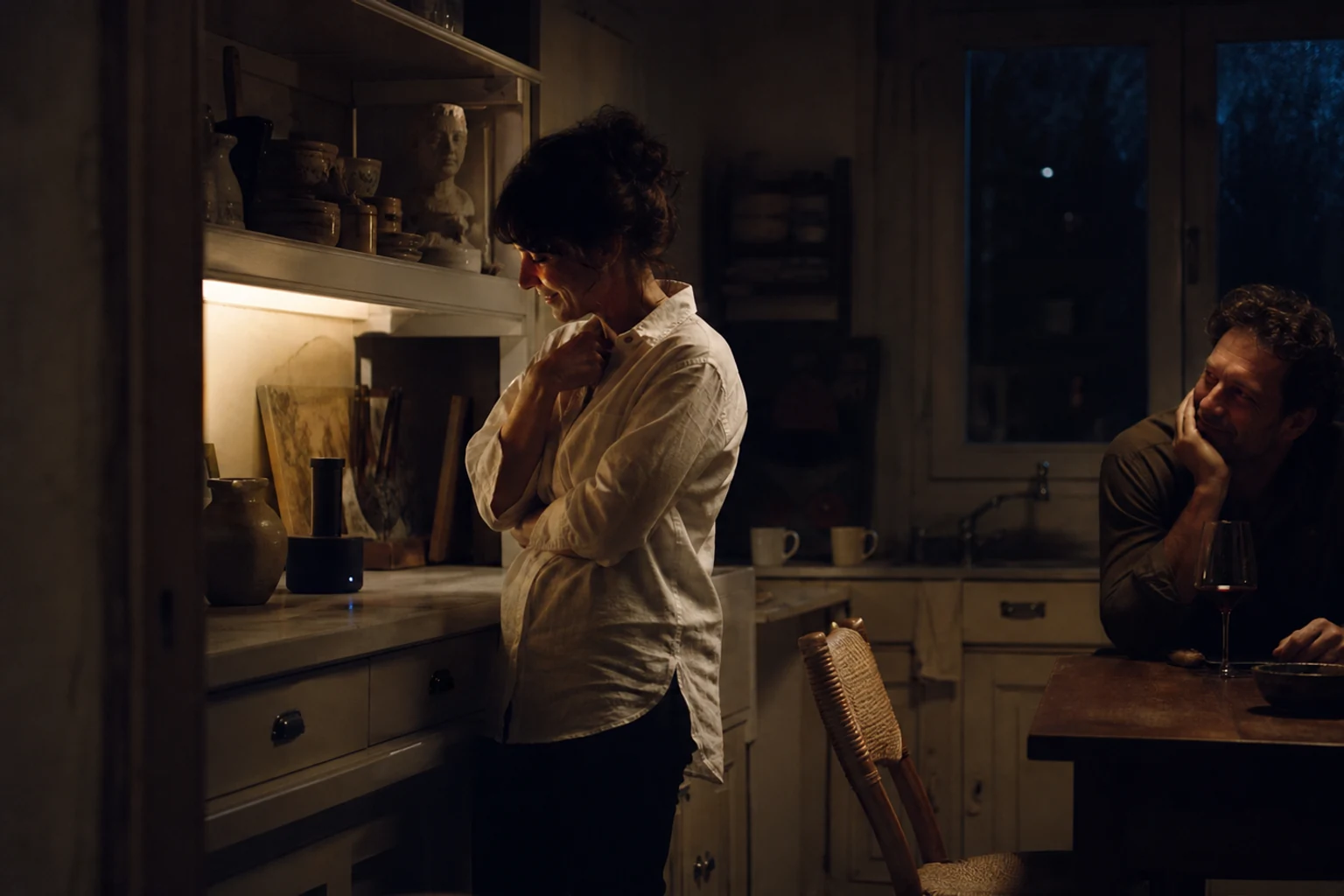
A private first listen
A quiet night kitchen, parked car, bedroom speaker, or walk at home can suit a song built from ordinary life. If the track contains desire, repaired conflict, parenting pressure, work stress, health, finances, fertility, extended-family boundaries, or vulnerable gratitude, keep it private. A birthday or family gathering needs a public-safe edit that celebrates her personhood without broadcasting the marriage. Do not use a song to announce a commitment, trip, move, pregnancy, or reconciliation she has not chosen.
Review names, pronunciation, roles, and every statement about what she carries. Ask whether the lyrics accidentally praise exhaustion or imply that the household depends on her self-sacrifice. Download two copies, turn off notifications, and let the track end without a camera or speech prompt. If she wants to share it later, create the appropriate edit and confirm the applicable usage rights. The first gift is being accurately seen; control over the story remains hers.
Natural for a song built around ordinary work, reconnection, mature gratitude, and a room the couple shares.
Side-by-side listening for a restrained message, with no audience and space for conversation afterward.
Center her humor, ambition, relationships, and personality—not only what she does for spouse or family.
Remove desire, conflict, finances, health, parenting stress, family boundaries, and any detail she has not approved for others.
Story examples
These are transparent story examples, not fake audio demos. They show how real details become a creative direction and a singable lyrical moment.
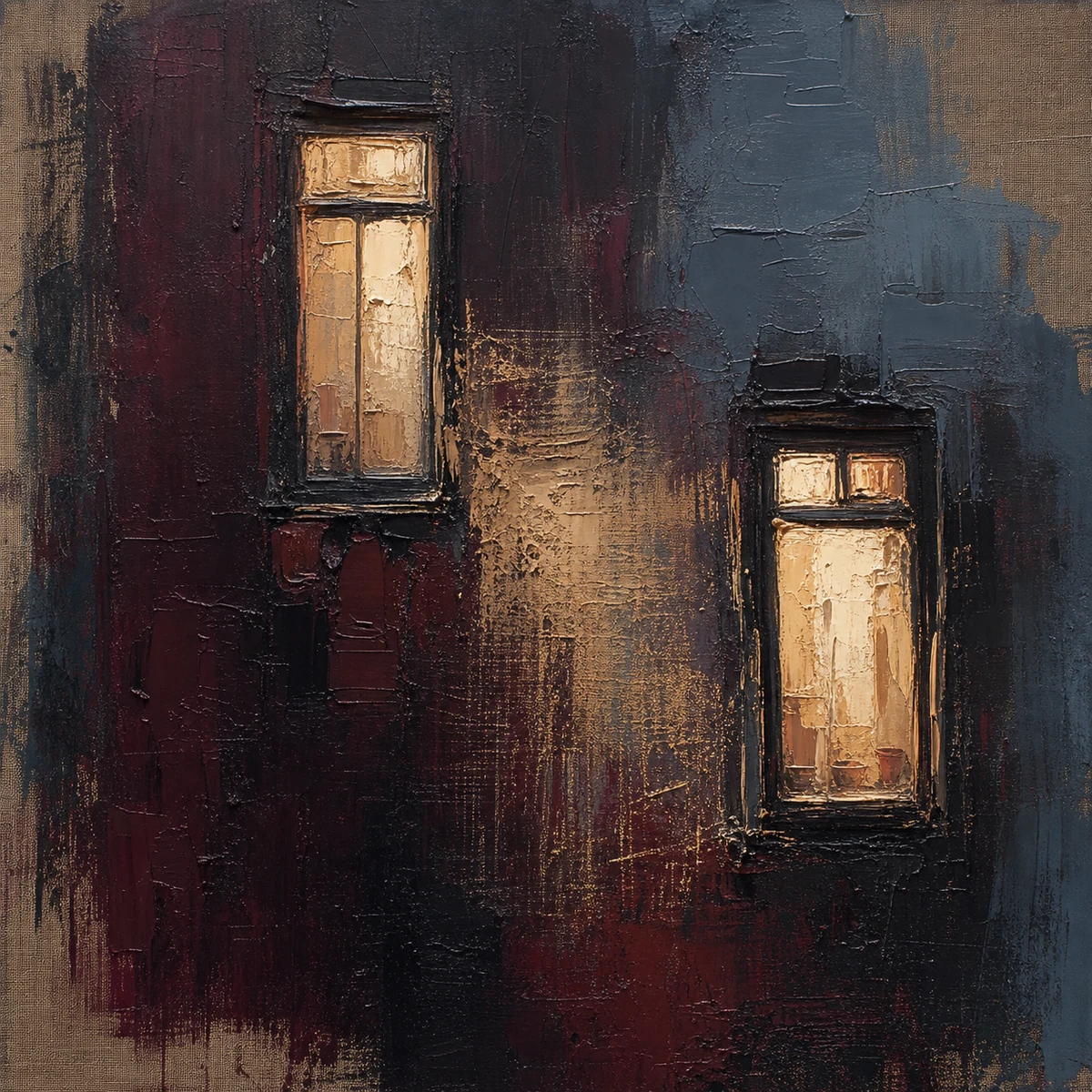
Story Example
Daniel wants to thank his wife Amara for the way she notices when their home has become too scheduled, protects Sunday walks, and restarted her ceramics work after years of putting it aside. They supported each other through a difficult relocation. The song will play privately after dinner; do not mention children by name or describe the conflict around the move.
Direction: Mature soul with electric piano, restrained organ, soft drums, and a warm low vocal. Make the quiet kitchen the frame, treat protected walks and ceramics as evidence of her judgment and personhood, and let the chorus commit to making room together.
Story Example
Mina and her wife Tess married eighteen months ago and spent the next year renovating a small apartment. Tess labels every box, sings badly while painting, and makes decisions calmly when plans fail. Mina wants an affectionate song for Tess's birthday, not an anniversary. Use wife and she/her, keep the humor gentle, and do not mention cost.
Direction: Warm indie pop with textured guitars, roomy drums, and a playful first verse. Contrast formal wedding shoes with paint on the floor, make Tess's calm decision-making the emotional center, and use the birthday chorus to celebrate her beyond the renovation labor.
Story Example
Rafael wants a private song for his wife Sofia. She reads in the same window chair, maintained friendships through several moves, returned to university in her forties, and taught him that care includes letting each person keep growing. Avoid calling her the one who holds everyone together; their shared message is making room for two full lives.
Direction: Narrative piano pop with restrained strings only in the final chorus. Use the chair as a visual anchor, let the friendship calls and university notebooks show her independent life, and make the promise reciprocal: two windows, one home, continued growth.
Keep exploring
Creatune Personalized Songs
Partnership lives between the milestones
The life between the milestones
Questions before you create
A wife song is person-led and can be created at any time. It focuses on who she is inside lived marriage, what the giver notices now, and how romance, gratitude, desire, or teamwork appear in ordinary life. An anniversary song is date-led and usually follows a relationship timeline.
Name her judgment, humor, ambition, creativity, relationships, boundaries, and personhood alongside specific contributions. If the lyric mentions invisible labor, acknowledge reciprocity and what the giver will carry rather than praising exhaustion or saying she must hold everything together.
Yes. Use present-day details, conversational language, restrained arrangement, and one direct chorus. Warm indie, mature soul, piano pop, or intimate acoustic music can carry affection and desire without repeating wedding vows or making theatrical claims the couple would never say.
Yes. For a birthday, center her personality, humor, ambitions, friendships, interests, and the way she changes a room—not only her role in the marriage. Use public-safe details if family or friends will hear it, and keep intimate marriage language in a private version.
Choose a private first listen when the song includes desire, conflict, work stress, health, finances, parenting, fertility, family boundaries, or vulnerable gratitude. Ask your wife before sharing. A separate public-safe edit can remove details that belong only to the marriage.
Your turn
Tell the agent what the wedding photographs could not know, how the life is actually shared, and what you want your wife to hear now—before anyone else hears the song.
Create a song for your wife