Setback
One result or stretch that revealed what the team still needed to learn, described without exposing private health or conflict.
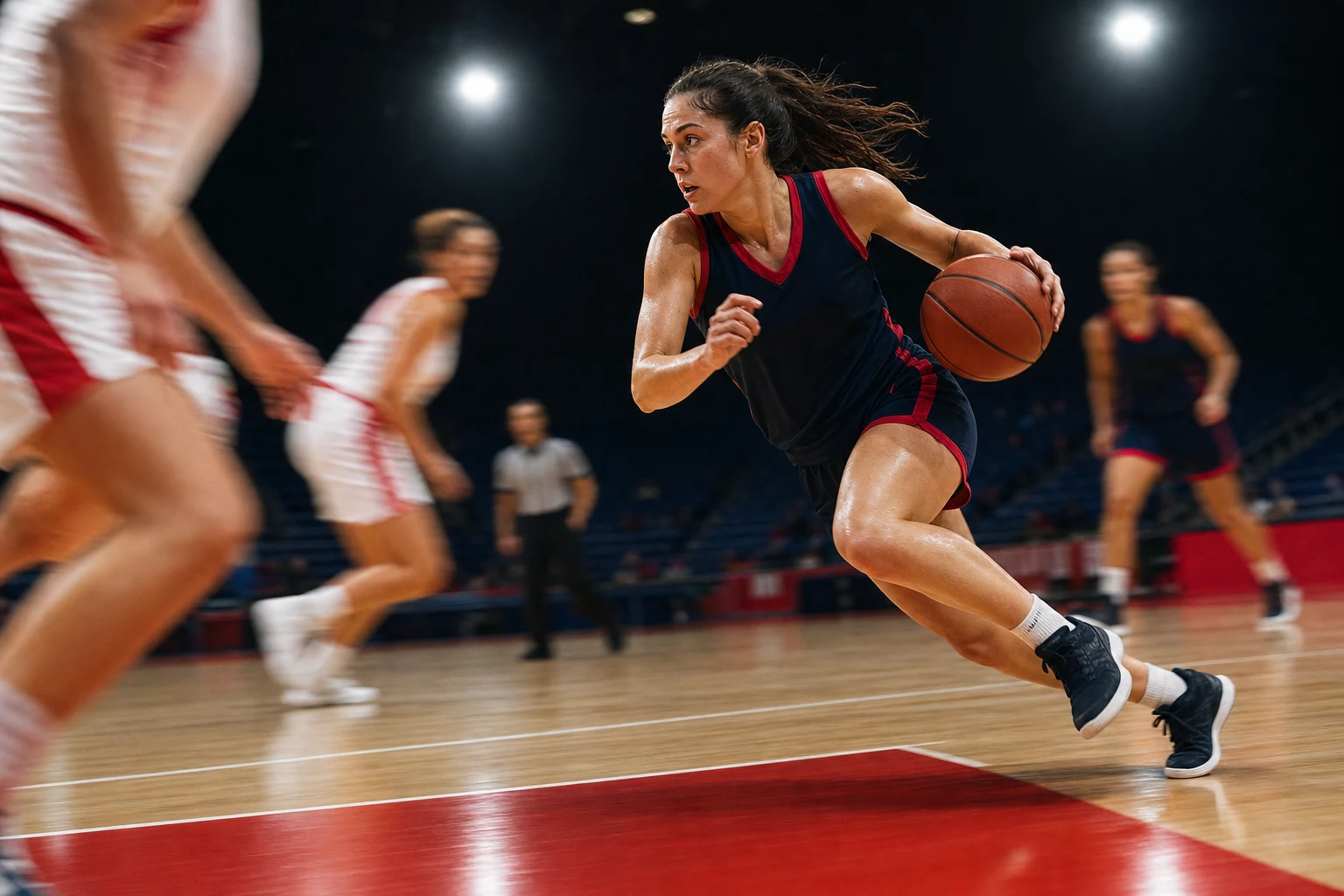
The score is the ending, not the story
Build a sports victory song from the loss that changed the plan, the training detail nobody outside the team saw, the decision that held under pressure, and the final moment the crowd can still replay without inventing a single statistic.
Start the song
Replace each blank with real names, moments, and details—the more specific you are, the less generic the song. Everything stays editable in the studio before anything is generated.
What you are making
A scoreboard can confirm what happened, but it cannot explain why the people in the room still feel it in their bodies. The useful material lives earlier: the first loss that exposed a weakness, the practice everyone wanted to shorten, the substitute who changed the energy, the coach who simplified one instruction, or the athlete who returned to the basics when pressure made everything feel complicated. A victory song earns celebration by showing the work and uncertainty that came before it.
Creatune's conversation begins with the moment that turned a schedule into a story. It records the sport, competition level, team or individual point of view, verified season events, setback, adjustment, decisive moment, supporter contribution, names, pronunciation, venue, audience, chant words, and highlight-edit needs. The result is not a generic montage track with a team name inserted. It is a compact season narrative designed for a real room and a response people can repeat after hearing it once.
The season arc board
The earlier setback gives the final play its emotional scale.
Choose one setback the team is comfortable owning. It might be an early defeat, a series of close finishes, an individual mistake, a training plateau, or the moment the group understood that talent alone would not solve the problem. Keep injuries, medical information, conflict, eligibility, finances, and private family circumstances out unless the person involved explicitly approves them. The point is not to dramatize suffering. It is to show the decision the group made after the plan stopped working.
Then identify the adjustment in physical terms. Did the team arrive twenty minutes earlier, change a defensive rotation, repeat one drill, communicate differently, protect recovery, or trust a younger player? Place the decisive moment after that evidence. A final shot, save, lap, routine, exchange, tackle, sprint, or calm timeout becomes believable because the listener has already heard what prepared it. Verify score, opponent, venue, round, date, name, and record claims before they enter the lyrics. If contributors disagree, use the shared emotional truth and remove the disputed statistic.
One result or stretch that revealed what the team still needed to learn, described without exposing private health or conflict.
A repeated drill, tactical change, leadership choice, recovery habit, or communication shift the group can verify.
The exact sensory beat when preparation became visible: shoes on floor, breath before a serve, silence before a kick.
What the victory proved about trust, patience, courage, adaptability, or belonging beyond the final score.
Whose victory is speaking?
An individual tribute can stay close to one athlete's routine, doubt, technique, and support system. The chorus may address the athlete directly, while the bridge recognizes the coach, training partner, family member, or teammate who helped without claiming the result for them. A team anthem should widen the pronoun to ‘we’ only when the evidence is genuinely shared. It needs several roles but not a roster: the starter who set the standard, the reserve who changed practice, the captain who steadied the room, and the supporter who kept showing up can appear through actions instead of ceremonial name-checks.
A highlight reel needs shorter lyric units and clear instrumental space so visuals can carry part of the chronology. Do not force a line to explain every clip. Choose three chapters—early doubt, change in momentum, decisive stretch—and let repeated musical motifs connect them. A banquet tribute can hold more context and quieter verses because the audience already knows the season. A public social edit needs approved names, clean language, usage-right review, and no unlicensed broadcast audio or invented claims about opponents.
Technique, routine, pressure, one breakthrough, and the people who supported without taking over the story.
Shared behaviors, role diversity, one collective turning point, and a chorus the whole group can claim as ‘we.’
Three visual chapters, fewer words, edit-friendly transitions, and enough instrumental air for the footage to breathe.
What the stands witnessed, how the crowd learned the response, and gratitude without pretending fans played the game.
The stadium participation meter
A crowd chant is an interface, not a paragraph. Keep the response short, place the stressed syllables where a group can find them naturally, and avoid names whose pronunciation will collapse at speed. Test the phrase without music: one person calls, ten people answer. If the answer arrives late, contains too many consonants, or needs explanation, shorten it. The best line may come from an existing team phrase, but confirm it is appropriate for public use and does not target an opponent, player, school, identity, or community.
Choose arrangement from the room. Arena rock supports broad vowels and live-feeling drums. Drumline hip-hop leaves pockets for names, call-and-response, and footwork. Cinematic electronic music can carry a highlight build but needs a simpler live hook. A small locker room cannot reproduce stadium bass, and a banquet sound system may punish dense low frequencies. Prepare a clean master, a local download, and a shorter cue edit. The group should know who starts the track, who leads the answer, and what happens if the speaker or network fails.
One clear setup from a captain, coach, announcer, or designated leader with an obvious breath before the answer.
Four to seven words with open sounds, natural emphasis, and no line that insults an opponent or pressures an athlete.
A compact intro, controlled low end, and enough repetition for teammates to join without rehearsal.
A longer build, edit points, instrumental space, and only verified public-safe names and events.
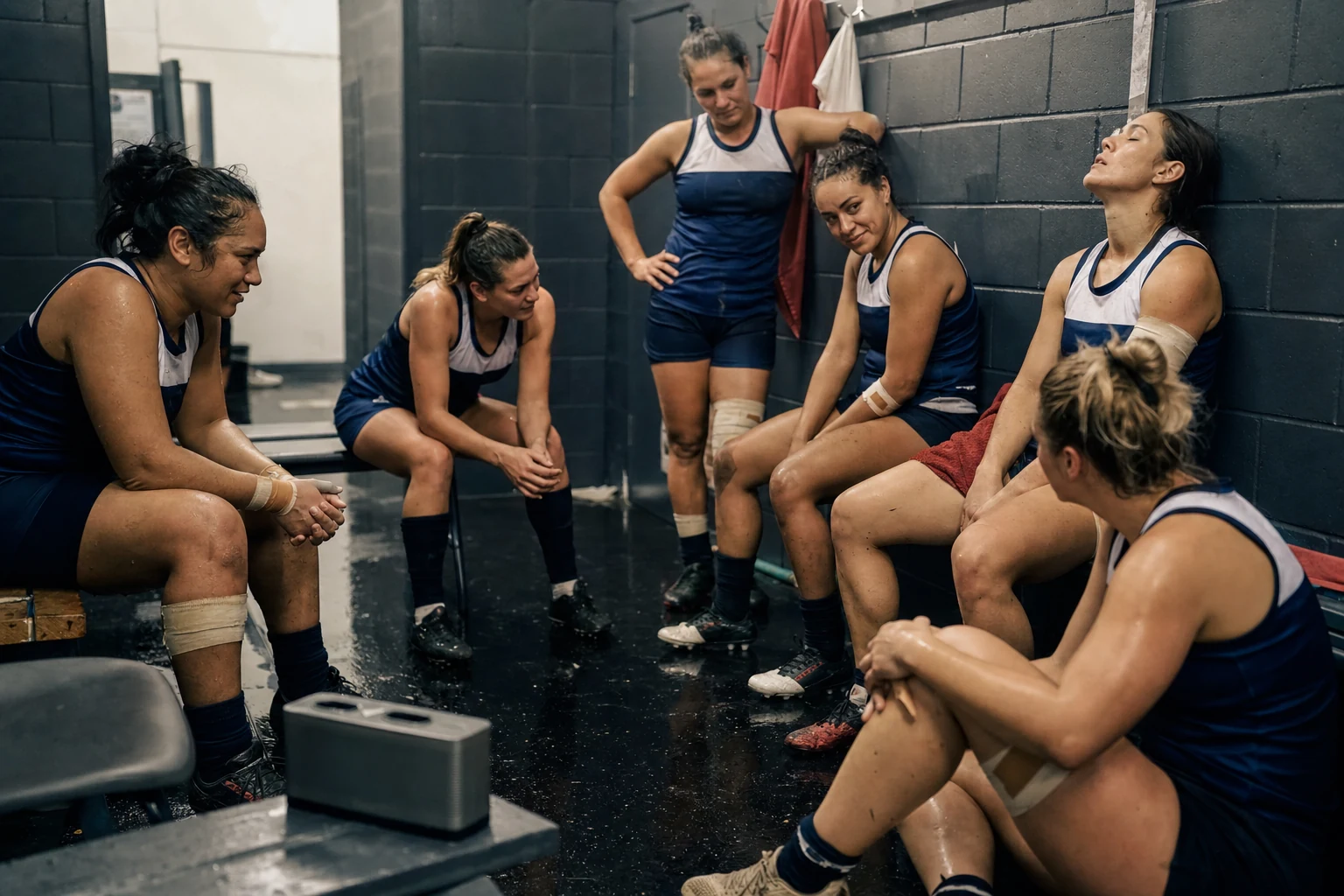
Where the song lands
A locker-room first listen can be immediate and private. Let the group hear the full story before asking for reaction footage. A banquet or school assembly needs approved language, reliable pronunciation, a fixed length, and a version that respects athletes who contributed without appearing in the final result. A public parade or arena playback needs a short recognizable opening and a cue owner who can coordinate with the venue. For a highlight film, label the final master clearly and confirm music usage rights before publishing or monetizing it.
Ask before posting tears, speeches, locker-room interiors, minors, medical equipment, or private team rituals. The victory already happened; nobody owes a camera a second performance. Store two downloaded copies, test the real playback system, and keep the lyric sheet with the verified season notes so future edits do not turn uncertain memory into false fact. The song should preserve what the group is proud of, including the standards it used to treat opponents, staff, families, and one another.
Most private and emotionally immediate; use the full narrative, but get consent before filming or sharing.
Best for context, role recognition, coach and family thanks, and a version reviewed for a mixed audience.
Use the short cue edit, tested amplification, public-safe details, and a chant people can hear clearly.
Confirm rights, protect minors and private footage, leave edit space, and use only verified public claims.
Story examples
These are transparent story examples, not fake audio demos. They show how real details become a creative direction and a singable lyrical moment.

Story Example
A girls' basketball team lost three early conference games, began meeting before school to repeat one defensive rotation, and reached the final after a bench player drew a crucial charge. The song is for a private locker-room celebration and later a clean banquet edit. Use the team nickname only after confirming pronunciation; do not mention an opponent or a player's injury.
Direction: Drumline hip-hop with sneaker squeaks as texture, compact verses, a halftime-feeling breakdown, and a five-word response. Let the early losses establish the work, make the rotation the recurring image, and give the bench contribution equal emotional weight before the final chorus.
Story Example
Noah is a competitive climber who failed the same final sequence twice, rebuilt his footwork over four months, and completed it at a regional event while his sister and training partner watched. The track will accompany a private highlight film. Avoid record claims and keep the venue unnamed.
Direction: Cinematic electronic pulse with dry hand percussion, restrained first verse, expanding synth texture, and a sudden near-silence before the decisive move. The chorus celebrates patience and technique rather than calling him fearless.
Story Example
A four-person relay team finished second the previous year, changed how they practiced handoffs, and won after the cleanest final exchange of their season. Their coach wants a banquet song that thanks the reserve runner and families who drove to early practices. Every split and name must be checked before use.
Direction: Arena rock with tom-led build, guitar kept under the verses, and a broad chorus built around ‘pass it clean, carry it home.’ Treat the exchange as both the physical turning point and the image of trust across the whole season.
Keep exploring
Creatune Personalized Songs
Make the work behind the milestone audible
A career remembered through ordinary work
Questions before you create
Include the sport, competition level, team or athlete, one setback, the adjustment that followed, a verified decisive moment, and what the result proved beyond the score. Add approved names and pronunciation, the playback venue, whether the crowd should participate, and any highlight-edit or privacy requirements.
Yes, but only after verifying every factual claim with a reliable team source. Remove disputed scores, records, rankings, injury details, or opponent language. The song can stay deeply specific through physical actions, routines, sounds, and team decisions without risking a false statistic.
Use a short call and a four-to-seven-word response with natural stress and open vowel sounds. Speak-test it before music, leave an obvious gap for the answer, avoid difficult names at high speed, and repeat it enough that a first-time listener can join without reading lyrics.
Create separate edits. The locker-room version can hold more context and private team language; the public edit should use approved names, clean lyrics, verified claims, licensed footage, and the usage rights included with the applicable Creatune plan. Ask before sharing reaction footage or private rituals.
Match the style to the job. Arena rock supports a broad live chant, drumline hip-hop creates rhythmic participation, and cinematic electronic music supports a visual build. Choose tempo, intro length, bass, and lyric density for the actual locker room, banquet, arena, or highlight edit.
Your turn
Bring one setback, one adjustment, and the moment preparation became visible. The agent will help turn them into a verified season arc and a response the room can own.
Create the victory song