Hide
Use a neutral project name, ordinary opening texture, and no lyric that names the occasion, room, guests, or gift too soon.
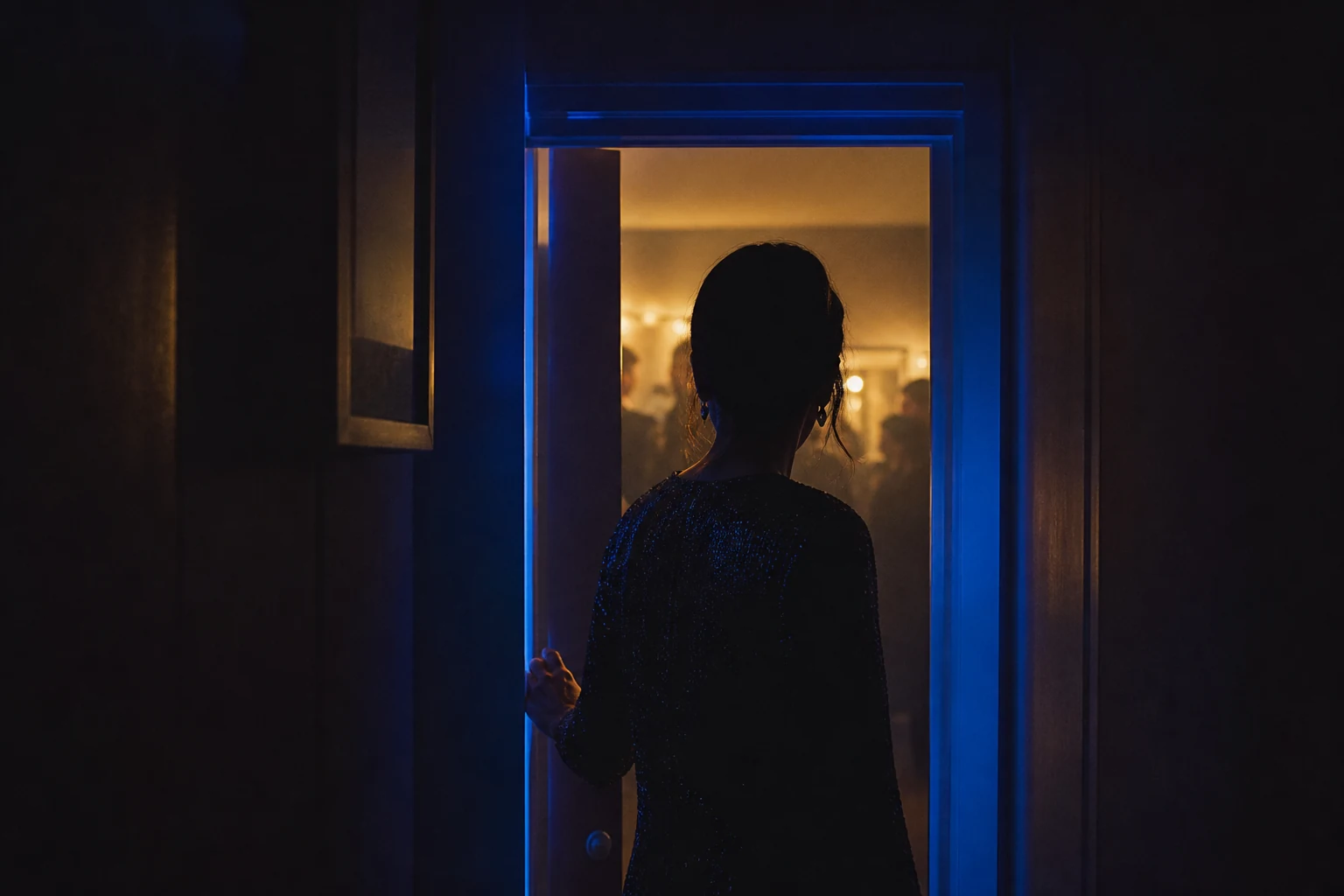
The reveal has a timestamp
Plan what the recipient hears before the door opens, which detail makes them recognize the story, when the secret becomes explicit, and how the room joins once everyone can finally make noise.
Start the song
Replace each blank with real names, moments, and details—the more specific you are, the less generic the song. Everything stays editable in the studio before anything is generated.
What you are making
A surprise track cannot be written only as a tribute. It has to survive a real arrival that may be early, late, noisy, confused, or visible from the wrong window. The opening may need to sound ordinary before the recipient enters. A familiar phrase can create recognition without naming the occasion, while the explicit reveal waits for the chosen chorus, line, or spoken cue. Once the room shouts, the music needs enough space and repetition for people to join rather than competing with the reaction.
Creatune begins with the moment of reveal. The conversation records the occasion, recipient, arrival route, cue owner, safe-before-entry details, reveal-only words, guest group, room size, singalong phrase, speaker, filename, notifications, offline copy, and failure plan. That structure makes the page useful for a birthday, homecoming, retirement, engagement, promotion, or another gathering without reducing every surprise to the same birthday lyric.
The surprise cue timeline
Begin outside the song. How does the recipient travel from the last normal moment to the room? Record the car turn, lift ride, corridor, gate, staircase, door, or blind corner, and identify who can see the approach. Choose whether music starts before arrival, at first sight, after the room shouts, or once the recipient has settled. A track triggered from guesswork will rarely land on the intended beat; one human cue owner should have a reliable view or message.
Shape the arrangement around uncertainty. An instrumental or ambiguous opening can loop mentally without spoiling the secret. A build can lengthen the approach, while a short pickup works for a door that opens suddenly. Put the first unmistakable reveal after the recipient can see the room. Then leave a bar or two for noise before the group hook. If timing slips, the song should still make emotional sense rather than exposing a failed countdown.
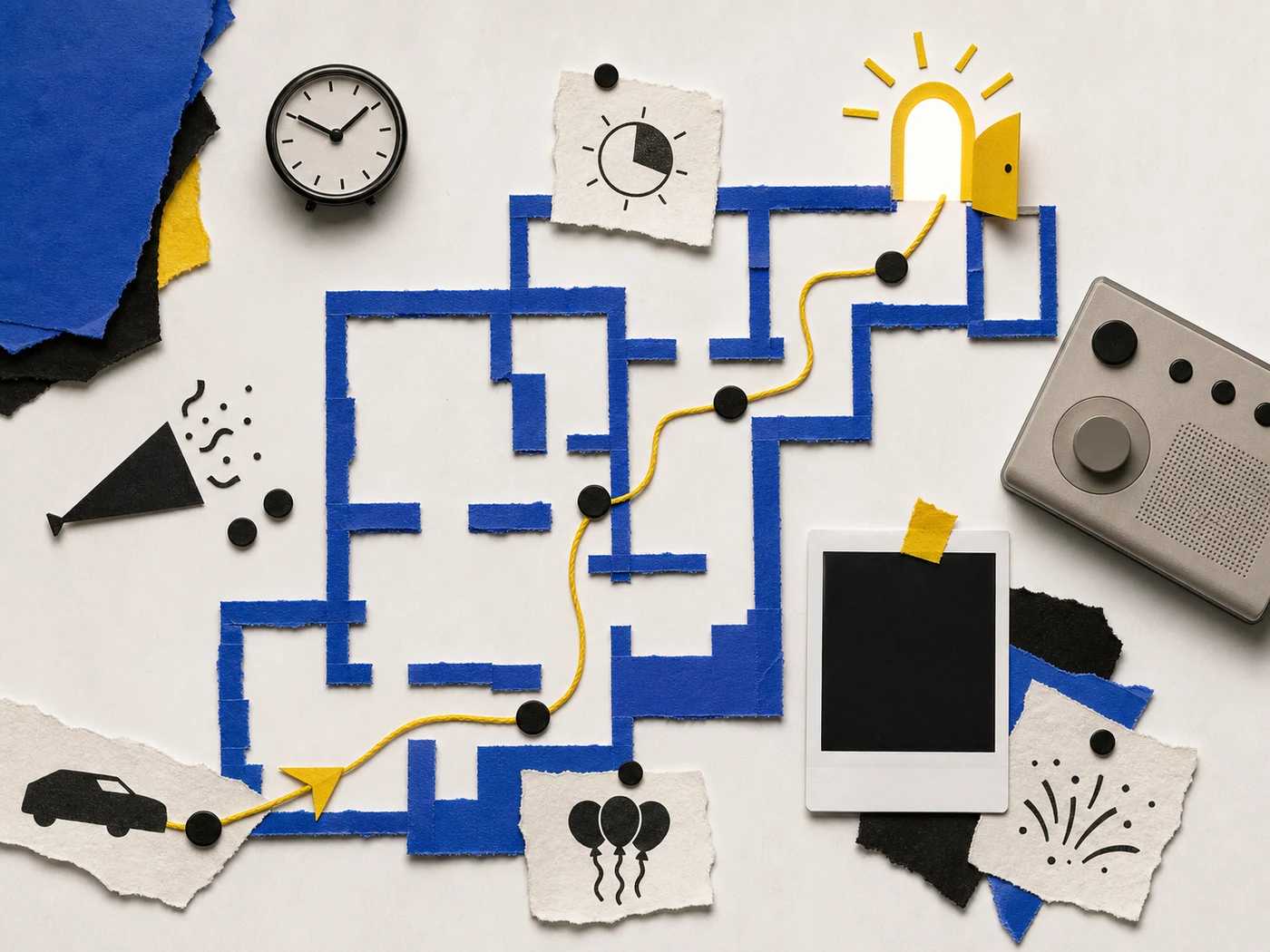
Use a neutral project name, ordinary opening texture, and no lyric that names the occasion, room, guests, or gift too soon.
Map the actual route and give one person reliable sight of the recipient instead of estimating arrival from a scheduled time.
Offer one familiar phrase, object, or memory that makes the recipient listen more closely without explaining why.
State the surprise only after the room is visible, leave space for noise, then repeat a group hook simple enough to enter late.
Safe to include / keep for reveal
Safe opening details belong to ordinary life: a phrase the person uses, their commute, a familiar object, a running joke, or a memory not tied to the current location. Reveal-only material includes the occasion, returning person, guest list, hidden family member, destination, gift, engagement, promotion, or number being celebrated. Do not assume a metaphor will hide the fact; recipients are often already suspicious when schedules and messages feel unusual.
Privacy still matters after the secret is visible. A room surprise does not authorize a public biography. Avoid sensitive health, money, workplace, relationship, immigration, school, or family information. If guests know different parts of the story, use material appropriate for the entire audience. Create a private version later if the recipient wants one. The event master should support recognition and belonging without forcing them to process private information while everyone watches.
Everyday habit, non-event memory, neutral phrase, known place, favorite rhythm, or an object unrelated to the hidden gathering.
Name, occasion, milestone number, returning guest, destination, group identity, or any phrase that exposes why everyone assembled.
Private conflict, diagnosis, money, fertility, immigration, workplace news, old relationship detail, or an unapproved personal announcement.
A longer intimate edit, publication, reaction clip, guest sharing, and whether the surprise story becomes permanent online content.
After the shout
The room will be louder and less synchronized than the plan. Place an instrumental release or repeated phrase immediately after the reveal. Avoid important names or the emotional thesis in that first noisy bar. The next section can re-establish attention with a clear vocal pickup, then lead into a short chorus. If several generations are present, choose words with natural stress and a melody that does not require a large range.
Build-and-drop pop creates anticipation, brass funk turns quickly into celebration, and playful rock can make a broad group response feel unpolished in the right way. Match low-end and tempo to the room rather than to headphones. A small house may need cleaner midrange; a hall needs a strong cue and speaker coverage. If the recipient dislikes public attention, shorten the song, keep the message warm, and let the group hook carry celebration without demanding a speech or reaction.
Reserve instrumental room after the reveal so cheers, surprise, and movement do not cover the line everyone needs to hear.
Use the recipient's name or a clear phrase after the noise to bring attention back without scolding the room into silence.
Choose five to eight memorable words with an obvious entry point and enough repetition for guests joining late.
End in celebration rather than asking the recipient to speak, cry, perform gratitude, or understand every reference immediately.

Operational secrecy
Use a neutral project title that does not contain the person's name or occasion. Edit with headphones, avoid shared accounts, remove lock-screen previews, and send collaborators only the final file plus the cue they need. Do not test the track on a household speaker linked to the recipient's phone. If the same device provides navigation or communication during the approach, use a separate playback device so an incoming message cannot expose or interrupt the plan.
Download two final copies, label them clearly for the cue owner, test the actual speaker at the actual volume, and confirm power, cable, Bluetooth, and offline playback. Create a human fallback: if the arrival is missed, wait and restart rather than chasing the intended timestamp. If the speaker fails, the room can shout first and play the song afterward. The surprise is the people and the recognition; the file should support the moment, not become a single point of failure.
Use an ordinary project label while editing, then provide the cue owner one clearly marked final file in a separate folder.
Disable notification previews, smart-speaker history, shared photo suggestions, calendar alerts, and messages visible on the playback screen.
Store the final master on two devices and test both without network access before guests arrive.
Authorize the cue owner to pause, restart, or move the song after the shout when the real arrival does not follow the plan.
Story examples
These are transparent story examples, not fake audio demos. They show how real details become a creative direction and a singable lyrical moment.

Story Example
Mara returns after a year abroad and believes she is walking into a quiet family dinner. Her sister watches the courtyard and cues the track as Mara reaches the yellow door. The opening can mention the voice notes Mara sends from train platforms, but must not say ‘home,’ name returning cousins, or reveal the room until the first chorus.
Direction: Build-and-drop pop with a neutral pulsing intro long enough for the courtyard walk. Use train-platform voice notes as recognition, drop the word ‘home’ only after the door opens, leave two instrumental bars for the shout, then repeat a six-word family hook.
Story Example
Jon thinks he is stopping at a studio to collect a friend. Forty guests are hidden upstairs. The first verse can joke about his habit of arriving exactly seven minutes late, but the age, birthday, and room must remain hidden until he reaches the landing. One friend sees the stairs and owns the cue.
Direction: Brass funk with a conversational verse, a flexible vamp for the stairs, and a sharp horn hit at the landing. Put the age in the post-reveal response, not the approach, and give the room a simple ‘seven late, right on time’ hook.
Story Example
A small team is surprising Imani after her promotion becomes public. She believes the calendar invite is a routine project review. The project codename can appear early, but the new title and assembled family must wait until after she enters. Exclude client names, salary, and confidential project results.
Direction: Playful rock with muted guitar during the approach, a clean stop for the room shout, then a broad chorus about the leadership the team already saw. Keep company claims factual and let family voices join only on the final repeat.
Keep exploring
Questions before you create
Start with the recipient and occasion, then map the arrival route and choose the exact reveal point. Separate safe opening details from reveal-only words, add two recognizable memories, design a short group hook, assign one cue owner, use a neutral filename, and test two offline copies on the real speaker.
Reveal it only after the recipient can see the room or understand the gathering. The final approach can use an instrumental build or familiar but incomplete detail. Leave space for the reaction, then repeat the recipient's name, occasion, or group hook once the room is audible enough for the words to land.
Create two lists: safe before entry and keep for reveal. Remove the occasion, milestone number, hidden guests, destination, gift, or returning person from the opening. Use headphones, a neutral project title, separate playback device, hidden notifications, and collaborators who receive only the final file and necessary cue.
Let the human cue owner override the planned timestamp. Use an opening that can tolerate delay, pause or restart when needed, and keep a version that still makes sense after the room has shouted. The group can reveal first and play the track second; music should never be the only way the surprise works.
Yes, subject to the usage rights in the applicable Creatune plan and consent from identifiable people. Review names and private details, obtain permission for reactions, and create a shorter clean edit that supports the video. Event participation does not automatically grant permission for permanent or commercial publication.
Your turn
Tell the agent how they arrive, what must stay hidden, and the exact second the room is allowed to reveal itself.
Create the surprise party song