Action
One witnessed thing they did: called, drove, taught, advocated, repaired, listened, introduced, organized, stayed, or made room.
Gratitude with evidence
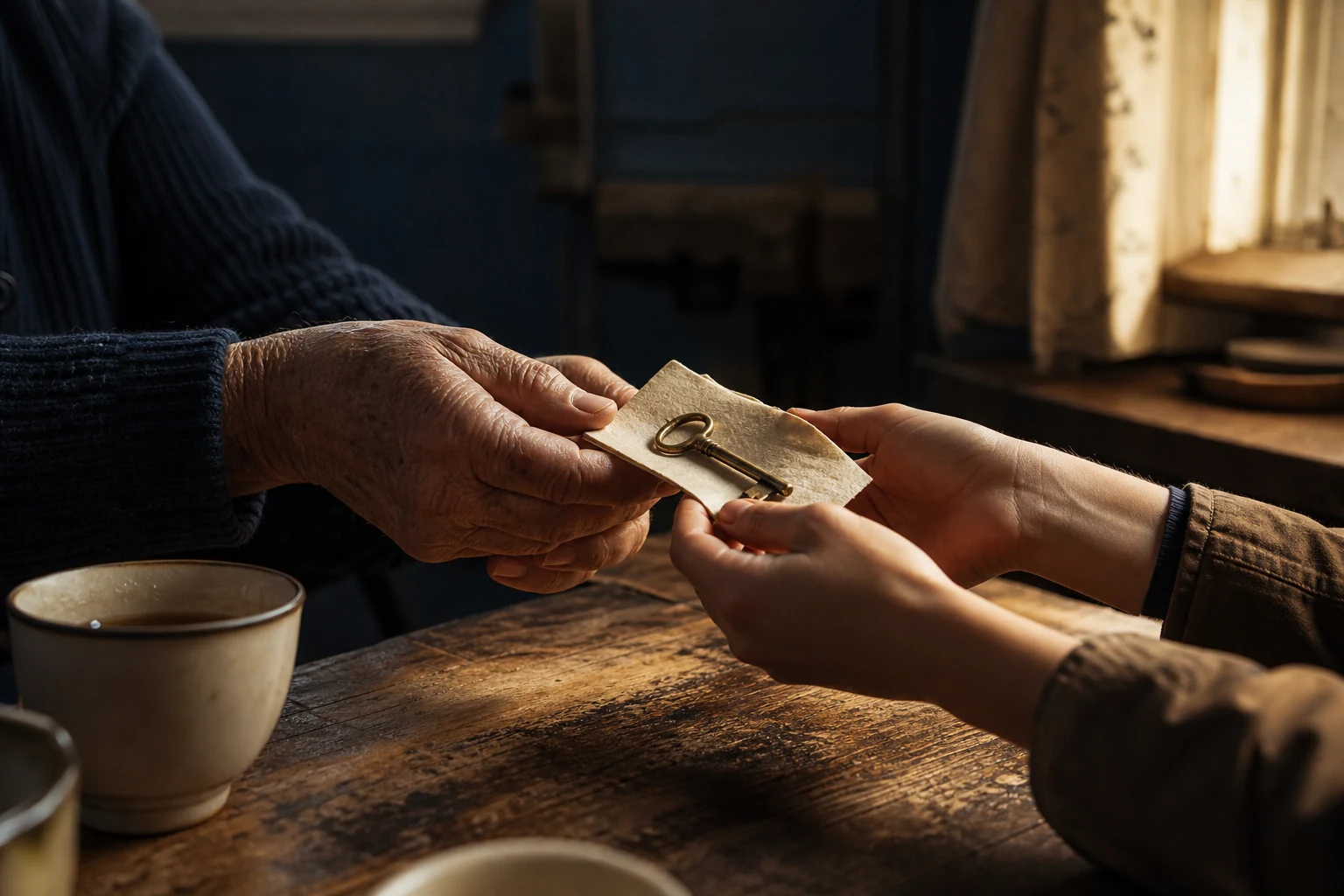
Begin with the call they answered, the skill they taught, the room they made, the trip they took, or the task they kept doing when nobody noticed. The song agent connects that action to its real effect and helps you say thank you without reducing the person to a list of compliments.
Start the song
Replace each blank with real names, moments, and details—the more specific you are, the less generic the song. Everything stays editable in the studio before anything is generated.
What you are making
Generic gratitude usually begins at the conclusion: you are generous, you are patient, you were always there. The recipient may appreciate those words, but recognition comes from evidence. They remember the 5 a.m. drive, the weekly spreadsheet, the spare-room key, the question asked before advice, the lesson repeated without embarrassment, or the meal left outside the door. A song becomes personal when it returns that unnoticed work in detail.
Creatune's conversation builds a causal line. What did the person do? What was difficult or different before? What became possible afterward? What do you understand now that you could not explain at the time? The answer can become a quiet private gift, a mentor tribute, a family thank-you, or a group track, but it should never imply that kindness created a permanent debt.
The gratitude evidence builder
Let the listener recognize their own behavior first; let the song explain its meaning second.
Start with an observable action that can hold a scene. ‘You supported me’ becomes the Sunday call that continued after the crisis was over. ‘You were a great teacher’ becomes the marked-up draft returned before breakfast and the sentence that made another attempt possible. Add a place, object, time, or repeated phrase so the first verse has physical material rather than an adjective stack.
Then trace impact without rewriting the giver as helpless or the recipient as a rescuer. The help may have created time, confidence, access, calm, safety, knowledge, or a sense of belonging. The chorus can finally say what the action meant. A direct line such as ‘You made room before I knew how to ask’ carries more weight because the verses have already shown the room and the asking.

One witnessed thing they did: called, drove, taught, advocated, repaired, listened, introduced, organized, stayed, or made room.
Describe the practical or emotional difference without claiming they single-handedly saved or completed your life.
Name what you see now about the effort, timing, judgment, patience, or courage inside that action.
Let the chorus thank them for the real contribution, not for an idealized personality they may not recognize.
Warmth without obligation
Gratitude can accidentally become pressure. ‘I owe you everything’ sounds large but can make the recipient responsible for the giver's future. ‘You never gave up on me’ may erase boundaries they needed. ‘I could not survive without you’ may be frightening rather than affectionate. Replace permanent debt with an exact effect: you helped me finish the application, feel less alone in that month, learn the work, or believe one more attempt was possible.
Complicated relationships need accurate scale. You may be grateful for one act without declaring the whole relationship perfect. A paid professional can be thanked without turning their work into family intimacy. A mentor can be honored without implying unlimited access. Let the recipient receive the song freely: no demand for a response, future support, public reaction, or agreement with the giver's interpretation.
Specific effort, changed opportunity, witnessed character, practical consequence, and a thank-you the giver can stand behind.
‘You saved me,’ ‘I owe you forever,’ and ‘you were the only one’ into language that names what actually changed.
Professional boundaries, private health or money details, unequal power relationships, and help the recipient did not publicize.
No request for continued access, public emotion, repayment, reconciliation, or a filmed reaction after the final line.
Different forms of help
A mentor song should show the standard, question, introduction, or correction that changed how the giver works. A friendship thank-you can include ordinary continuity: calls after the urgent week, groceries without a speech, or humor that returned before optimism did. A family track may connect years of practical care to what adult children now understand, while still allowing the recipient an identity beyond service.
For a team or community thank-you, collect one concrete contribution per person and edit toward a shared result. Do not read a roster over music. Decide whether the song is thanking one leader, the people doing invisible operations, or the whole network. Verify public facts and remove confidential client, health, school, financial, or workplace details before the track enters a room or organizational channel.
One precise lesson, standard, question, correction, or door opened—and what the giver does differently now.
A voluntary action, repeated presence, practical detail, and the ordinary relationship that continued afterward.
Specific care and later understanding without glorifying exhaustion, obligation, or limitless sacrifice.
A shared outcome built from selected contributions, verified facts, public-safe detail, and one collective chorus.
How thanks arrives
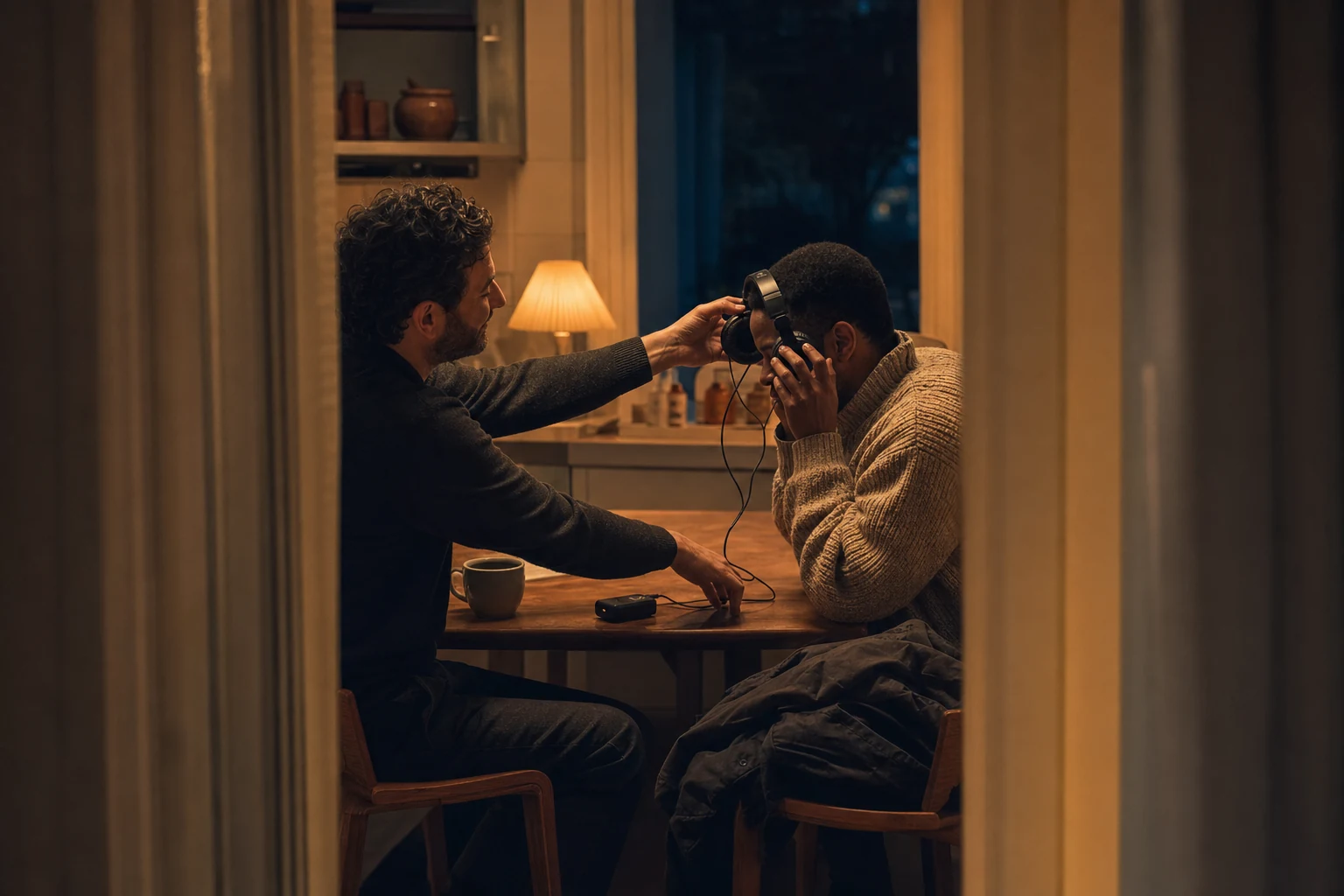
A private first listen supports more vulnerable detail and a quieter arrangement. Send the track with a short note explaining why you made it, then give the recipient time without asking whether they cried. A small dinner or retirement event can use a more legible chorus and references other people understand. A public thank-you needs explicit permission for every personal detail and a version short enough to support the event rather than replace it.
Download the final file, check names and pronunciation, test the real speaker, and assign one person to press play. If several contributors are involved, credit them in the accompanying note instead of forcing every name into lyrics. For professional or paid channels, confirm the relevant usage rights. Gratitude lands best when the listener can hear the evidence—not when production, introductions, and cameras compete for the reaction.
More personal detail, close vocal, no audience, and enough silence afterward for the recipient to respond in their own way.
References the room understands, a clear introduction, tested playback, and no private surprise hidden inside the verse.
Curated contributions, a strong shared message, public-safe facts, written contributor credit, and one playback owner.
Consent from identifiable people, rights review, readable lyric captions, and a shorter edit if the platform requires it.
Story examples
These are transparent story examples, not fake audio demos. They show how real details become a creative direction and a singable lyrical moment.

Story Example
Leah thanks her former editor, Marisol, for returning difficult drafts before breakfast, asking ‘what are you protecting here?’ instead of rewriting the work, and recommending Leah for her first paid assignment. The song should be professional, warm, and suitable for a small retirement dinner without implying that Marisol created Leah's whole career.
Direction: Conversational folk with fingerpicked guitar, upright bass, and an unshowy vocal. Let the red pen and one question carry the verses, then make the chorus about learning to revise with courage rather than owing a career.
Story Example
Dev creates a private thank-you for his friend Owen, who offered a spare room after a sudden apartment flood, labeled the kitchen shelves, never asked for the full story, and kept inviting Dev to Friday dinner after he moved out. Mention the blue spare key and avoid ‘you saved me’ language.
Direction: Gentle soul with Rhodes, brushed drums, and a close low vocal. Open on the blue key, show help continuing after the emergency, and let the final chorus thank Owen for making dignity part of the welcome.
Story Example
A neighborhood arts program thanks twelve volunteers who arrive early to set chairs, translate forms, tune borrowed instruments, walk children home, and stay after performances. Do not list all names or describe private family situations. The track will open an annual public showcase.
Direction: Uplifting pop-soul with hand percussion, bright brass touches, and a chorus the audience can enter. Use the chairs and doors as the main motif, select three public-safe actions, and credit every volunteer in the program rather than the lyric.
Keep exploring
Questions before you create
Include who you are thanking, one or two actions they actually took, what was different before, what changed because of their help, and what you understand now. Add a direct thank-you and decide whether the first listen is private, shared with a small group, or public. Evidence makes gratitude more personal than a list of praise.
Replace adjectives with scenes. Instead of ‘you are generous,’ describe the spare key, early drive, repeated lesson, marked-up page, meal, introduction, or weekly call. Then explain its effect. A concrete action and consequence give the chorus permission to use simple words such as thank you without sounding empty.
Yes. Ask each contributor for one witnessed action, then group the material by impact rather than giving everyone equal lyric time. Select two or three scenes for the song, credit all contributors in the accompanying note, verify public facts, and keep private health, money, school, client, or family details out of a group playback.
Yes, with appropriate boundaries. Focus on work, judgment, skill, advocacy, or care you personally experienced. Avoid confidential information, exaggerated intimacy, claims that one person saved your life or career, and language that requests ongoing access. Confirm whether names, workplace details, and public playback are welcome.
Choose the least performative setting that suits them. Send it privately with a short note, play it at a small dinner, or introduce it briefly at an event. Download and test the final track, check names, do not demand a reaction, and get consent before filming, posting, or sharing personal details with a room.
Your turn
Tell the agent what happened, what changed, and what you can finally thank them for with precision.
Create a thank-you song