Ask for preferred terms
Record how the family names people, dates, places, and the adoption relationship before drafting lyrics.
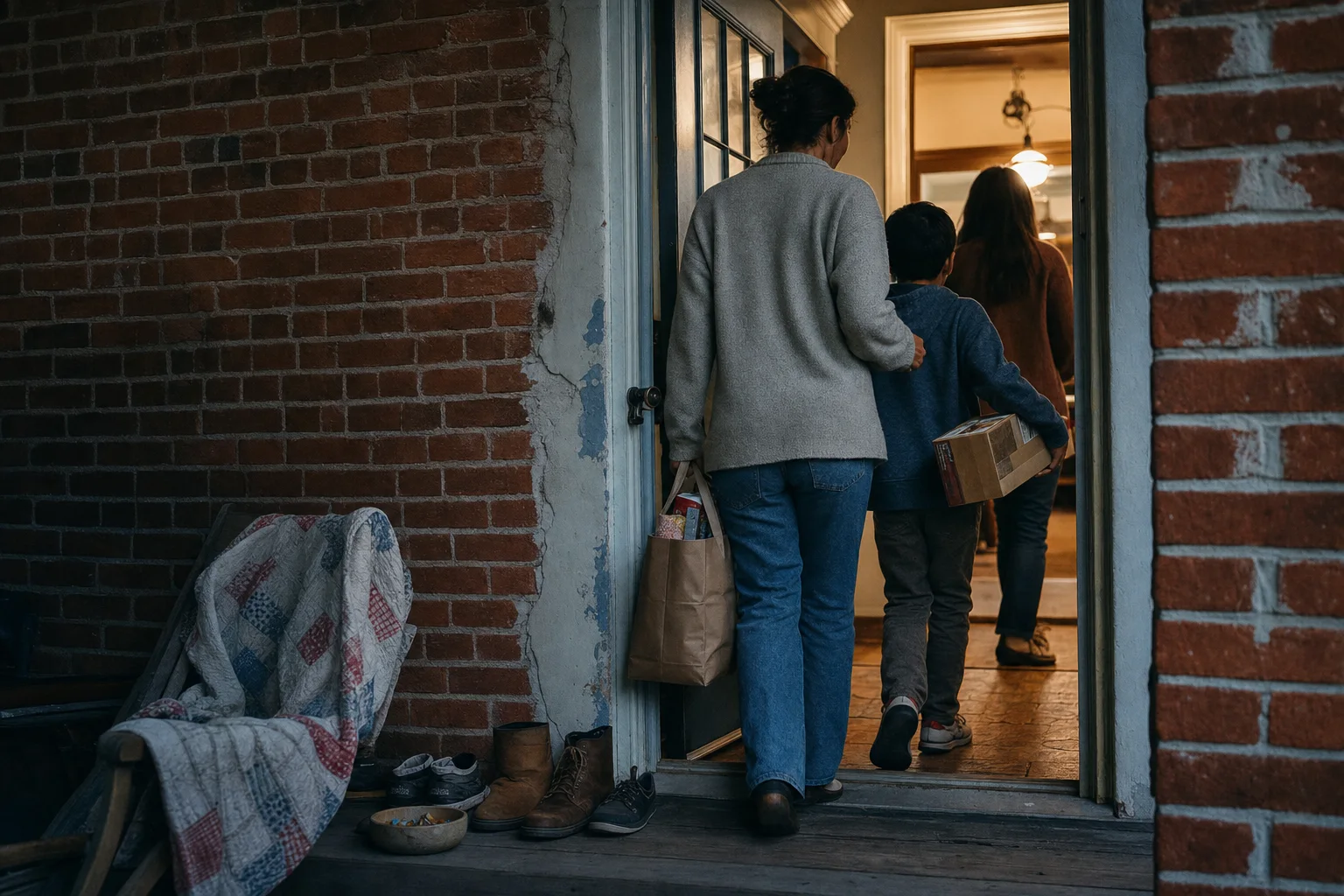
Belonging written with consent
Begin with a moment the people involved have chosen to share: the waiting, a first meeting, a journey home, or a tradition that slowly became yours. Build a song about relationship and belonging—not rescue, debt, destiny, or private history.
Start the song
Replace each blank with real names, moments, and details—the more specific you are, the less generic the song. Everything stays editable in the studio before anything is generated.
What you are making
Adoption stories can include joy, waiting, grief, bureaucracy, origin, cultural identity, family change, and facts a child or adult adoptee may not want turned into public lyrics. A meaningful song does not flatten that complexity into ‘we saved you’ or ‘you completed us.’ It asks who owns each detail and which part of the journey the listener wants to preserve.
Start the Creatune prompt with point of view and permission. Add language preferences, a small number of shareable memories, the family routines that formed later, and a message about belonging that does not require gratitude. Keep private background out of the song description and lyrics unless the person at its center chooses otherwise.

Language and privacy review
Terms such as birth family, first family, biological parent, adoptive parent, chosen family, placement, match, homecoming, or adoption day can carry different meanings. Ask rather than standardize. If the song is for an adult adoptee, let that person's own vocabulary lead. If it is for a child, parents can describe their own actions and feelings without claiming the child's internal experience.
Remove savior language, claims that adoption erased an earlier life, and statements that the child was ‘meant’ for one family at the expense of another. Do not imply that love requires forgetting origin. A chorus can celebrate a home made together while leaving room for histories and emotions that the song cannot own.
Record how the family names people, dates, places, and the adoption relationship before drafting lyrics.
Adults can say what they waited, learned, changed, and promised without narrating the adoptee's private feelings.
Love, care, and belonging do not require a child or adult to feel saved, lucky, complete, or permanently grateful.
Do not erase first families, cultures, names, languages, or the possibility that joy and loss exist together.
Story ownership
Create three columns before writing: mine to tell, shared with permission, and private. Parents may own memories of waiting, paperwork, preparing a room, or learning new routines. A first meeting involves more than one person and deserves mutual care. Origin, legal status, trauma, health, photographs, and the reasons an adoption occurred usually require stronger permission than a song-giver can assume.
Public and private versions can differ. A family-only keepsake may include a date, location, or difficult season that does not belong in a school event, social video, or large anniversary gathering. When uncertain, leave the detail out and let the lyric focus on a later routine everyone recognizes.
Your preparation, uncertainty, learning, practical changes, and promises you personally made.
First meetings, journeys, family conversations, names, photographs, and memories involving other people.
Legal, medical, trauma, origin, placement, and identifying details not explicitly approved for this audience.
Use ordinary family routines, places, humor, and chosen traditions rather than sensitive background.
How belonging becomes visible
Official milestones can matter, but family life is usually made in repetition: the first trusted meal, a school route, hair-care Sunday, learning one another's humor, a yearly walk, a song in another language, or the place everyone drops their keys. These later details show that belonging was practiced rather than completed in a single legal or ceremonial moment.
Choose one threshold scene and two lived-in details. Let the verse acknowledge the beginning without turning it into spectacle; let the chorus describe the relationship now. For transracial or international adoption, include culture and language only with accuracy and respect, not as exotic decoration.
Waiting, meeting, traveling, arriving, or another moment the listener has chosen to keep.
Meals, school runs, hair care, jokes, music, sports, bedtime, holidays, or quiet repair after conflict.
Something the family created after meeting, rather than a claim that one existing family absorbed another.
What people know, trust, negotiate, and continue choosing in the present tense.
Listen with agency
A child or adult adoptee should not be required to perform gratitude for a camera. Offer the track privately first, explain what it contains, and make public playback optional. If the song is a surprise, surprise them with the existence of the gift—not with sensitive facts, an audience, or a version of their life they did not approve.
For an adoption anniversary or family gathering, review the lyric again because language preferences can change. Keep the editable brief and exclusions with the audio. A song written when a child is young may need a different framing when they later tell the story in their own voice.
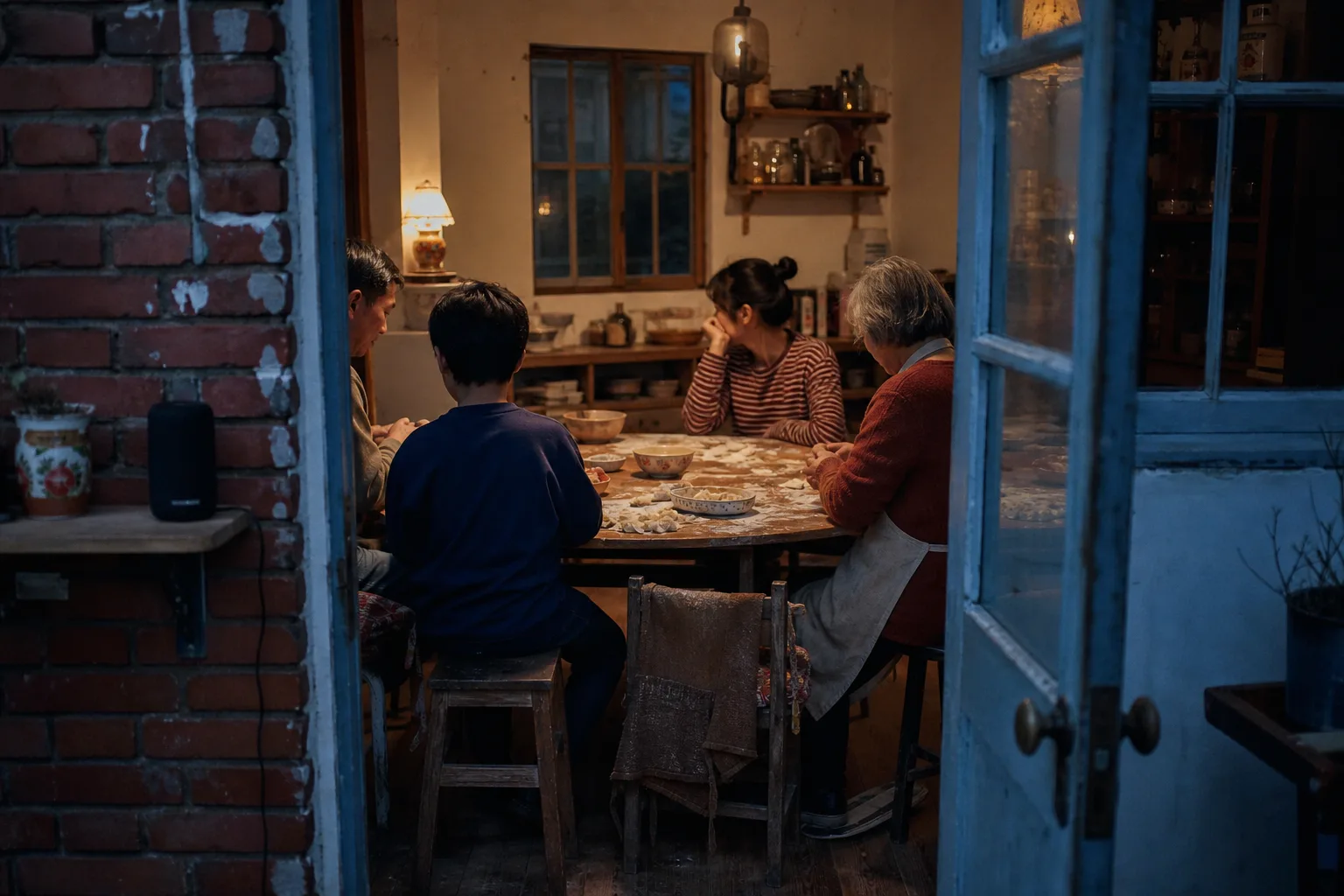
Let the person hear the full lyric, pause, edit, or decline wider sharing without an audience waiting.
Use only shared, current, public-safe details and avoid making one person the subject of a staged reaction.
Focus on the relationship and rituals since the date; re-confirm terminology rather than treating the original version as permanent.
Preserve the old track as a historical document while allowing the person at its center to reshape the story later.
Story examples
These are transparent story examples, not fake audio demos. They show how real details become a creative direction and a singable lyrical moment.
Story Example
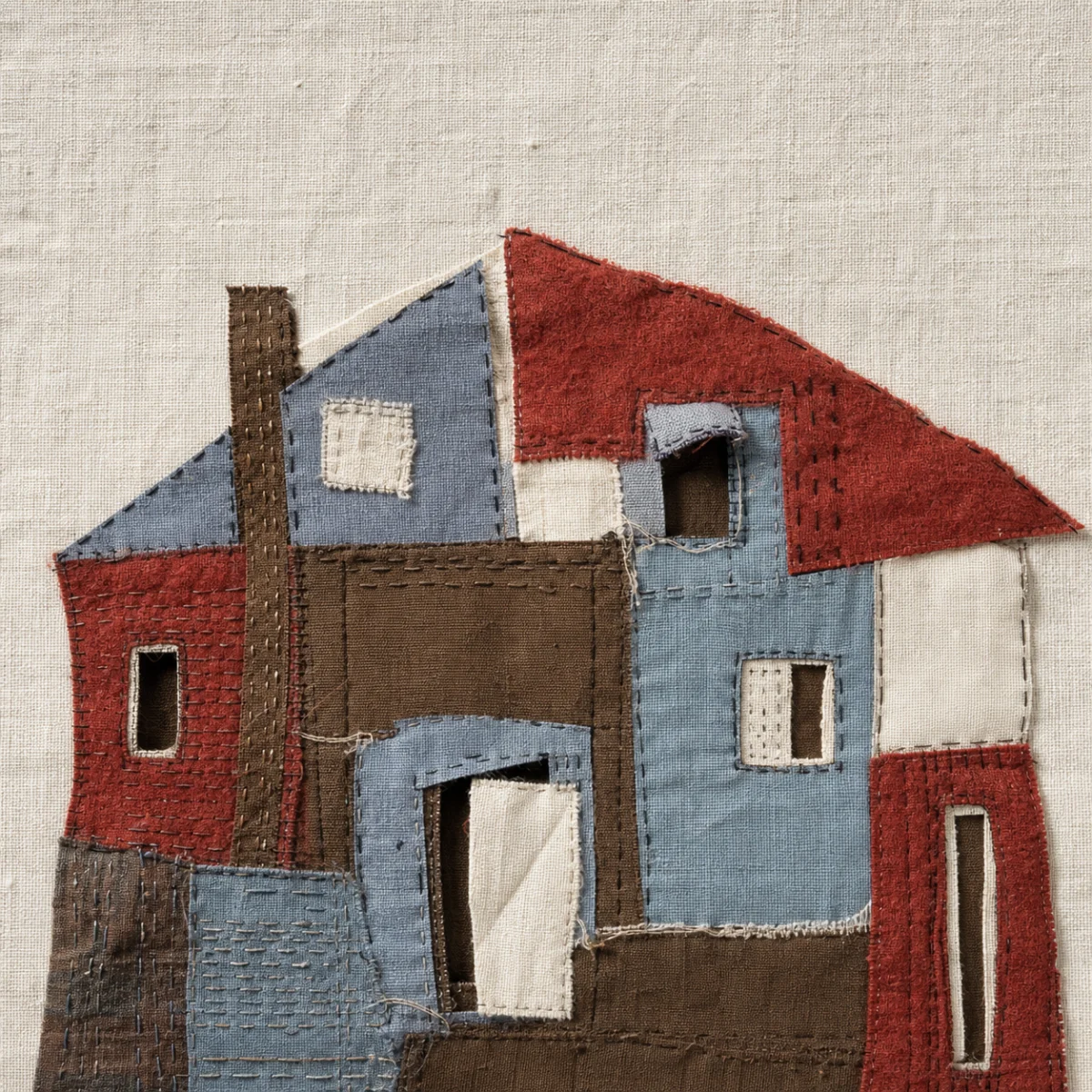
Parents Mara and Elise are creating a private song for twelve-year-old Niko with his participation. He wants to include the first drive home, the blue table where everyone kept losing their keys, learning to make dumplings together, and the family's Friday science-fiction ritual. He does not want court, birth-family, or school-transition details in the lyric.
Direction: Hopeful folk with textured acoustic guitar and steady drums. Keep the first meeting understated, build belonging through later routines, and make no claims about destiny or gratitude.
Story Example
An adult adoptee writes a song for herself about visiting her city of birth, returning to the family who raised her, keeping both surnames, and refusing the idea that one home cancels another. The track is private and uses only details she chose.
Direction: Restrained soul with low keys, brushed rhythm and an assured vocal. Allow complexity without forcing resolution; the chorus should hold multiple origins rather than choose one.
Story Example
A family marks ten years since siblings Ava and Micah joined their home. Include the porch light left on during late school rehearsals, annual camping breakfasts that always burn, and the siblings' request that the song celebrate the present rather than recount adoption logistics.
Direction: Cinematic acoustic build with sibling harmonies. Open in current family life, use the anniversary only as a frame, and end with the porch-light image.
Keep exploring
Creatune Personalized Songs
A welcome made from the first true details
Many branches, one singable line
Questions before you create
Describe what each person learned, chose, and practiced without saying the adoptee was saved, completed a family, owed gratitude, or was destined to replace another history. Use preferred language and ordinary family routines. The person whose life is centered should control sensitive details and wider sharing.
Yes. An adult adoptee can define the vocabulary, memories, origins, relationships, contradictions, and exclusions themselves. The song does not need to resolve complex feelings. It can hold several homes, names, cultures, or truths without giving the adoptive family the only narrative voice.
Do not publish legal, medical, trauma, placement, birth-family, immigration, school, or identifying details without explicit permission. A public version can focus on shared routines, family humor, places, and present relationships. Create the private version first and let the listener decide what travels beyond it.
Yes, when that date and terminology feel right to the person being celebrated. Ask what the day means now and focus on the years of relationship that followed. Some people prefer family anniversary, homecoming, or no label at all; use the term they choose.
The gift can be surprising, but private history and public exposure should not be. Let the person hear and review it privately before playing it at an event or posting it. A respectful surprise gives the recipient control rather than arranging a filmed emotional response.
Your turn
State who owns the story, which language feels right, and what belonging looks like in everyday life now.
Create an adoption song