Daily ritual
A repeatable action with a time, room, sound, object, route, meal, or phrase the family recognizes immediately.
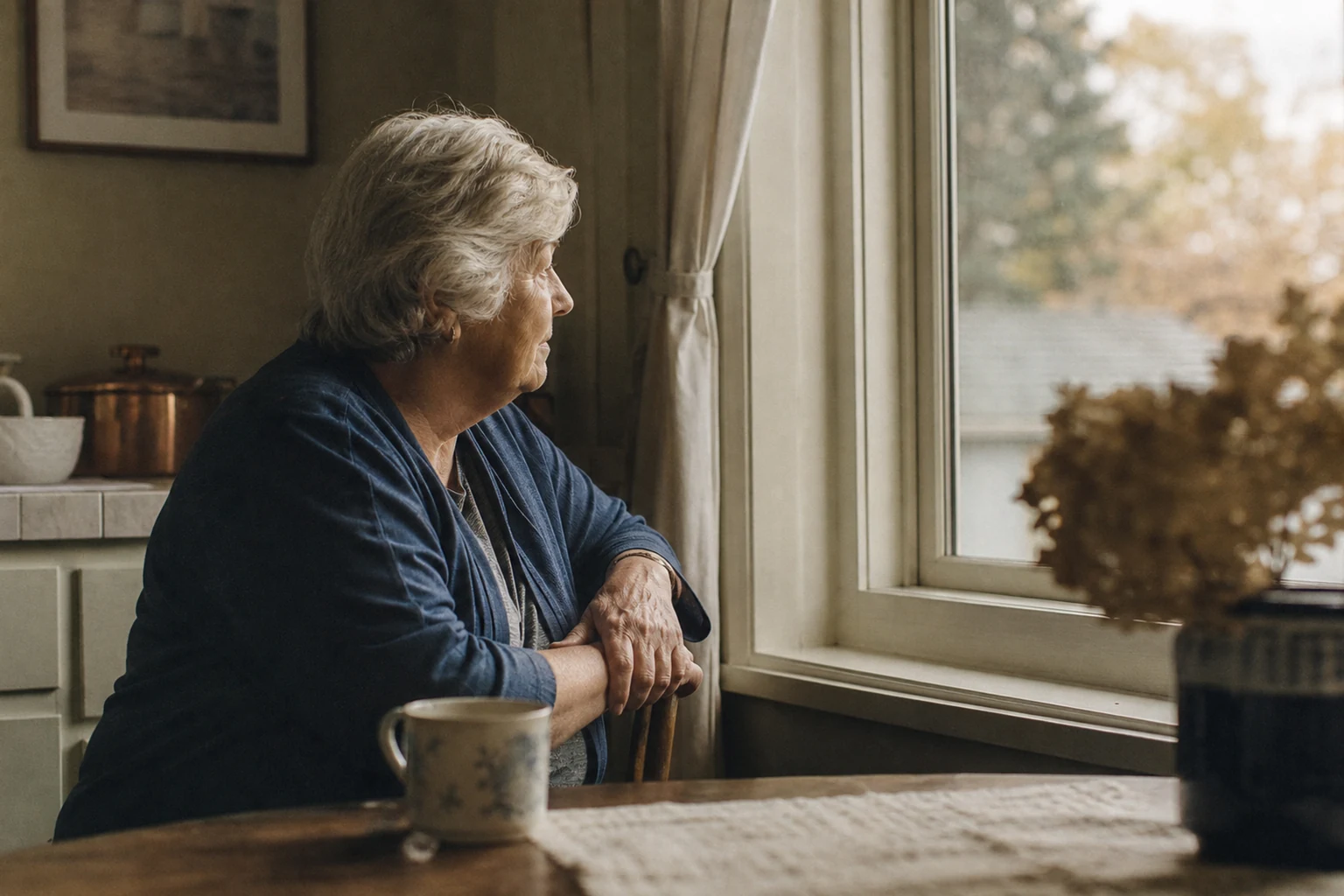
A life heard in familiar details
Start with the watch they wound, the book left open, the route they walked, the joke they repeated, the work of their hands, or the chair everybody still notices. Shape those verified details for a service, celebration of life, anniversary tribute, photo film, or private family listening.
Start the song
Replace each blank with real names, moments, and details—the more specific you are, the less generic the song. Everything stays editable in the studio before anything is generated.
What you are making
Memorial language often becomes broad precisely when the person was specific. They loved everyone, lit every room, and will never be forgotten may be sincere, but a family recognizes the pencil behind an ear, the Saturday bus route, the radio left on during breakfast, the exact way a name was shortened, or the chair repaired three times rather than replaced. Those details let character emerge without turning a life into a list of virtues.
Begin the Creatune prompt with the setting because a funeral service, celebration of life, private family evening, anniversary remembrance, and photo tribute have different limits. Add verified details, name pronunciation, faith language, subjects to avoid, point of view, target length, and playback responsibility. The family should review the lyric before music so no model is asked to guess a final thought, belief, cause, relationship, or afterlife claim.
The person before the tribute
One ordinary action can hold more truth than a paragraph of praise.
Ask several people for a small scene rather than an adjective. Someone remembers the thermos rinsed every night; another remembers exact change for the bus; another remembers how the person paused before answering a child. Sort these scenes into care, work, humor, curiosity, ritual, place, and relationship. Select two or three that reveal a pattern instead of trying to represent every year.
A memorial song does not need to explain death. It can remain with life: the meal, craft, route, garden, classroom, workshop, music, faith practice, family phrase, or way the person made other people less hurried. Avoid saint-making. Warmth can coexist with reserve, complexity, stubbornness, dry humor, or unfinished relationships when the family agrees those truths belong in the tribute.

A repeatable action with a time, room, sound, object, route, meal, or phrase the family recognizes immediately.
What they taught, repaired, noticed, asked, protected, challenged, cooked, organized, or made easier.
A verified saying, nickname, laugh, story rhythm, or harmless recurring joke—never fabricated quotation.
A practice, standard, recipe, question, place, relationship, or permission that others still carry.
Memorial tone and setting planner
A service track needs accurate pronunciation, a clear opening, controlled duration, broadly understood details, and language appropriate to the officiant, community, and closest family. A celebration of life can hold more humor and room recognition, but inside jokes still need context. A private family version may include vulnerability, conflict, medical reality, or intimate phrases that should never be carried into the public edit.
An anniversary remembrance has a different time position: it can acknowledge how routines and relationships changed after the death without claiming grief is complete. A photo tribute needs music that supports visual transitions and leaves space around spoken recordings. Decide which edit is primary before drafting; do not force one lyric to satisfy a sanctuary, social post, family room, and public video simultaneously.
Time limit, approved faith language, service order, pronunciation, public-safe facts, venue rules, and a dependable cue.
Recognizable humor, work and community detail, room participation, family approval, and no surprise disclosure.
Closer language, fuller relationship truth, no pressure to perform grief, and an unrecorded first listen when preferred.
Life continuing around absence, a visual edit structure, archive permissions, and language that does not declare closure.
Fact, faith, and privacy review
Create a verification sheet for names, pronunciation, dates, locations, family relationships, military or professional titles, quotations, and the ownership of photographs or recordings. If contributors remember an event differently, choose a detail everyone accepts or leave it out. Do not make a model resolve family history. The closest family decision-maker should review the complete lyric, not only a summary.
Use faith and afterlife language only when the family supplies it. Do not combine traditions, quote sacred text from memory, state that the person is watching, reunited, at peace, or in a better place, or interpret the cause of death. Avoid diagnosis, suicide, addiction, conflict, estrangement, money, and private medical details unless the family explicitly decides they belong and the setting is appropriate.
Names, pronunciation, dates, kinship, titles, quotations, places, contributors, archive ownership, and the exact public setting.
Approved spiritual language, whether death is named, who may be identified, which humor is welcome, and who has final review.
Final thoughts, motives, diagnosis, cause, reconciliation, secret relationships, beliefs, afterlife, or what every relative feels.
When private truth matters but the public service requires a safer, shorter, or more broadly shared lyric.
The room after the final note
Confirm the exact point in the service or gathering, who introduces the track, who presses play, and what happens after it ends. Download two labeled copies to separate devices, test the real sound system, remove autoplay, disable notifications, and provide the file to the officiant, coordinator, or venue before the day. A memorial is not the place to rely on an internet connection or a last-minute version name.
Leave room for the audience. A clean ending may support silence; an instrumental tail may support photographs; a shorter service edit may prevent the song from competing with readings. Seat close family where they feel comfortable and do not surprise them with filming. If the first listen is private, allow people to pause or stop. The song is part of remembrance, not a test of how visibly anyone grieves.
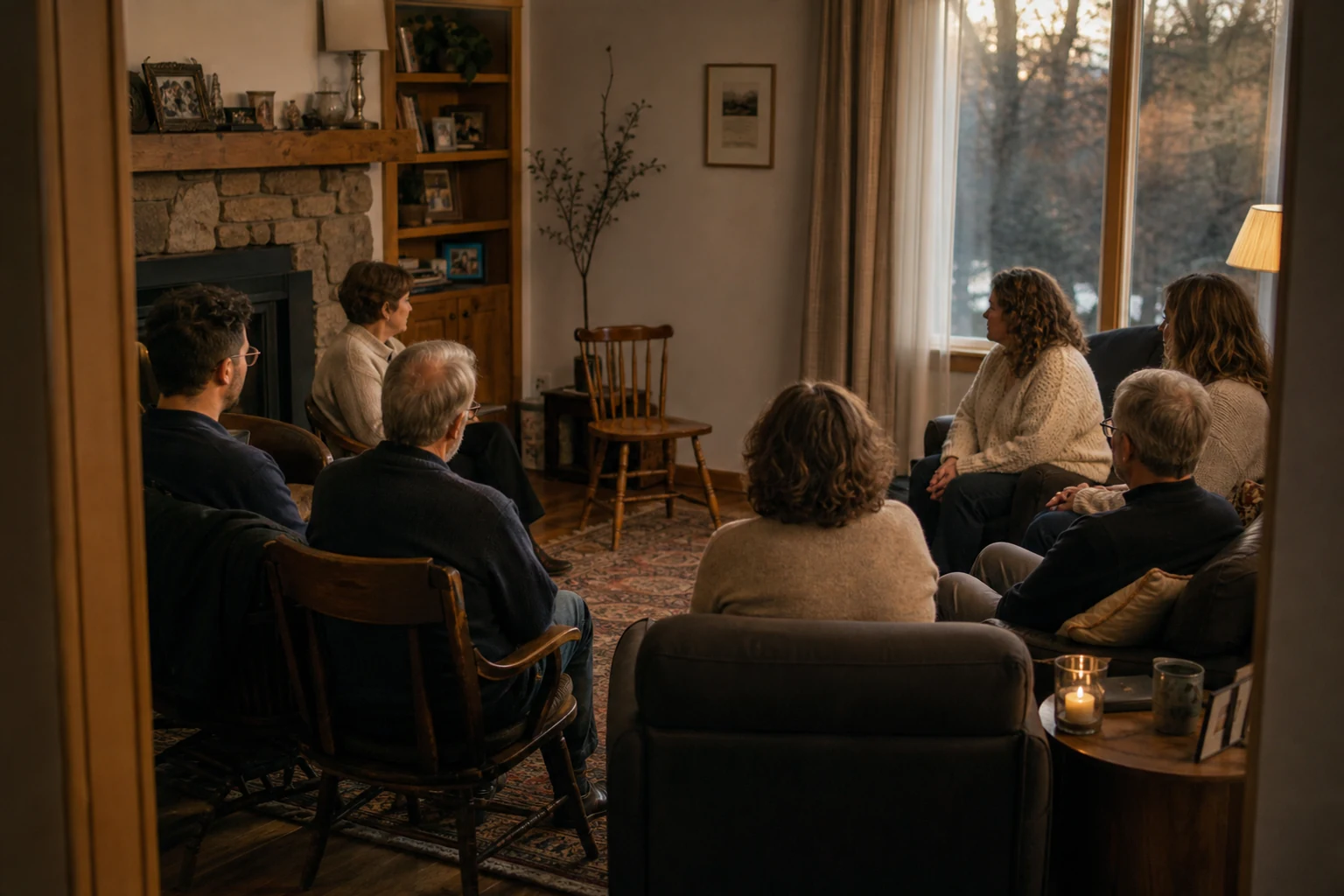
Final family approval, two downloaded copies, clear filename, tested system, named operator, and venue confirmation.
A short introduction, exact start point, correct volume, no notifications, and no dependence on a live account login.
Planned silence, photographs, a reading, conversation, or transition—without forcing applause or a recorded response.
Share only with agreed family and guests, confirm rights before public video, and preserve private versions separately.
Story examples
These are transparent story examples, not fake audio demos. They show how real details become a creative direction and a singable lyrical moment.

Story Example
The Ramirez family remembers grandfather Tomás, a cabinetmaker who kept a pencil behind his right ear, repaired the same kitchen chair three times, whistled boleros while measuring, and taught grandchildren to run a hand along wood before choosing it. The gathering is secular and includes children. Do not mention his final illness.
Direction: Warm acoustic ensemble with nylon guitar, upright bass, light hand percussion, and an unforced vocal. Let craft reveal patience, use the repaired chair as continuity, and make the chorus about the standard his hands left with the family.
Story Example
Maya creates a family-only song for her aunt Celeste, who worked evening shifts, always took the last bus, called from the same stop, read mystery novels with the ending folded shut, and made tea before asking difficult questions. Include the bus-stop light and the folded page. Avoid afterlife language and family conflict.
Direction: Close piano with a small string quartet, patient tempo, and low dynamic range. Follow the bus light into the kitchen ritual and let the final chorus say the family still asks questions with Celeste's patience, without claiming she is present or watching.
Story Example
Former students honor music teacher Denise Ward at a school remembrance. She tuned the upright piano before assemblies, kept spare reeds in a blue tin, counted nervous entrances by tapping two fingers, and ended rehearsals with ‘leave the room kinder.’ Confirm the exact phrase with her spouse and keep the track under four minutes.
Direction: Warm jazz ballad with piano, brushed kit, muted brass, and a small student-choir response. Use the blue tin and two-finger count, keep the verified phrase for the final chorus, and leave an eight-second instrumental ending for projected class photographs.
Keep exploring
Creatune Personalized Songs
Many branches, one singable line
A thank-you made from real details
Questions before you create
Include the person's preferred name and pronunciation, your relationship, two or three verified habits or life details, what those actions revealed, the intended setting, approved faith or secular language, subjects to avoid, and the target length. Let ordinary evidence reveal character instead of trying to summarize an entire life.
Yes. Confirm the service order, time limit, officiant or venue rules, public-safe details, pronunciation, faith language, and playback operator. Have the closest family decision-maker review the entire lyric, deliver the final file before the event, keep two downloaded backups, and plan what follows the ending.
Yes when the family verifies it and the setting welcomes it. Use humor that reveals the person without embarrassing relatives or exposing private history. Confirm any quotation word for word. An inside joke may need one line of context for a public room, while a more intimate version can remain with the family.
Only when the family explicitly supplies and approves that language. Do not infer belief, combine traditions, quote sacred text casually, or claim the person is watching, reunited, free of pain, or in a better place. A dignified memorial can remain entirely with verified life, relationship, influence, and remembrance.
Ask each person for one small scene, object, phrase, place, or habit they personally remember. Sort contributions by theme, verify conflicting details, and select two or three that create an arc. Credit contributors outside the lyric, appoint one family reviewer, and create separate private and service-safe versions when needed.
Your turn
Describe who you are remembering, where the song will be heard, and which truths the family has verified and chosen to carry.
Create a memorial song