Door
The key, threshold, first carried object, greeting, hesitation, or person who crossed first.
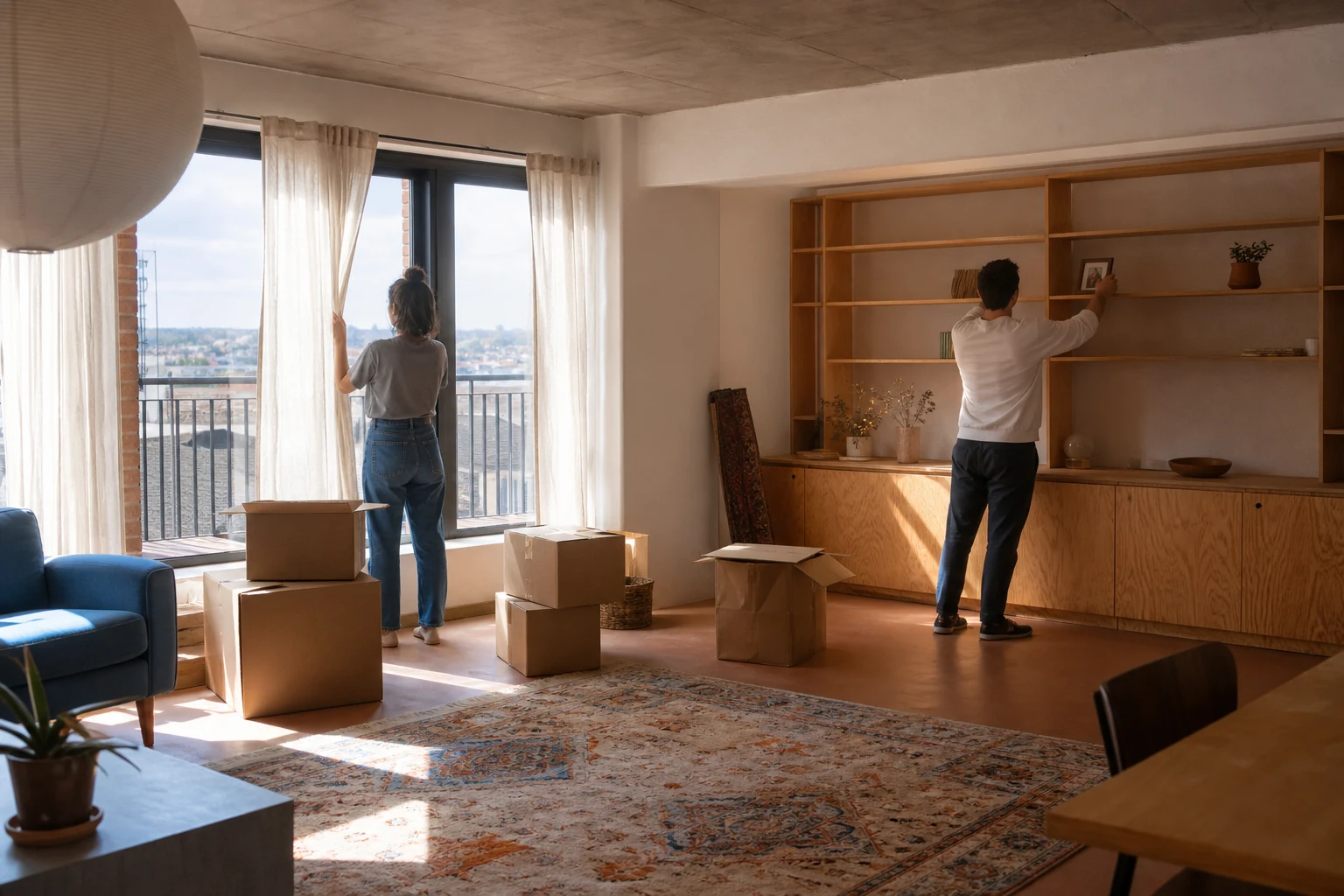
An address becoming a life
Start with the stubborn key, the box used as a table, the light in one window, the first meal, the unfamiliar street at night, or the room that still echoes. Shape a private gift or housewarming track around what the people are leaving, beginning, and hoping this place will eventually hold.
Start the song
Replace each blank with real names, moments, and details—the more specific you are, the less generic the song. Everything stays editable in the studio before anything is generated.
What you are making
New-home gifts often celebrate a polished ending: keys in hand, boxes gone, rooms complete. The more recognizable story begins earlier. One burner works. The hallway carries every footstep. Dinner sits on a carton. A neighbor explains the bins. A child chooses the smaller room for its window. Two people argue kindly about where the mugs belong. These details make home visible before decoration does.
Creatune maps the move from threshold to daily life. The agent asks who is moving, whether the place is rented, purchased, shared, temporary, rebuilt, returned to, or chosen after a difficult transition; what was left behind; which room, sound, route, and first ritual matter; and how the song will be heard. Ownership status, price, renovation, marriage, children, and permanence never need to become the measure of belonging.
The house-to-home map
A spatial route gives the song structure without turning it into a real-estate description.
Use the threshold for arrival: the key that sticks, the first box carried in, shoes in an unfamiliar hallway, or a pet refusing to cross. Move to the kitchen for early ritual: takeaway on the floor, one saucepan, coffee before curtains, or a recipe made to test the oven. The window can hold light, weather, a train line, schoolyard, fire escape, tree, or view that begins orienting the household.
The street widens the story beyond rooms. Name the corner shop, bus sound, elevator, neighbor, hill, market, or route home that will become ordinary. End with a future scene small enough to believe: birthdays at the table, plants surviving one season, a friend knowing which doorbell to press, a quiet Sunday, or another box opened when there is finally time.

The key, threshold, first carried object, greeting, hesitation, or person who crossed first.
The first drink or meal, one working appliance, mug argument, recipe, table substitute, or smell.
Light, weather, view, traffic, neighbor, shop, route, stairs, elevator, or sound locating daily life.
One ordinary scene the household hopes the place will hold—not a promise of permanence or perfection.
More than ownership
A first rental may represent privacy, safety, adulthood, or simply relief from a long commute. Moving in together needs two histories and negotiated habits; the lyric should not treat it as a rehearsal for marriage. A family relocation can hold excitement beside grief for school, language, neighbors, or grandparents left at a distance. Returning to a childhood town may feel like recovery, compromise, duty, or choice—not automatically coming home.
Temporary housing can still contain care and belonging. Do not call a place forever unless the household does. Avoid mortgage, investment, property value, square footage, renovation success, and ‘finally made it’ language unless those facts genuinely carry the emotional job. Focus on control of a door, permission to rest, shared routine, chosen proximity, or the ability to invite someone in.
Independence, privacy, budget reality, found furniture, neighborhood discovery, and the first routine that belongs to them.
Two sets of objects, habits, names, work rhythms, pets, histories, and decisions—without inventing the next milestone.
Each person's loss and discovery, a shared first ritual, school or route changes, and connection to the previous place.
The honest reason, boundaries, relief, complexity, chosen details, and belonging that does not depend on duration.
The first-night brief
Collect the brief while boxes still have labels. What did nobody remember to pack? Which object was opened first? What was the first sound after the door closed? Who slept badly, laughed, cried, ordered food, assembled the bed backward, or found the fuse box? These fragments create a vivid first verse and prevent the song from becoming a future fantasy detached from the actual move.
Include one detail from the old place to create contrast, but do not make departure the whole song. A move caused by separation, housing insecurity, work loss, displacement, care responsibility, or safety may require a private, restrained direction. Ask what language is welcome and what should not be made inspirational. New beginnings can be real without pretending the previous chapter ended neatly.
The label, missing object, first item unpacked, makeshift table, or thing that remained sealed longer than expected.
Meal, night, visitor, repair, sunrise, disagreement, laugh, shower, song, or successful trip back to the door.
A sound, distance, room, routine, or feeling that differs from the previous place without declaring the move purely better.
To rest, host, begin slowly, close the door, decorate later, learn the street, or let the place remain unfinished.
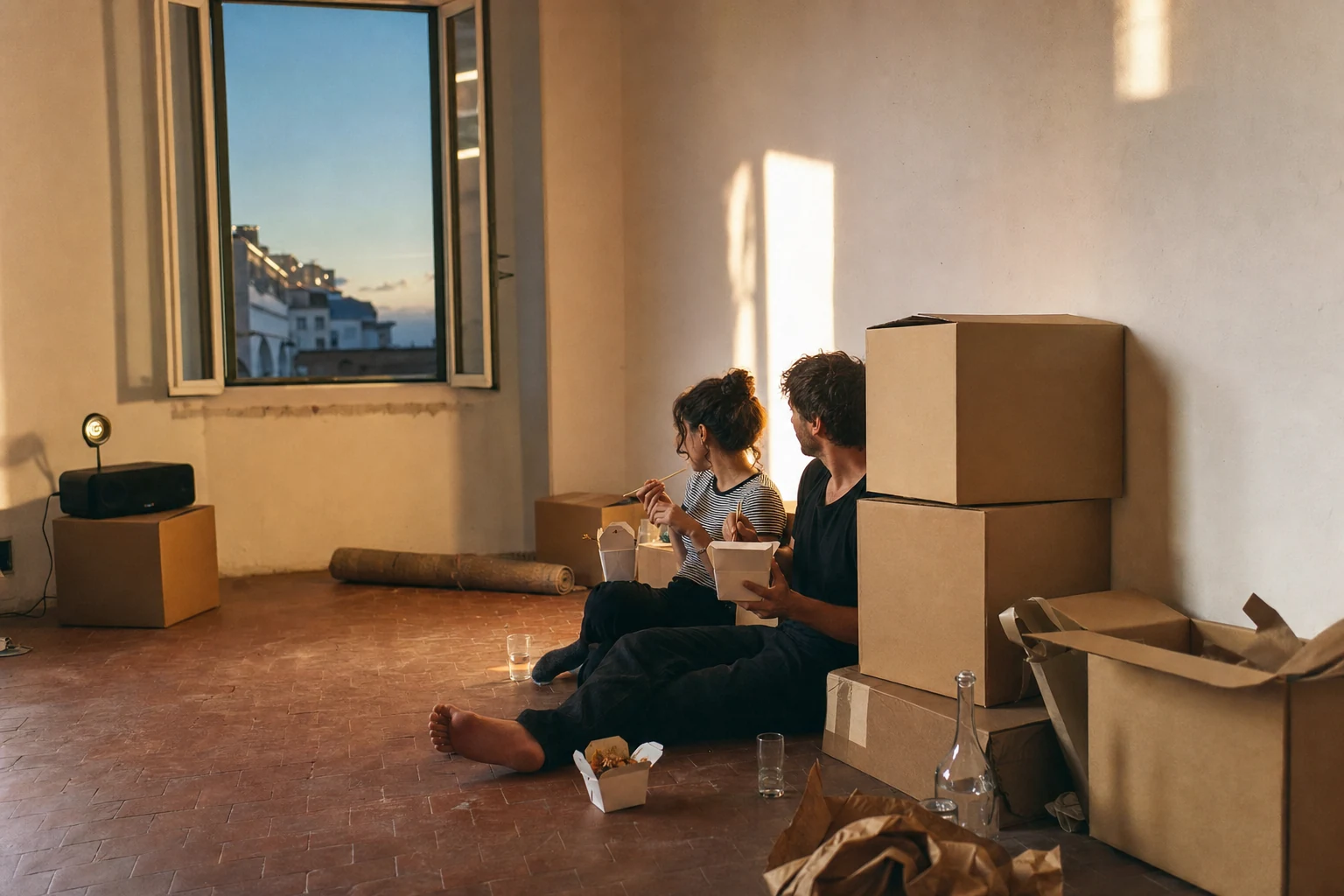
Private floor or housewarming room
A private first-night track can be intimate and lightly produced, played from a phone or small speaker while people sit on the floor. A housewarming version needs a faster orientation, public-safe references, and a chorus guests understand without knowing the entire move. A remote gift should include a note explaining the details and arrive after the household has enough attention to listen—not during the moving truck or key exchange.
Empty rooms echo. Test the volume, keep vocals clear, download the file, and avoid playing late if neighbors are close. At a gathering, assign one person to introduce and play the exact version. Do not reveal purchase price, address, security details, financial help, relationship changes, or reasons for moving to a room that has not been told. The first song in a home should make the space feel inhabited, not exposed.
Simple arrangement, comfortable volume, small speaker, no staged reaction, and room for exhaustion or mixed emotion.
Quick context, recognizable room detail, public-safe lyric, stronger hook, assigned playback, and neighbor-aware volume.
A direct file and written note, flexible timing, correct names, no address in the filename, and no expectation of immediate response.
Structure matched to visual stages, private information removed, usage rights checked, and home security kept offscreen.
Story examples
These are transparent story examples, not fake audio demos. They show how real details become a creative direction and a singable lyrical moment.

Story Example
Rina's friends create a housewarming song for her first solo apartment. Include the key that needs lifting before it turns, noodles eaten on box seven, the blue light from the laundromat across the street, and the first Sunday she slept past seven because the commute is shorter. Do not mention rent, salary, or call the apartment permanent.
Direction: Sunny indie pop with clean guitar, dry drums, and a conversational vocal. Use the stubborn key as the opening rhythm, let the laundromat light locate the room, and make the chorus about time returning to Sunday.
Story Example
Eli and Sam make a song for their first shared rental. Include combining two mismatched mug collections, Sam's bicycle blocking the hall, Eli's cat choosing the top stair, and their agreement to keep Wednesday dinners phone-free. Avoid marriage or forever language; the message is choosing a daily life now.
Direction: Warm folk with mandolin, acoustic bass, and close harmony that remains two distinct voices. Build from the cramped shelf into the Wednesday ritual and let the chorus celebrate negotiated ordinary life rather than a predetermined future.
Story Example
The Chen family returns to their coastal hometown to help care for a grandparent. The parents and two teenagers have mixed feelings. Include the east-facing breakfast window, suitcases still under beds, the old bakery using a new name, and video calls with friends in their previous city. Do not frame the move as destiny or erase the teenagers' loss.
Direction: Cinematic soul with piano, restrained strings, and alternating family voices. Let familiar light coexist with changed streets, give the teenagers' distance real space, and end with learning the place rather than declaring they have arrived emotionally.
Keep exploring
Questions before you create
Include who is moving, what kind of transition it is, one threshold detail, a kitchen or first-night scene, a window, street, neighbor, or route detail, what was left behind, and one believable future memory. Focus on lived experience rather than property value, ownership, renovation, or assumptions about permanence.
Yes. Emotional legitimacy does not depend on ownership or duration. Use privacy, control of a door, shared routines, proximity, relief, a chosen room, or the ability to host. Avoid ‘forever home,’ investment, success, and permanence language unless the recipient explicitly uses it.
It can be when the lyric uses public-safe details guests recognize. Ask whether financial help, reasons for moving, relationship changes, address, or security information must remain private. Use a clear hook, test the echoing room and speaker, assign playback, and let the household choose whether the first listen is private.
Use the sticking key, first meal, box label, missing tool, window light, stair sound, pet reaction, neighbor, corner shop, bus route, furniture debate, first visitor, or routine that began before unpacking finished. One physical detail from each part of the home creates stronger recognition than describing décor.
Yes. A move may follow separation, displacement, work, care duties, housing insecurity, safety needs, or a loss the recipient does not want reframed as destiny. Ask what may be named, keep sensitive context private, allow grief and relief to coexist, and offer an open next scene rather than a forced fresh-start message.
Your turn
Tell the agent what crossed the threshold, what the household left behind, and which ordinary future this place may begin to hold.
Create a new-home song