Childhood action
One scene with place, object, behavior, and reliable memory ownership instead of broad praise.
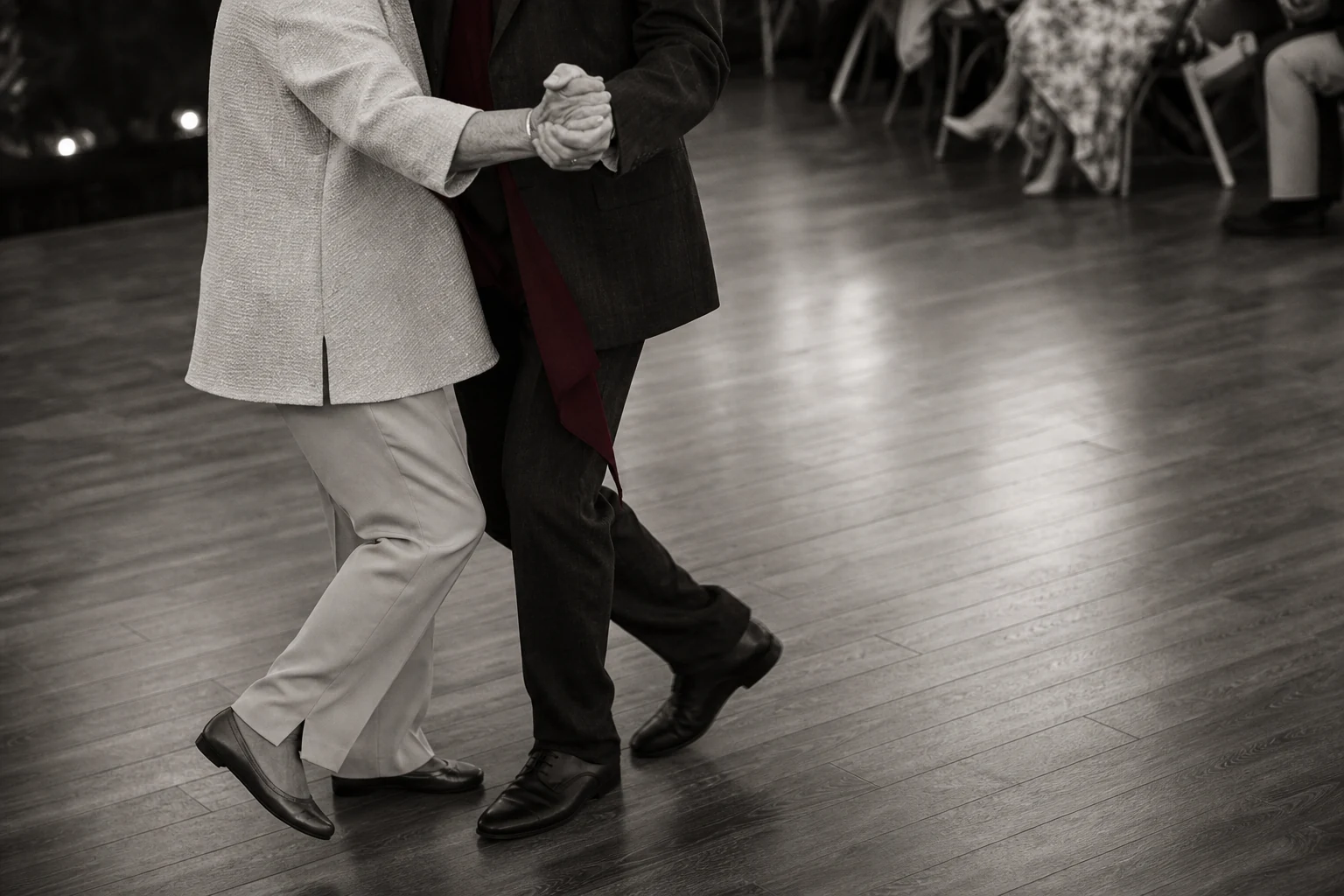
Childhood, guidance, release, and a bond that continues
Build a parent-child or chosen-family wedding song from one lived childhood action, the guidance it became, and the relationship that remains after the dance ends.
Start the song
Replace each blank with real names, moments, and details—the more specific you are, the less generic the song. Everything stays editable in the studio before anything is generated.
What you are making
The dance may be between a mother and daughter, father and son, parent and child, stepparent and adult child, adoptive family members, grandparents, siblings who raised one another, or another chosen relationship. The useful question is not which stock parent-dance song fits the label. It is which action proves the bond and what change the wedding asks the family to acknowledge.
Creatune builds an arc from childhood action to guidance, adult recognition, release, and continued connection. Release does not mean ownership was transferred. It can mean trusting the adult child's choices, welcoming a partner, changing how support is offered, or honoring a family bond in public. The Agent adjusts for grief, estrangement, blended families, multiple caregivers, mobility, and privacy instead of forcing a sentimental template.
A family-specific story arc
Concrete care is more believable than idealized parent language.
Open with an action: packing lunches with handwritten weather notes, waiting outside late rehearsal, repairing a costume before dawn, teaching a nervous driver to check the mirror, or calling after the first week away. The object and action make the memory singable. They also prevent the lyric from reducing a complicated person to ‘you were always there’ when that claim may not be true.
Move from the action to its adult meaning. Patience may now appear in how the child handles conflict. Curiosity may shape their work. A family joke may survive in the new household. The wedding transition should name what changes—home, daily proximity, role, or chosen partnership—while keeping the parent-child bond active and correctly sized. Continued love is not a claim on the couple's decisions.
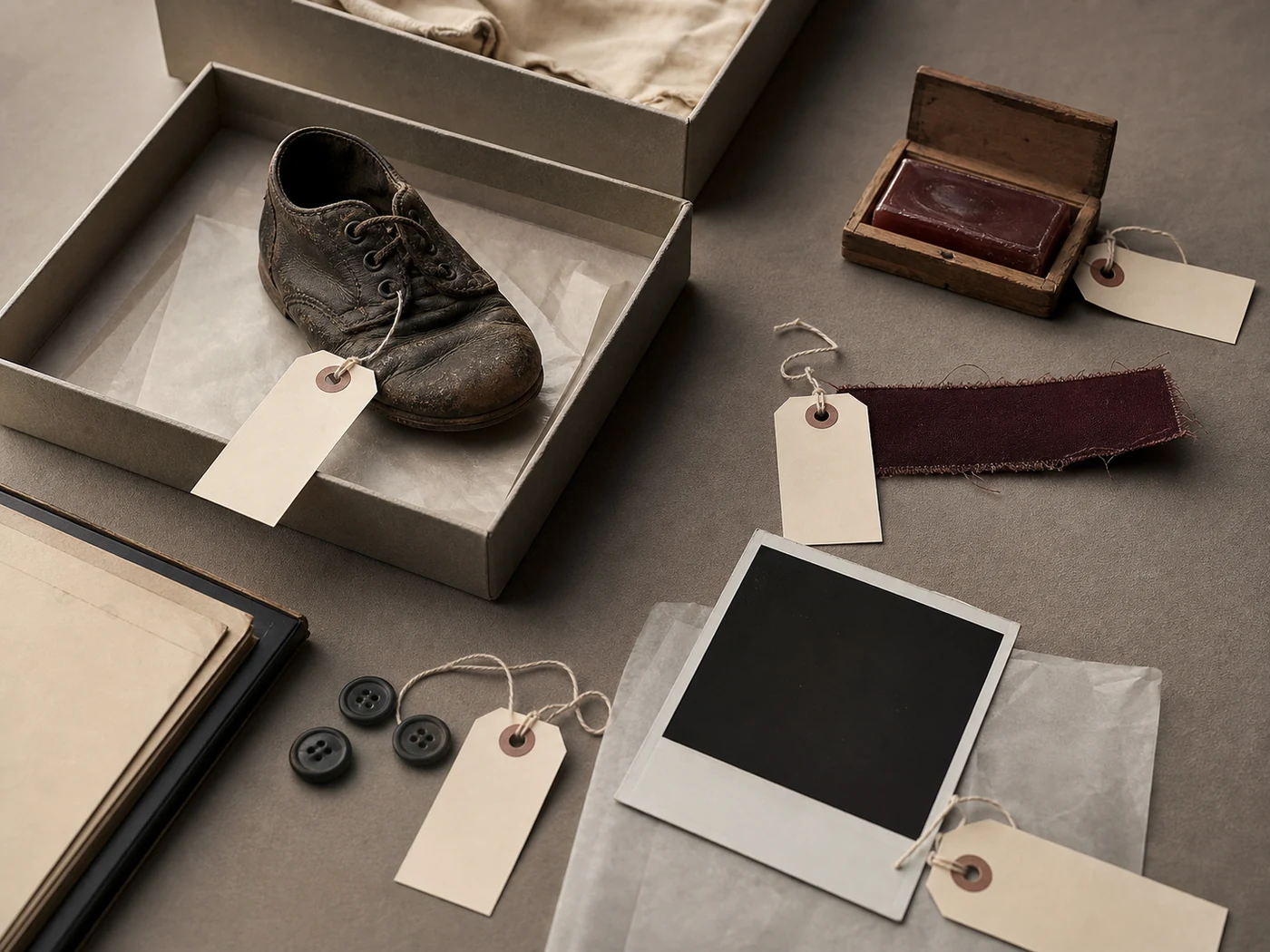
One scene with place, object, behavior, and reliable memory ownership instead of broad praise.
A lesson shown through the adult child's current choices rather than quoted as a slogan.
Trust, welcome, or changing support replaces automatic language about giving someone away.
The relationship remains present but does not compete with or supervise the new marriage.
Family reality belongs in the brief
A parent dance can include a stepparent, adoptive parent, grandparent, sibling, family friend, or several caregivers. Ask who is dancing, who is present, and whose contribution should be named. Avoid silently ranking caregivers. If one parent has died, decide whether the dance is a tribute, a current relationship moment, or both. Memorial language should not take over unless the people dancing want it.
Estrangement and repair require consent. Do not write a reconciliation that has not happened or use the wedding to pressure public forgiveness. If the relationship is affectionate but not verbally demonstrative, keep the song understated. If the parent-child pair uses humor, include it without exposing embarrassing childhood details. Make a guest-safe lyric and preserve fuller context privately when necessary.
Use the relationship terms the people themselves use and credit care without erasing anyone else.
Name absence only at the desired level and keep the living relationship central to the current dance.
Acknowledge change without claiming complete healing, forgiveness, or closeness that has not been agreed.
Protect family history, health, conflict, adoption details, and other people's stories from the reception room.
Memory must fit the movement
Measure the walk onto the floor, comfortable step, desired turn or embrace, and exit or guest invitation. A parent dance often works between two and three minutes, but the correct length depends on mobility, emotion, venue schedule, and whether another family pair joins. Build an early stable pulse so both people can settle. Place the central recognition line after they have found their movement.
Piano soul carries conversational gratitude without requiring a formal waltz. Folk waltz offers a gentle three-beat motion when the pair is comfortable with it. Warm orchestral pop supports a broader room while leaving space for a simple sway. Avoid a tempo change that surprises the dancers. Decide whether the ending is a held embrace, clean stop, DJ fade, transition to another pair, or invitation for guests.
Steady slow pulse, clear vocal, warm harmony, and room for one childhood detail to return in the chorus.
Gentle three-beat movement, acoustic texture, and an unforced story for pairs who want a rotating step.
Accessible beat, wider final chorus, and an emotional lift that still supports a simple sway.
Embrace, stop, fade, handoff, or guest invitation is written into the DJ cue rather than improvised.
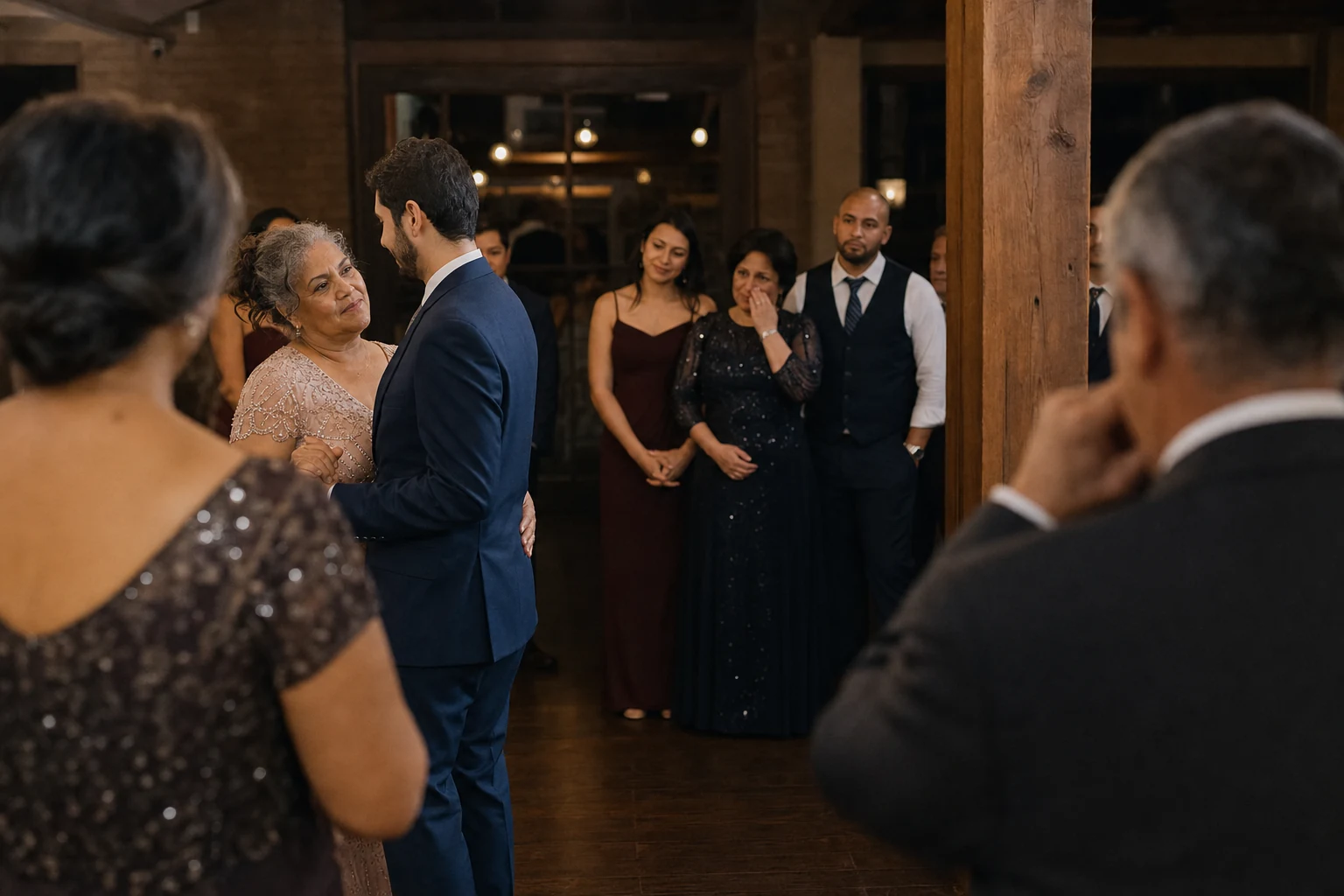
Rehearse care as well as timing
Read the complete lyric with the parent and adult child unless the surprise has a clear trusted approver. Confirm names, pronunciation, relationship terms, childhood facts, absent family, partner references, and what may be heard by guests. Do not use a parent's private letter, a child's adoption history, or another caregiver's story without permission. A printed lyric can help when hearing access or room acoustics are concerns.
Practice once in wedding shoes or a close approximation and check the floor surface, steps, clothing, mobility aids, and route. Send the DJ one labeled final file with walk-on, first chorus, transition, and ending notes. Keep offline backups with the coordinator. If emotion interrupts the dance, the music should be able to continue or fade safely without making the pair feel they failed a performance.
Both people or a trusted approver verify memory ownership, family labels, privacy, and the intended transition.
Tempo and length adapt to bodies, clothing, floor, and comfort rather than choreography expectations.
Clear diction, suitable volume, speaker placement, and optional printed lyrics help the story reach the people dancing.
The DJ knows how to hold, fade, or transition if the pair pauses or chooses to leave the floor early.
Story examples
These are transparent story examples, not fake audio demos. They show how real details become a creative direction and a singable lyrical moment.
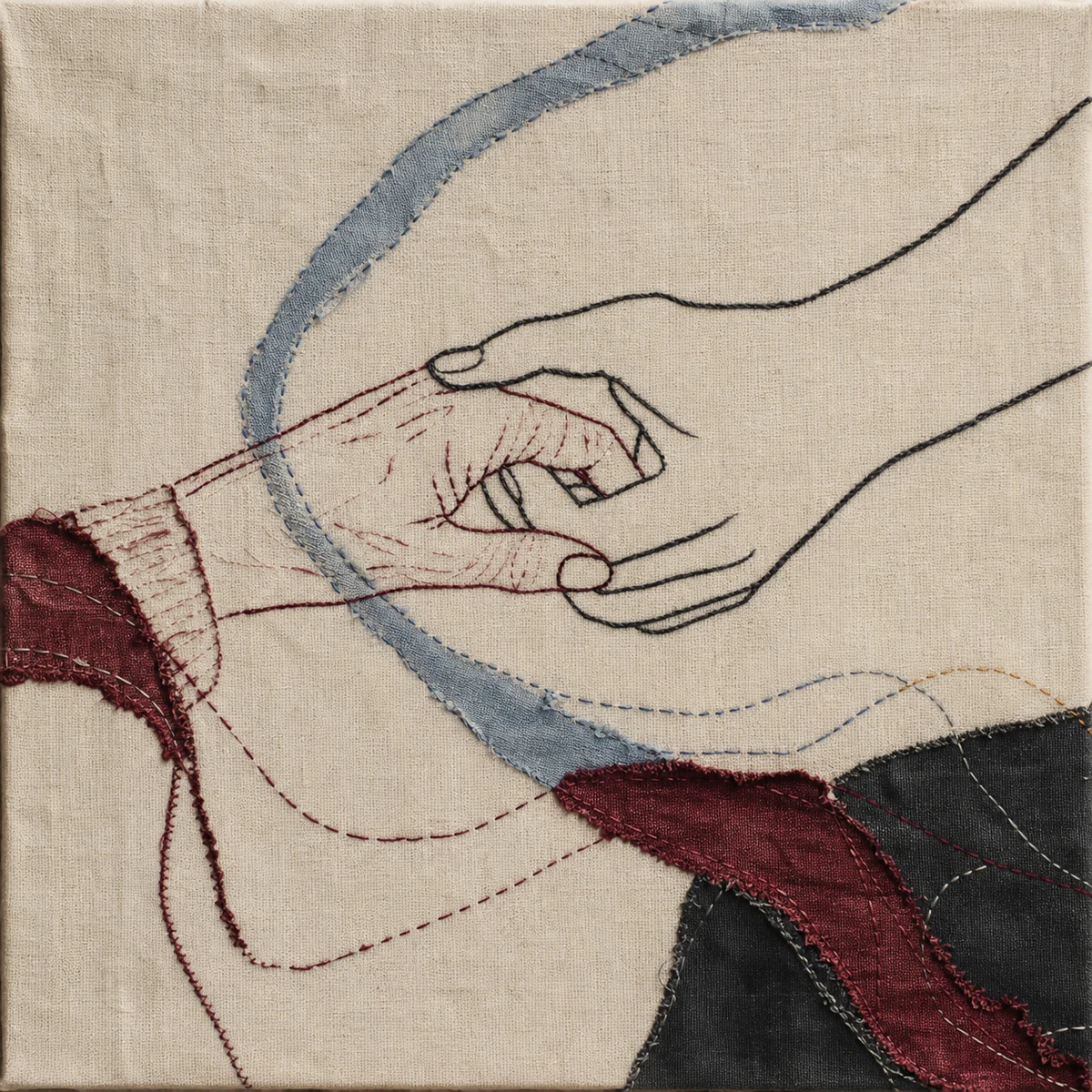
Story Example
Elena taught her son Mateo to drive in an empty market lot and always said to check the mirror twice. He now uses the phrase before difficult decisions. Their dance is 2:20 with a simple sway. Welcome his husband Jonah without describing marriage as leaving the family. Keep a difficult divorce private.
Direction: Piano soul with warm bass, brushed drums, close male vocal, and a stable pulse from the first verse. Return to the mirror action in the chorus and end on an embrace rather than a fade.
Story Example
Auntie June raised Nia through her teenage years and repaired Nia's school uniform before sunrise on exam day. Nia wants to thank her as chosen parent. The dance is 2:45, June prefers understated language, and no biological-family comparison should appear.
Direction: Folk waltz with acoustic guitar, fiddle used lightly, upright bass, and a warm female vocal. Keep the arrangement intimate, let the repaired button become the hook, and avoid a dramatic key change.
Story Example
Darius attended every school orchestra concert and always saved the second chair for his daughter's violin case. At her wedding, she wants to acknowledge his quiet support and welcome her wife. Her late mother may be named in one approved line, but the dance should remain a living father-daughter moment.
Direction: Warm orchestral pop with piano, restrained strings, light drums, and a clear female vocal. Use one memorial line in the bridge, then return to the chair image and present-day gratitude.
Keep exploring
Your story, composed for the room
A love story designed for bodies moving in a real room
A thank-you made from real details
Questions before you create
Include the exact parent-child or chosen-family relationship, one childhood action, the guidance visible in adulthood, the wedding transition, and how the bond continues. Also specify public-safe boundaries, dance length, mobility, tempo, partner references, family complexity, name pronunciation, and the planned ending for the DJ.
No. Giving-away language can feel inaccurate or possessive and should appear only when the people dancing intentionally choose it. A personalized song can instead acknowledge trust, adulthood, welcome, changing daily roles, or continued support. The new marriage does not require the parent-child relationship to disappear or transfer ownership.
Yes. Use the relationship terms the pair prefers and build the lyric from actions they actually experienced. The Agent can adapt the arc for adoption, blended family, multiple caregivers, grief, or chosen family. It should not compare caregivers, erase absent people, or make biological language the default.
The right length is the time the pair can comfortably enter, settle, dance, and end—often about two to three minutes, but not by rule. Consider mobility, emotion, clothing, floor, venue schedule, and transitions to another pair. Give the DJ a clean stop, fade, or guest-invitation cue.
Decide whose current relationship the dance centers and how much grief or repair belongs in public. Name a deceased parent only with consent and keep memorial language proportional. Do not claim reconciliation or forgiveness that has not happened. A private version can preserve complexity while the reception edit remains safe.
Your turn
Bring one childhood scene, the guidance it became, the transition to acknowledge, and the dance's real length. The Agent will keep the family language honest.
Create a parent dance song