Strength
A boundary, repair, question, request for help, difficult choice, or return—shown without glorifying pain or endurance.

Seen as she is
Begin with the question she would not stop asking, the cardboard structure she rebuilt after it fell, the chair she moved for someone left out, the boundary she learned to speak, or the new route she chose when the expected one became too small.
Start the song
Replace each blank with real names, moments, and details—the more specific you are, the less generic the song. Everything stays editable in the studio before anything is generated.
What you are making
Daughter songs often rely on a small set of inherited images: princess, beautiful girl, father's protector, mother's mirror, future bride, or child who will always need saving. Even when affectionate, those images can make the recipient disappear inside the parent's idea of her. Personalization begins elsewhere—with an action she chose. The child who rebuilt a cardboard tower may now revise complex projects without shame. The girl who made one extra chair may still notice who is outside the conversation. The teenager who argued about a family rule may have been practicing a boundary everyone later learned to respect.
Creatune uses a seen-as-she-is board: strength, joy, independence, and belonging. The agent records age, giver, early sign, present examples, a challenge safe to mention, interests and relationships that are hers, family language, support without control, stereotype-sensitive terms, occasion, audience, and musical direction. The song can hold childhood tenderness while treating the daughter as the author of her present life rather than a symbol of innocence, sacrifice, beauty, or family continuity.
The seen-as-she-is board
Each quality needs an action she owns and language she would recognize.
Strength may look like asking for help, leaving an unhealthy setting, returning to a project, protecting rest, or telling the truth calmly—not only endurance. Joy deserves its own evidence: a collection, dance, research rabbit hole, recipe, sport, game, garden, friendship, or way she changes the energy of a room. Independence is not distance from family; it is the ability to choose, revise, build, refuse, and request. Belonging can name the family as a reliable place without insisting she stay physically close or share every part of her life.
Choose one early sign and two current examples. Avoid converting every childhood trait into destiny. A loud child can become a quiet adult without losing courage; a careful child can learn spontaneity; someone once described as shy may reject that label. Ask which words she uses for herself. Remove princess, beautiful, selfless, fragile, bossy, perfect, or ‘just like your mother’ unless she explicitly enjoys the term. The parent may remember the beginning, but the daughter decides the present meaning.
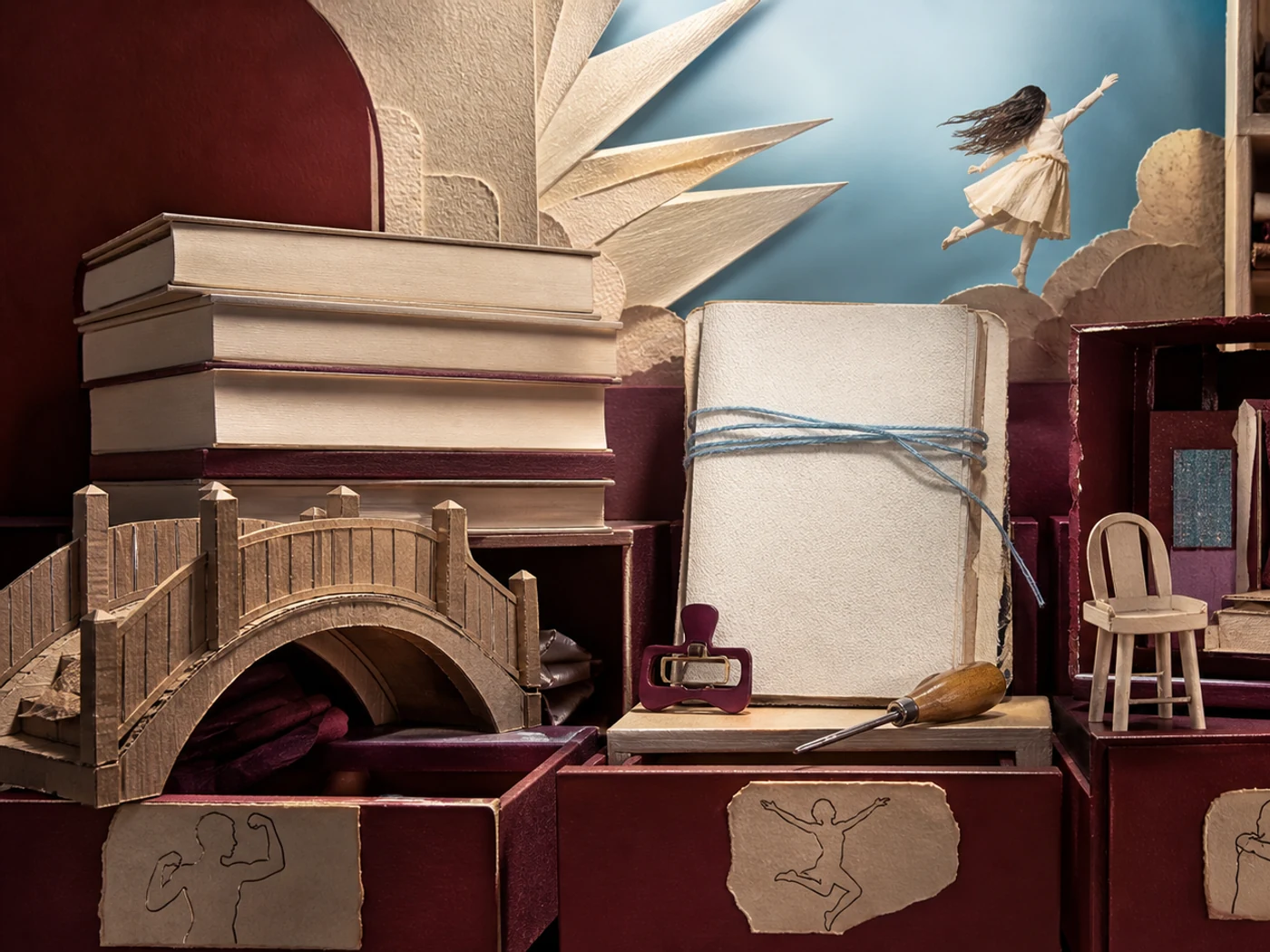
A boundary, repair, question, request for help, difficult choice, or return—shown without glorifying pain or endurance.
What absorbs, delights, energizes, amuses, or connects her outside any family expectation or caregiving role.
A direction, decision, practice, ambition, or way of changing course that belongs to her.
Support and welcome that remain available without requiring proximity, disclosure, sameness, or compliance.
Support without control
Parents may want to promise protection, but an adult daughter can hear that promise as doubt about her capacity. ‘I will never let you fall’ is also impossible. A more respectful line says the parent will answer, make room, tell the truth, or stand nearby when invited. For a child, safety language can stay concrete and immediate. For a teenager, avoid announcing private struggles to prove attentiveness. For an adult, do not use the song to advise on work, relationships, location, appearance, health, marriage, or children.
Check whether the song praises her for caring for everyone, being easy, holding the family together, or sacrificing her needs. Those compliments may reward labor she never chose. If she does care for relatives or friends, name judgment, boundaries, humor, or reciprocity as well as effort. If the relationship is repairing, do not make her responsible for a parent's forgiveness or emotional comfort. Support means allowing her version of events to remain distinct from the family narrative.
Specific safety, delight, permission to ask, and a chorus she can understand now without adult future expectations.
Private first listen, current interests, respect for identity and friendships, and no family-room disclosure.
Trust in her decisions, welcome without guilt, and interest in who she is beyond the role of daughter.
Accurate responsibility, no forced reconciliation, no public surprise, and no demand that she accept the parent's version.
Let her energy choose the sound
Luminous pop can hold movement, confidence, and a bright chorus without reducing the message to inspiration. Acoustic folk suits project objects, family rooms, and conversational trust. Cinematic piano can work for a private transition when the arrangement stays beneath the lyric and avoids a wedding-film default. If she prefers rock, hip-hop, electronic, experimental, roots, or minimalist music, describe those traits directly. Gender does not select the genre; her taste and the story's physical rhythm do.
Map images to structure. An early project can open verse one. A present boundary or decision becomes the turn before the chorus. Joy needs musical space rather than serving only as relief after struggle. The chorus should state what the parent sees and what remains available, not who she must become. Describe instruments, tempo, groove, vocal texture, dynamics, and era without imitating a real artist. When several family members contribute, synthesize shared evidence instead of making a roster of compliments.
Clear pulse, bright but grounded chorus, and movement that celebrates possibility without predicting success.
Tactile objects, family language, close vocal, and room for an understated promise of trust.
Private transition, controlled build, no wedding cliché, and lyric-led emotion rather than spectacle.
Translate the genre she enjoys into tempo, instruments, energy, and texture without gender assumptions or artist copying.

Her story, her audience
A window seat, quiet drive, direct message, breakfast, or walk can protect a personal first listen. A birthday room may suit a child or a daughter who enjoys public gifts, but it should use details she is comfortable hearing in front of others. A graduation, move, wedding morning, career change, or other transition can make the song emotionally intense; do not let the occasion turn into permission to narrate her relationships, identity, health, work, money, fertility, conflict, or private challenge.
Confirm name, pronunciation, preferred terms, and who owns every memory. Download the track, test the real speaker, and avoid filming a reaction by default. Ask whether she wants siblings, partner, friends, or relatives to receive the song later. When a public version is needed, keep agency, joy, and approved family images while removing private struggle and control language. A song saying ‘I see you’ should also show that the parent sees her right to choose what others see.
Private, side-by-side, and useful when the lyric includes change, gratitude, independence, or tender family history.
Age-appropriate joy and public-safe detail, with no expectation that she display emotion for the family.
Trust and belonging around a move, graduation, new work, or life change without prescribing the destination.
Keep approved strength and joy; remove identity, relationships, health, conflict, private challenge, and family pressure.
Story examples
These are transparent story examples, not fake audio demos. They show how real details become a creative direction and a singable lyrical moment.

Story Example
Marta writes for her 28-year-old daughter Lina. At seven, Lina dragged an extra chair into every game; now she notices who has not spoken in meetings and mentors new colleagues. She recently chose a less prestigious role that gives her time for community theater. The song should celebrate judgment and joy, not career status, and will play privately over breakfast.
Direction: Luminous pop with warm synth, live bass, and clear drums. Make the extra chair the opening action, connect it to present inclusion without calling her selfless, and let community theater show a life she actively designed.
Story Example
A father creates a sixteenth-birthday song for daughter Mae, who rebuilt cardboard bridges after they collapsed, now designs stage sets at school, and recently learned to say no to an overloaded schedule. She dislikes being called princess, shy, or perfect. Give her the song with headphones before any family playback.
Direction: Acoustic folk with plucked guitar, hand percussion, and a young but not childish melodic range. Use rebuilding as curiosity rather than destiny, make the spoken no a sign of judgment, and keep the chorus about trusting her revisions.
Story Example
Aisha writes for daughter Nura before Nura moves abroad. As a child, Nura tied sky-blue thread around notebooks; now she studies languages, keeps long friendships, and asks for practical help directly. The message is that family belonging travels without requiring daily calls or a return date. Do not mention a private relationship or immigration paperwork.
Direction: Cinematic piano with a restrained pulse and strings only after the second chorus. Let the thread connect notebooks and new streets without becoming a tether, and finish with availability rather than a request to stay close.
Keep exploring
Creatune Personalized Songs
Two stories, one family culture
A thank-you made from real details
Questions before you create
Include her age and current life stage, one early sign of strength, two current examples of joy or agency, a challenge safe to mention, a family phrase if she likes it, the support you want to offer, and the occasion. Add privacy boundaries, pronunciation, and music she actually enjoys.
Build the lyric from actions and choices rather than princess, beauty, fragility, selflessness, perfection, future bride, or being a parent's mirror. Ask which words she uses for herself, include interests and ambitions beyond family roles, and let the chorus offer trust instead of protection or direction.
Yes. Use childhood as one opening image, then address the independent person she is now. Recognize current choices, work, creativity, friendships, boundaries, and joy without advising her route or treating adulthood as distance from the family.
Only when she is comfortable with the topic. Focus on her choices, boundaries, requests for help, or return rather than exposing diagnosis, identity, conflict, relationships, money, or private detail. Do not glorify suffering or say that endurance is what makes her worthy.
Yes, but the event does not grant permission to narrate her life publicly. Review every detail with her, match the length and cue, remove private identity, relationship, health, or conflict material, and keep a downloaded backup. Confirm Creatune usage rights for video or monetized publication.
Your turn
Tell the agent what she chose then, how it appears now, and what trust sounds like without control. Let the present belong to her.
Create a song for your daughter