Witness
Name what occurred and what it cost without rushing toward gratitude, lesson, forgiveness, or a public-ready ending.
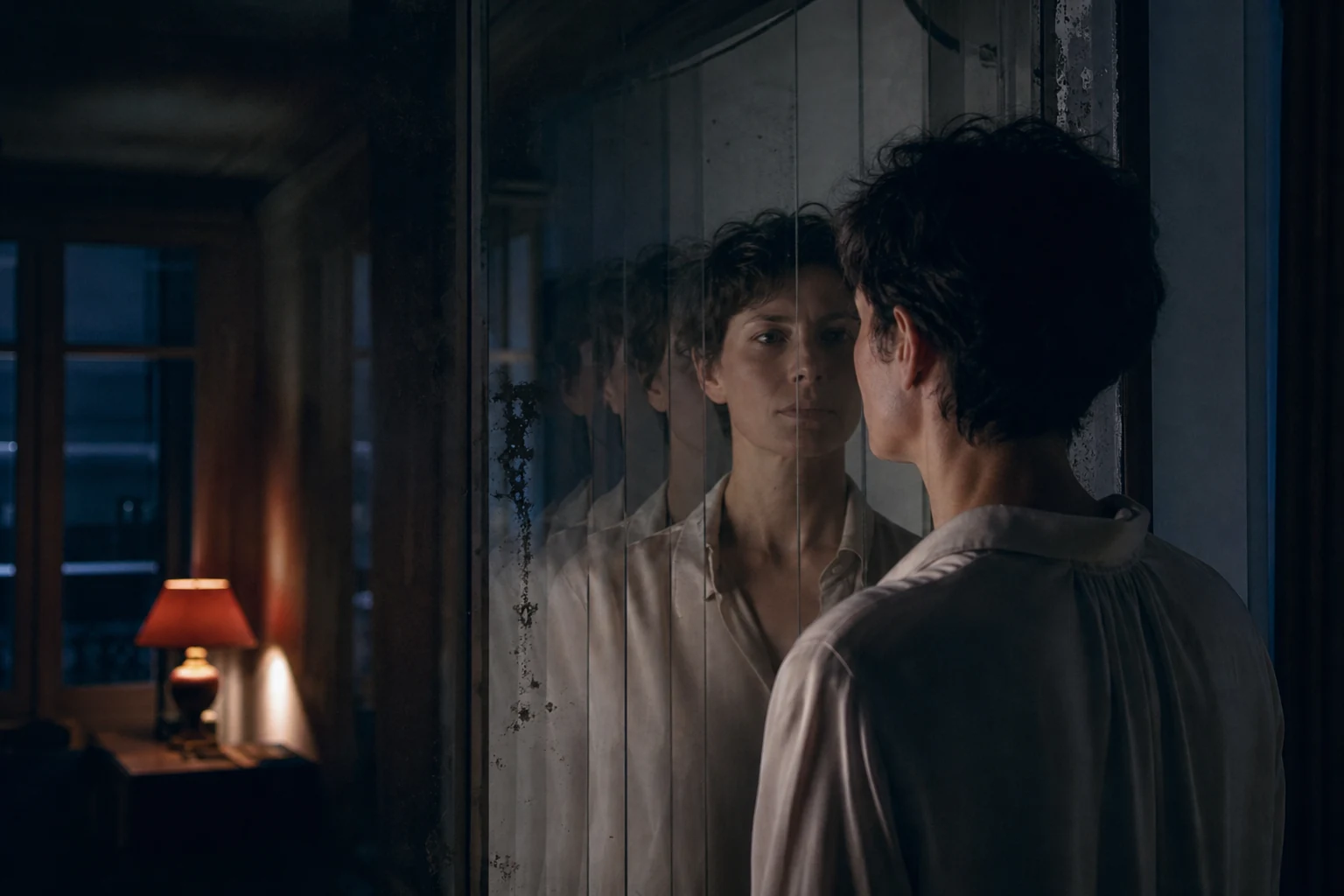
Self-witnessing without empty affirmation
Start with the boundary you kept, the room you returned to, the bag you finally packed, the ordinary practice that carried you, or the choice nobody else saw you make.
Start the song
Replace each blank with real names, moments, and details—the more specific you are, the less generic the song. Everything stays editable in the studio before anything is generated.
What you are making
Creating a personalized song for yourself can mark survival, a decision, recovery, a private birthday, a beginning, a boundary, an unfinished goal, or a season that deserves witness before it disappears into the next one. The recipient and creator are the same person, so the task changes: there is no need to impress someone with personalization. The song must say something you can recognize as true when nobody is watching.
Creatune asks which chapter deserves to be heard back, what the inner critic says, which facts complicate that story, what you did repeatedly, what remains unresolved, and what the future chorus may promise without pretending certainty. The agent can shape witness, reclaiming, celebration, or motivation. It does not diagnose, declare healing complete, turn suffering into destiny, or force a triumphant ending the person does not claim. You control names, private topics, first-person language, and whether the track ever leaves your headphones.
Choose the first-person lens
The same life chapter produces different lyrics depending on what the song is being asked to do.
Witnessing says: this happened, it had weight, and I do not need to minimize it. Reclaiming revisits a story shaped by shame, failure, exclusion, or another person's version and restores accurate agency without rewriting every consequence as a victory. Celebration names an achievement or private milestone while keeping collaborators and luck visible. Motivation identifies the next repeatable action rather than shouting that anything is possible. Choose one primary lens. A song can move between grief and pride, but it should not ask four emotional jobs to share the same chorus.
Write a factual chapter sentence before any lyric: ‘I left a role after six months of trying to repair it, began sleeping through the night again, and now take a Tuesday class I once thought I was too old to begin.’ That sentence gives the song honest scale. It prevents ‘I conquered everything’ and leaves room for mixed emotion. If the chapter involves trauma, recovery, health, grief, abuse, addiction, legal issues, or another sensitive experience, use only the language you already choose for yourself. A song is not a diagnosis, disclosure strategy, or substitute for professional support.

Name what occurred and what it cost without rushing toward gratitude, lesson, forgiveness, or a public-ready ending.
Replace an inherited or punitive story with accurate agency, responsibility, context, and a version you choose to carry.
Mark a real milestone with specific evidence while keeping collaboration, uncertainty, and the next chapter visible.
Turn a large hope into one repeatable practice, bounded promise, and musical energy that supports action rather than fantasy.
The inner-critic evidence board
Write the inner-critic sentence exactly as it appears: ‘I always quit,’ ‘I wasted the year,’ ‘I am behind,’ or ‘none of it counts.’ Then build a counter-board with date, place, object, action, and consequence. The train taken after wanting to cancel, the invoice finally sent, the medication collected, the apology made without demanding forgiveness, the first meal cooked in a new apartment, or the notebook opened for ten quiet minutes is not inspirational decoration. It is evidence. The lyric can let a small object contradict a totalizing claim without pretending one action erased the struggle.
Avoid affirmations your body rejects. ‘I am fearless’ may be less useful than ‘my hands shook and still held the key.’ ‘I love myself completely’ may be less truthful than ‘I stopped speaking to myself in that borrowed voice.’ Use present tense carefully. Recovery, confidence, grief, and identity can change from day to day. A durable chorus leaves room: ‘I can return,’ ‘I know the next small door,’ ‘I kept one promise today,’ or ‘this part belongs to me.’ Believability is not a lack of ambition; it is what lets the line remain available when the mood changes.
The global sentence your inner critic repeats, recorded without granting it authority over the song.
A dated action, boundary, return, practice, repair, request, or choice that complicates the absolute claim.
The key, shoes, receipt, notebook, streetlight, room, voice note, or physical detail that makes the action singable.
A first-person sentence that remains honest on difficult days and does not promise permanent certainty.
Private authorship and musical distance
First person offers direct ownership: ‘I left,’ ‘I stayed,’ ‘I learned,’ ‘I am still deciding.’ Second person can address a younger self, a body, a room, or the person who will hear the track later, but it should not become a scolding letter. Third person creates useful distance when the material feels too close, provided the song returns agency rather than treating the self as a fictional object. You can remove your name, use a private nickname, or keep the whole track anonymous. Other people's names and private acts require the same care they would on a gift page, even when you are the only intended listener.
Intimate alt-pop can hold room texture, close vocal, low electronic pulse, and precise objects. Spoken soul suits a story whose power lives in cadence and factual sentences. A cinematic build can mark a milestone when the crescendo is earned by action rather than vague destiny. Minimal acoustic music gives uncertainty and grief room to breathe. Translate any artist reference into tempo, instruments, vocal grain, density, and emotional distance. The sound should help you inhabit the lyric—not make your life resemble someone else's brand.
Direct authorship, specific verbs, and responsibility or pride stated without borrowing a public motivational voice.
Compassionate distance and verified memory, with no claim that the present self can fix or judge the past one.
Close vocal, textured pulse, room sound, and a chorus that expands without becoming a slogan.
Factual cadence, warm keys, patient groove, and enough space for a sentence to change meaning through repetition.

Give the track a private job
A song for yourself becomes more useful when attached to a bounded ritual. Listen on the route you completed during the chapter, before writing a journal entry, after a therapy or support appointment when that is already part of your life, at the end of a private birthday, on the first morning in a new home, or before one repeatable action. Decide whether the track should regulate, witness, energize, or close the day. Do not use it to force yourself into an emotion or punish yourself for not believing every line immediately.
Keep the file private by default. Use a neutral project name, headphones, a protected folder, and no shared device notifications when the lyrics contain sensitive material. If you later share it, review every reference to other people and decide whether the public version still serves you. Store the brief and lyric beside the audio so future-you can see what was known at the time. A later revision does not invalidate the first song. It proves that self-witnessing can remain accurate without freezing a person inside one chapter.
Useful for a chapter built from movement, repeated streets, and a chorus meant to accompany rather than command.
Listen once, write what feels true or false, and revise the brief instead of trying to manufacture agreement.
Mark a decision, anniversary, completion, or beginning without requiring an audience to make it count.
Keep the dated version, allow the story to change, and create another song only when the emotional job has genuinely changed.
Story examples
These are transparent story examples, not fake audio demos. They show how real details become a creative direction and a singable lyrical moment.
Story Example
Morgan creates a private song after leaving a role that had become unsustainable. The evidence is a brass key to a small rented studio, a Tuesday ceramics class attended for twelve weeks, and sleeping through the night more often. Do not name the employer, diagnosis, former colleagues, or call leaving a perfect decision. The chorus should say that a life can become audible again through small returns.
Direction: Intimate alt-pop with room-tone percussion, muted synth, close and imperfect vocal, and a chorus that widens by one harmony. Use the brass key and clay under fingernails; keep mixed emotion visible and avoid triumph language.
Story Example
Avery wants to witness a year of rebuilding without naming the private event that began it. They kept a morning notebook, asked two friends for practical help, repaired one relationship through an apology, and still have difficult weeks. The song must not use healed, stronger for it, everything happens for a reason, or rescue language.
Direction: Spoken soul with low electric piano, round bass, brushed pulse, and a refrain sung only after the second verse. Let the notebook page carry continuity, name asking for help as action, and make the chorus compatible with ongoing difficulty.
Story Example
Leila marks finishing her first five-mile walk after a long period of inactivity. She trained at dawn beside a canal, counted red bridges, and learned to stop before pain became punishment. Nobody attended the final walk. The song should celebrate consistency, not weight, appearance, health diagnosis, or extreme transformation.
Direction: Cinematic acoustic with fingerpicked guitar, low strings, footsteps as subtle texture, and a controlled final lift. Count the red bridges, make stopping part of the discipline, and let the achievement matter without an audience.
Keep exploring
Creatune Personalized Songs
Support at the pace they choose
An address becoming a life
Questions before you create
A song for yourself can witness a difficult chapter, mark a private milestone, reclaim a story, celebrate an achievement, or support one repeatable next action. Its value is not vanity or public performance. It gives factual memories, choices, and a believable first-person message a form you can revisit later.
Include the chapter, the emotional job, one difficult choice, two small pieces of factual evidence, a sensory object or place, what remains unresolved, the sentence future-you should hear, names or topics to exclude, whether the song stays private, and a musical direction that matches your real emotional distance.
Write the harsh claim first, then answer it with dated actions and sensory facts. Replace ‘I am fearless’ with what you did while afraid, and replace permanent promises with repeatable choices. A chorus such as ‘I can return’ is often more durable than a total claim your body does not believe.
Yes, using the language and boundaries you choose for yourself. The song should not diagnose, promise healing, frame suffering as necessary, expose another person's private story, or replace professional support. Keep mixed emotion and unfinished work visible, and use a private project title and listening setup when the material is sensitive.
No. Your name is optional, and the track can remain completely private. Use a neutral project title, headphones, and protected storage. If you later share it, review every reference to another person and decide whether a separate public version is needed. You keep control of the song's audience and future revisions.
Your turn
Bring one hard choice, two small pieces of evidence, and a sentence you can believe. The agent will help you write witness instead of a slogan.
Create a song for yourself