Verified memory
The recipient's account, a direct witness, letter, photograph, dated object, or fact checked by more than one person.
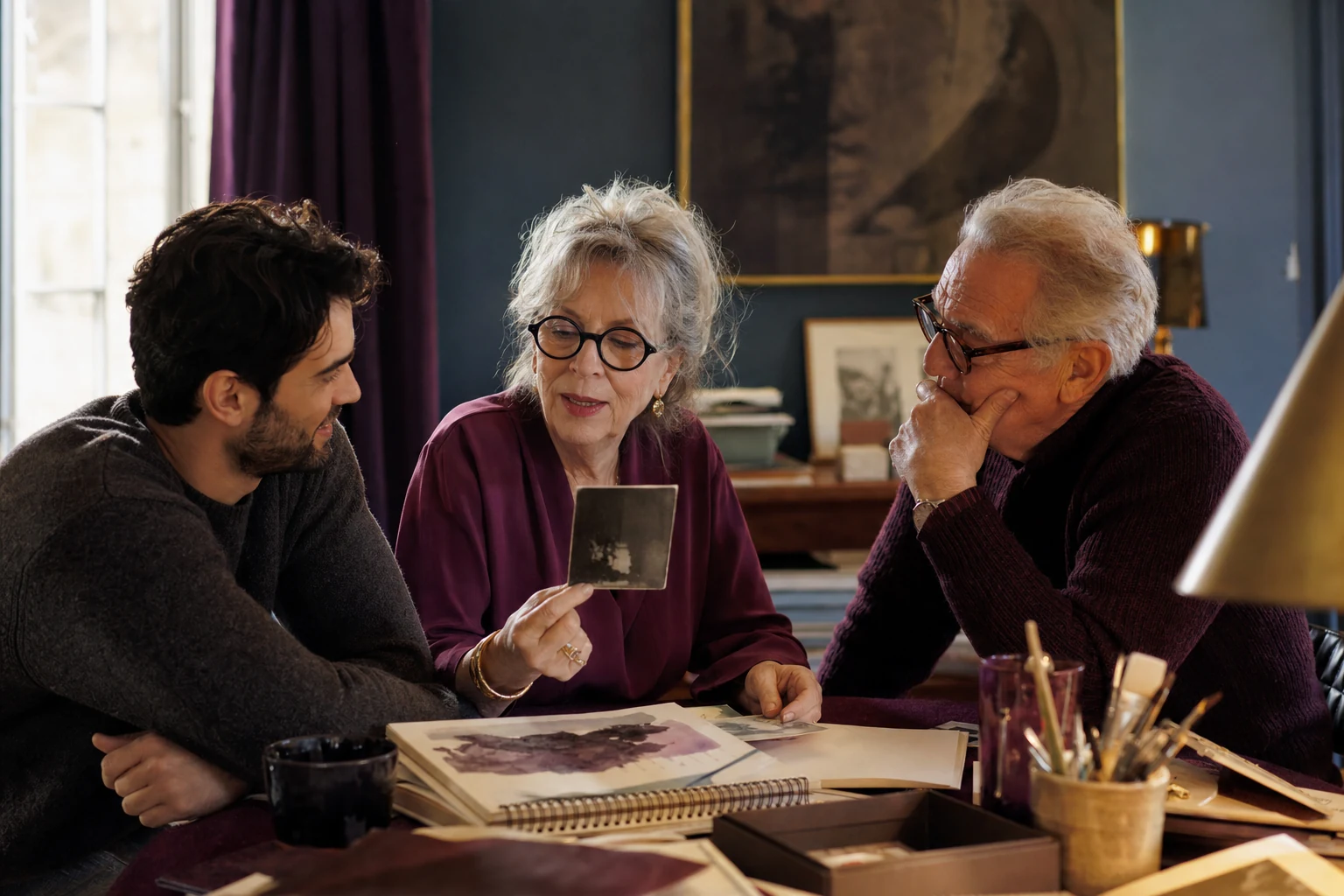
A living oral history the whole room can hear
Distill origin, influence, signature language, and present-day joy into a song the youngest listener can understand and the recipient can still recognize as their own voice.
Start the song
Replace each blank with real names, moments, and details—the more specific you are, the less generic the song. Everything stays editable in the studio before anything is generated.
What you are making
Seventy can gather people who know different versions of the same life. One remembers the origin home, another the workbench, another the family table, another the community room, and the youngest may know only a phrase, recipe, game, or way of being welcomed. A personalized 70th birthday song can carry those threads across generations, but it must distinguish verified memory, family lore, and creative interpretation. Emotional neatness is not permission to invent facts.
Creatune's oral-history distiller selects an origin scene, two observable ways the recipient influenced others, a signature phrase or habit, and something that brings joy now. The agent checks consent for difficult history, names and pronunciations, contributor ownership, and topics that belong outside the room. It also treats tempo, lyric density, speaker placement, printed lyrics, and hearing needs as part of the creative brief. The result honors continuity while keeping the recipient present, active, funny, and unfinished.
Origin → influence → present joy
One verified scene can carry more history than a page of ceremonial adjectives.
Start with the source. Is the origin story remembered by the recipient, documented in a letter, witnessed by a sibling, or repeated as family lore? Label it honestly in the brief. A place name, work sound, journey, school object, market, kitchen, radio, garden, or repeated phrase can open the song. Avoid inventing dialogue or claiming emotions the person never described. If dates conflict, write around the disputed number or ask the recipient rather than choosing the version with more drama.
Move from origin into two influences shown through action. Perhaps the recipient taught three generations to mend rather than discard, kept a language alive through songs, made a club welcoming, documented the neighborhood, or turned Sunday lunch into a place where people repaired arguments. Then return to the present: the crossword completed in ink, the tomatoes argued over, the jazz record still played loud, the new route walked, or the joke delivered before anyone becomes too reverent.

The recipient's account, a direct witness, letter, photograph, dated object, or fact checked by more than one person.
A loved repeated story labeled as such, with uncertain dates or dialogue kept out of the lyric.
A method, phrase, ritual, welcome, repair, skill, or value other people now practice because they experienced it.
A current object, person, route, hobby, argument, meal, sound, or plan that keeps the song in the living present.
Legacy, humor, present joy
Legacy can be a skill, phrase, room, recipe, garden, standard, piece of music, or way of treating strangers. Use the word sparingly; often the evidence is more moving. Humor should come from the recipient's active voice, not from treating age as incompetence. The phrase they still use, the rule they knowingly break, the game they insist on winning, or the opinion everyone can predict can protect the song from becoming solemn and remote.
Present joy deserves its own verse or bridge. Ask what happened this month, what the recipient is learning, who they call, where they walk, what they are making, and what still surprises them. Do not make grandchildren mandatory or speak only through descendants. A person without children, a private person, a working person, a traveler, an artist, a friend, or a community elder may have a very different circle. The youngest listener needs a clear human action, not a statue.
A practice or value that other people can demonstrate, not a broad claim that the recipient changed everything.
A phrase, preference, competition, ritual, or contradiction the recipient would enjoy hearing in the room.
A current pleasure or project that prevents the narrative from ending in an earlier decade.
One chorus image simple enough to remember without simplifying the recipient's life.
Voice, pace, and historical texture
Vintage jazz can use brushed drums, upright bass, piano, muted brass color, and conversational phrasing without imitating a known singer. Orchestral folk suits migration, landscape, craft, family, and community stories when acoustic instruments support rather than sentimentalize the history. Gentle soul offers warmth, groove, and a multigenerational chorus. The recipient's current taste matters more than the music associated with their youth.
Names, places, and signature phrases need room. Keep verses shorter, avoid rapid lists, place important words on stable notes, and do not bury them under harmony. Ask how the recipient hears music comfortably and whether spoken introductions, large printed lyrics, or a quieter private replay would help. Hearing aids can react differently to room volume, but do not make medical assumptions. Test respectfully and give the recipient control over volume and seating.
Brushed rhythm, acoustic bass, piano and selective brass color with clear conversational phrasing.
Acoustic strings, woodwind or light ensemble texture, landscape and craft imagery, and controlled emotional scale.
Warm groove, simple chorus response, spacious vocal arrangement, and a present-tense emotional center.
Pronunciation, tempo, lyric density, speaker distance, comfortable volume, printed text, and a private replay option.
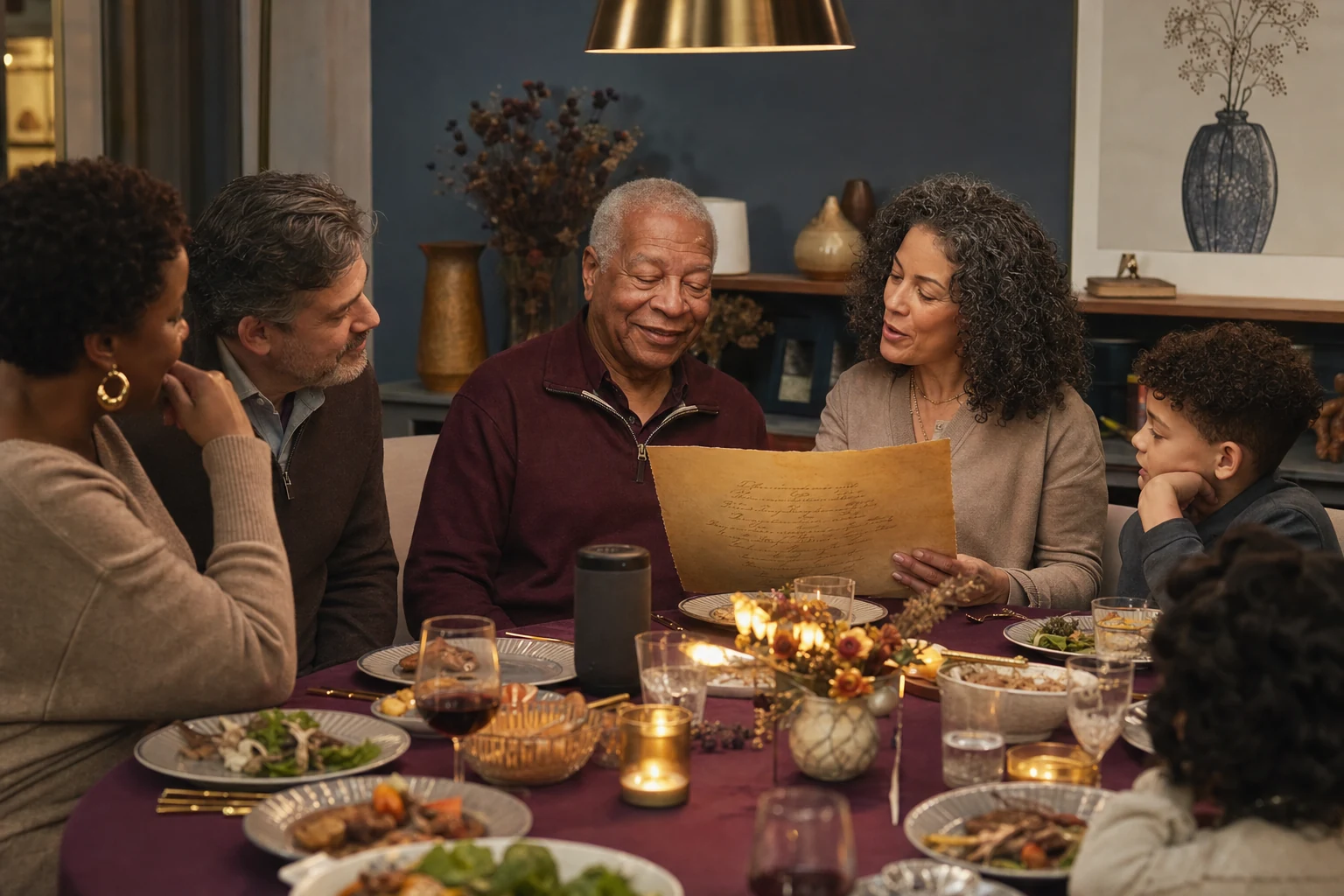
The multigenerational listening table
Collect memories with source labels and ask the recipient directly when the surprise does not require total secrecy. A birthday song can still surprise through arrangement and delivery even when facts are verified. Send the final lyric to a trusted editor who understands family boundaries. Avoid ambushing the room with loss, conflict, migration trauma, illness, faith, politics, identity, estrangement, or financial history. A meaningful fact is not automatically public material.
At the event, seat the recipient where the vocal is clear, provide a printed lyric if welcome, and keep the track at a comfortable length. One person should control playback from a downloaded file with a second-device backup. Invite younger relatives to contribute one drawing, question, rhythm, or line outside the lyric rather than forcing them into a performance. After the party, give the recipient the song, sources, and photographs so they can correct the archive and choose what future generations may share.
Recipient memory, direct witness, document, or family lore remains visible in the brief until facts are approved.
Difficult history requires consent; emotional importance never automatically grants permission to broadcast it.
Clear seat, moderate length, tested volume, large printed lyric, one cue owner, and two offline copies.
Audio, lyric, source notes, and photographs go back to the recipient with control over corrections and sharing.
Story examples
These are transparent story examples, not fake audio demos. They show how real details become a creative direction and a singable lyrical moment.
Story Example
Eleanor turns seventy with three generations present. Her siblings verify that a blue tea tin traveled between two countries; her granddaughter knows it now holds sewing buttons. The family wants to connect migration, teaching children to mend, and Eleanor's current community textile group. Keep political history, finances, health, and invented dialogue out.
Direction: Orchestral folk with acoustic guitar, cello, light woodwind, brushed percussion, and spacious vocal phrasing. Let the blue tin move through each era and return in the present textile room, with no claim about feelings not recorded.
Story Example
Samuel turns seventy at a garden lunch. He is known for asking the tomatoes before predicting weather, welcoming new neighbors with cuttings, and still arguing over jazz records. His children want present joy and humor rather than a grand tribute. Exclude bereavement, medical history, and a private family estrangement.
Direction: Gentle soul with warm bass, electric piano, soft drums, and an easy response chorus. Make the tomato phrase the active humorous hook, show neighbor cuttings as influence, and end on the next record he plans to play.
Story Example
Lina turns seventy and ran a neighborhood café for decades before beginning a community choir. Direct witnesses remember the bell above the door and her habit of learning every newcomer's preferred name. The choir wants a clear, upbeat room song. Do not mention business closure details, immigration status, health, or call her everyone's mother.
Direction: Vintage-jazz direction with brushed kit, upright bass, piano, and muted brass accents. Use the doorbell as the opening cue, preferred names as observable welcome, and the current choir rehearsal as present joy.
Keep exploring
A birthday song that knows the person
Contribution around them, possibility ahead
A family archive you can hear
Questions before you create
Include the narrator and sources, one verified origin scene, two observable ways the recipient influenced others, a signature phrase or habit, and something that brings joy now. Add fact uncertainty, private-topic exclusions, name pronunciation, event audience, hearing or pacing preferences, and a musical direction the recipient currently enjoys.
Label each memory as the recipient's account, a direct witness, a document, or family lore. Ask the recipient or two independent witnesses when dates or details matter. If versions conflict, remove the disputed detail or write around it. Do not invent dialogue, hardship, romance, or emotions to make history more dramatic.
Yes, but contribution should fit the child's real relationship. They can offer a question, drawing, rhythm, phrase, or witnessed present-day scene. Do not use them to manufacture a family-tree narrative or place words in their mouth. Adult editors remain responsible for privacy, factual accuracy, and the recipient's dignity.
Use moderate tempo, shorter verses, stable placement for names, a vocal-forward mix, and limited harmony under important words. Test speaker distance and volume, seat the recipient clearly, provide large printed lyrics if welcome, keep two downloaded copies, and offer a quiet private replay after the party.
No. A seventieth birthday song stays in the living present and does not assume children, grandchildren, retirement, frailty, or remembrance after death. A grandparents song centers a relationship, while a memorial song has different consent and grief needs. Use the page matching the real emotional job, not merely the recipient's age.
Your turn
Bring its source, two ways the person shaped others, and what delights them now. The agent will keep the history accurate and the birthday alive.
Create a 70th birthday song